🔥 Bestseller
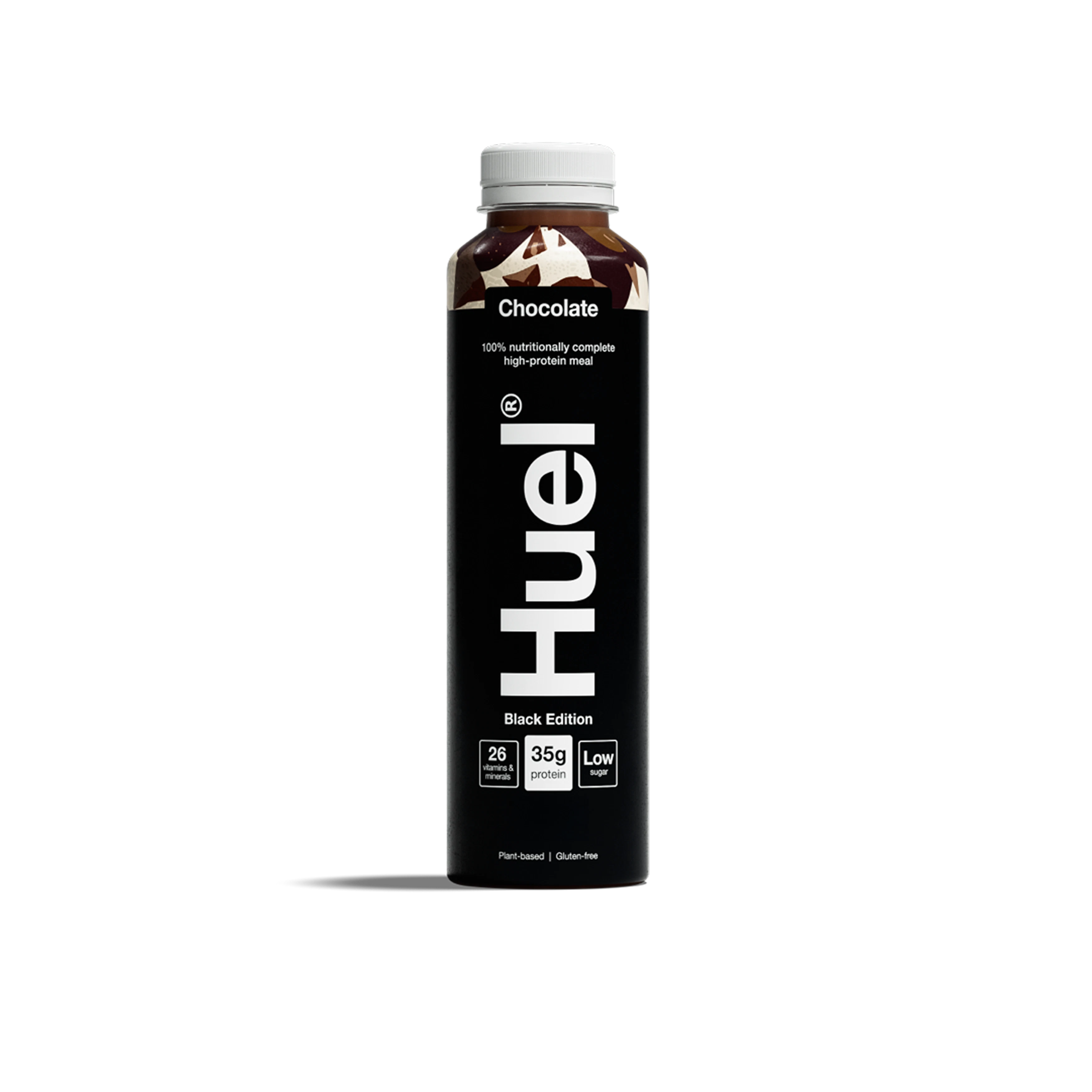

Black Edition Ready-to-drink
High-protein meal shakes
35g protein
400 kcal per bottle

Eating for gut health isn’t just about avoiding bloating or discomfort. It’s about supporting one of the most influential systems in your body. Your gut plays a role in digestion, immunity, energy levels, mood, and even skin health, which is why what you eat, day after day, really matters.
With so much conflicting advice online, it’s easy to feel overwhelmed by the idea of a “healthy gut diet”. This guide cuts through the noise. You’ll learn what actually supports gut health, which foods are worth prioritising, how to build meals that work for real life, and a handful of simple, gut-friendly recipes to get you started.
Your digestive tract is home to trillions of microorganisms: bacteria, fungi, and other microbes, collectively known as the gut microbiome. Far from being passive, this community helps break down food, absorb nutrients, regulate inflammation, support immune defences, and communicate with the brain.
In fact, much of the body’s serotonin, a neurotransmitter linked to mood and wellbeing, is produced in the gut. That’s one reason gut health is increasingly associated with not just digestion, but mental health too.
One of the biggest influences on your microbiome is diet. The foods you eat can help beneficial bacteria flourish or allow less helpful strains to dominate. Over time, those daily choices shape how your gut functions and how you feel.
There’s no single “perfect” gut health meal. Instead, supportive meals tend to share a few key qualities.
They’re rich in fibre, which feeds gut bacteria and supports regular digestion. They often include prebiotic foods, which act as fuel for beneficial microbes, and fermented foods, which naturally contain live bacteria. Many also contain polyphenols, plant compounds that help increase microbial diversity.
Most importantly, they’re varied. A gut-healthy diet isn’t about restriction or rigid rules — it’s about regularly eating a wide range of plant foods and giving your microbiome something new to work with.
Prebiotics are fibres and compounds that your body can’t digest, but your gut bacteria can. When microbes ferment these fibres, they produce beneficial compounds (short-chain fatty acids) that help support gut lining health and overall digestion.
You’ll find prebiotics in foods like garlic, onions, leeks, asparagus, Jerusalem artichokes, oats, barley, green bananas, apples, and chicory root. Including small amounts regularly is often more comfortable than large, occasional servings.
Fermented foods have been part of traditional diets for centuries. They naturally contain live microorganisms and fermentation by-products that help support a diverse gut ecosystem.
Common options include live yoghurt (dairy or plant-based), kefir, sauerkraut, kimchi, miso, tempeh, and vegetables fermented in brine rather than vinegar. Adding a spoonful of fermented foods to meals a few times a week can be a simple way to support gut health.
Fibre is one of the most important nutrients for gut health, yet many people don’t get enough. Most adults benefit from around 30g of fibre per day.
Different fibres play different roles. Soluble fibre, found in foods like oats, apples, legumes, and carrots, supports blood sugar control and healthy cholesterol levels. Insoluble fibre, found in whole grains, nuts, seeds, and many vegetables, helps keep digestion moving. Resistant starch, found in foods like cooled potatoes, lentils, and green bananas, reaches the colon intact and feeds gut bacteria directly.
The more varied your fibre sources, the more resilient your microbiome tends to be.
Polyphenols are plant compounds found in colourful foods such as berries, tea, dark chocolate, olive oil, red onions, apples, and plums. Many aren’t absorbed until they reach the colon, where gut bacteria break them down into beneficial by-products. Including these foods regularly helps support microbial diversity and overall gut balance.

You don’t need a total diet overhaul to support your gut. Most gut health meals follow a simple structure:
Over the course of a week, aim to eat a wide range of plant foods. Diversity matters more than hitting specific ‘superfoods’.
A gut-friendly day might look like overnight oats with yoghurt and fruit for breakfast, a grain and vegetable bowl with fermented vegetables at lunch, fruit and nuts for a snack, and a fibre-rich dinner built around whole grains, vegetables, and protein.
Gut health isn’t one-size-fits-all. If you eat plant-based, focus on legumes, whole grains, tofu, tempeh, nuts, and seeds for both protein and fibre. If you’re gluten-free, quinoa, buckwheat, brown rice, and gluten-free oats can still support gut health.
For those with sensitive digestion or IBS, a low FODMAP approach may be helpful. This focuses on tolerated vegetables, low FODMAP fruits like berries and kiwi, lactose-free dairy, and gluten-free grains, while still prioritising fibre where possible.
If you’re increasing fibre, do it gradually and drink enough fluids. Sudden increases are a common cause of bloating and discomfort.
Rolled oats mixed with chia seeds, kefir or live yoghurt, banana, and berries make an easy breakfast that combines prebiotic fibre, probiotics, and polyphenols. It’s quick to prepare and easy to adapt for dairy-free diets.
Cooked quinoa, roasted vegetables, chickpeas or lentils, and a spoonful of raw sauerkraut create a fibre-rich, plant-diverse lunch. A squeeze of lemon and olive oil ties it together.
Miso adds fermented flavour to a simple dinner built around protein, steamed greens, and whole-grain carbohydrates. Brown rice that’s cooled and reheated also provides resistant starch.
Apple slices with almond butter and chia seeds, live yoghurt with fruit, or a small portion of kimchi alongside meals all add gut-supportive elements without much effort.
Despite the popularity of gut cleanses and detoxes, there’s little evidence that extreme approaches improve gut health. In fact, restrictive cleanses can disrupt digestion and lead to nutrient shortfalls.
A healthy gut is best supported through regular, balanced eating. Signs that your gut is generally well supported include comfortable digestion, regular bowel movements, and a diet that includes a variety of plant foods.
If your digestion feels sensitive, gentler choices like well-cooked vegetables, vegetable or bone broth, stewed fruit, ginger or peppermint tea, and plain live yoghurt can help support comfort while still nourishing your gut.
Ideally, most meals should include at least one gut-supportive element, such as fibre-rich plants or fermented foods.
Many people can support their gut through food alone. Supplements may be appropriate in some cases, but it’s best to seek professional advice.
Live yoghurt or kefir, fruit, nuts, seeds, whole grains, and fermented vegetables are all accessible, time-saving options.
Supporting your gut isn’t about chasing perfection, or by taking a pill to make up for a poor diet. It’s about making small, consistent choices that add up over time. By prioritising fibre, plant diversity, and fermented foods, you can support your microbiome and overall wellbeing in a way that’s sustainable, flexible, and enjoyable.