🔥 Bestseller
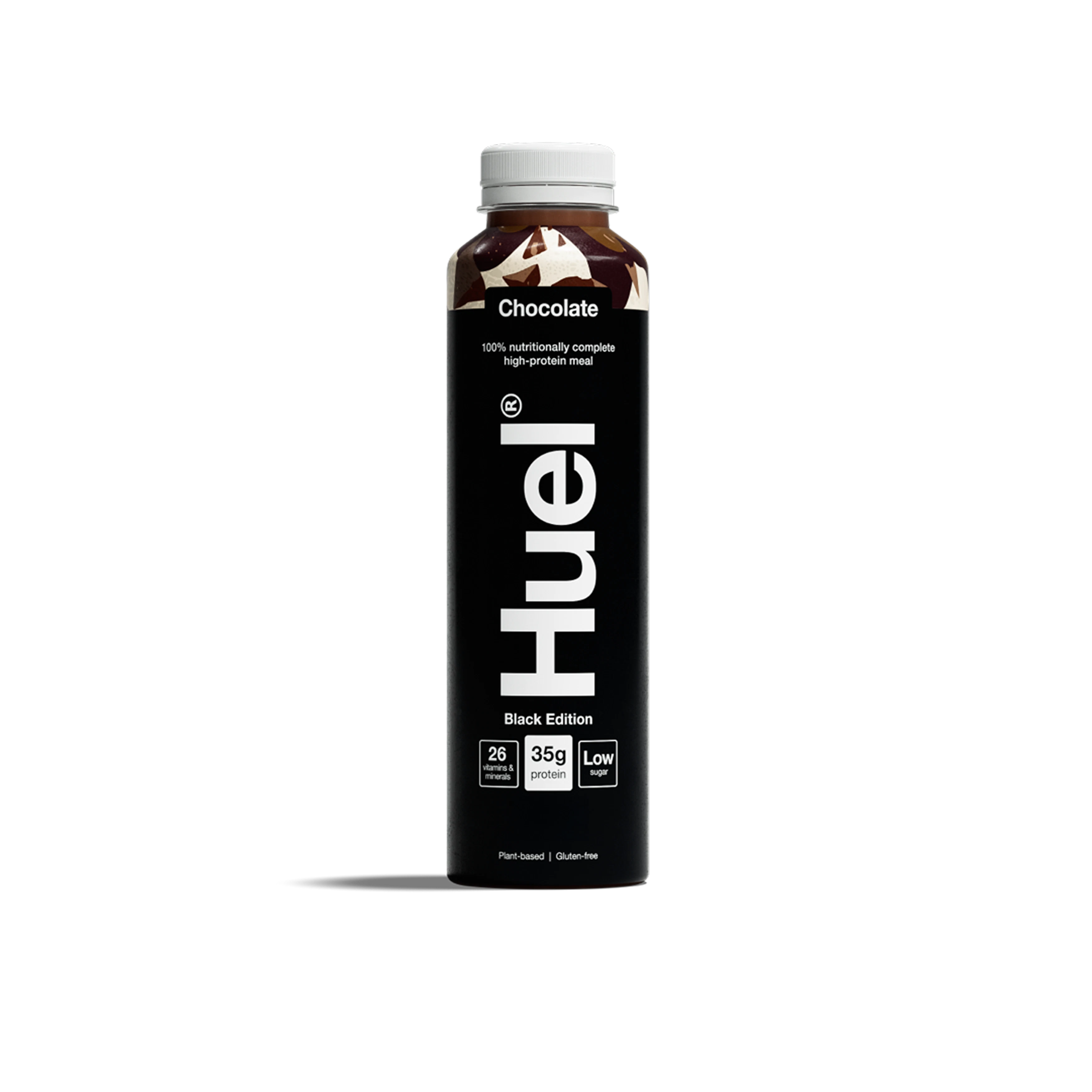

Black Edition Ready-to-drink
High-protein meal shakes
35g protein
400 kcal per bottle

It’s the crisp crunch of iceberg lettuce. The bitter bite of rocket. The vigour of a vinaigrette.
Salads make for a delicious meal, with a huge variety of textures and tastes at the end of each fork. But besides the mouthfeel, salads can also play a big role in the health of the trillions of cells that make up your body.
Cellular or cell foods are ingredients that pack a punch when it comes to giving your cells the vitamins and minerals they need to thrive. And salads are potentially a great way of getting them.
We sat down with Madeline Peck, RDN, CDN, and Senior Nutritionist at Huel, to find out more about salads and cellular foods.
In this article, you’ll learn about:
Before we explore the effects of salad on our cells, it’s useful to have some working definitions of what we’re talking about.
The idea of what a salad is varies massively between individuals, cultures, and cuisines.
However, for this article, we’re defining a salad as a meal that’s mainly made of raw vegetables, with at least one leafy green (lettuce, spinach, cabbage, etc.) as a core component. A salad will also be dressed, typically with an oil and vinegar-based sauce.
While raw vegetables are the primary ingredient, salads can also contain cooked veg, animal protein, eggs, pulses, seeds, nuts, cheese, fruit, and more.
“Cellular nutrition refers to the concept that our diet supplies the cells in our body with the essential nutrients they require to function optimally,” says Madeline.
Any food is therefore ‘cellular food’. However, some are particularly rich in micronutrients and macronutrients that help our cells stay alive, reproduce, and perform their vital functions. People sometimes talk about these ingredients as ‘cell foods’ because they’re seen as being very beneficial to your health at the cellular level.
Keep learning: A beginner’s guide to nutrition
The kinds of food you’ll often find in salads can potentially be very good for your cells. Here are some of the key reasons why.
There are certain nutrients that you often find in salads that are especially helpful for cell health, growth, and repair. These include:
Salad ingredients: Leafy greens, peppers, tomatoes, and fruit.
Salad ingredients: Spinach, cheese, and fruit.
Typical salad ingredients: Leafy greens, broccoli, whole grains
Typical salad ingredients: Leafy greens, meats, soy.
Typical salad ingredients: lentils, raisins, and nuts.
Typical salad ingredients: Carrots, spinach, and red peppers.
Typical salad ingredients: Cashews, tofu, avocado
Typical salad ingredients: Boiled eggs, fish, and nuts.
Typical salad ingredients: Cheese, pumpkin seeds, and lentils.
Many of these nutrients are available in high proportions in salads, although it obviously depends on which ingredients you use.
Your cells are like tiny chemical labs, combining ‘ingredients’ to generate energy, grow, and do many other amazing things. And like chemical reactions, they also produce by-products, some of which are known as free radicals.
Free radicals can be damaging to your body, but they can be ‘cleared up’ by chemicals called antioxidants. Antioxidants come from your food and, you guessed it, salad ingredients are often rich in them.
“The vegetables and other plant foods you may find in salads don’t just provide vitamins, minerals, and fibre, they also provide phytonutrients,” Madeline says. “Phytonutrients are the compounds that give fruits and vegetables their colour, and they also have protective properties that support our health.” Phytonutrients can be powerful antioxidants, and research tells us these phytonutrients may have anti-cancer properties.
“If you are seeking to incorporate more phytonutrient-rich foods into your diet, include a variety of colourful fruits and vegetables in your meals and snacks,” Madeline adds. “Salads are one way to do this”.

Research shows that people who eat salads are more likely to have a wide range of vitamins and minerals in their diets that support cellular health. In one study in the United States, people were asked to list all the foods they’d eaten in the previous 24 hours. The nutritional profile of their diets was analysed based on this information.
The study found that 23% of people said they’d consumed salad. Based on what they’d eaten, the researchers concluded that—compared to other people—salad eaters had higher intake of:
This suggests that people who eat salads are potentially getting a diet that’s richer in cellular food than people who don’t.
When you cook some kinds of vegetables, the vitamins they contain can degrade or, if you’re boiling them in water, leach out. This means that they become less nutrient-dense when cooked than if you ate them raw.
This is especially true for vitamins A, B, and potassium in things like peppers, spinach, tomatoes, and lettuce. However, if these ingredients are served raw in a salad, then you’ll get more of the vitamins and minerals they contain.
However, bioavailability really varies depending on the kinds of ingredients. For example, the beta-carotene in carrots is more available when cooked than when consumed raw.
Related: How to Eat Healthy Without Cooking
If you’re looking to eat a diet that’s high in cell foods, then a salad can certainly be a good option.
However, there’s some nuance here, and it all depends on what you put in the salad bowl.
Take a Caesar salad, for example. The main ingredient is iceberg lettuce in a mayonnaise and garlic sauce. It’s tasty, but this salad isn’t going to contain tons of cellular foods. On the other hand, something that contains lots more ingredients (like a cobb salad or a salade niçoise, for example) will be much richer in vitamins, minerals, and macros.
“Variety is essential to our diets because it helps to ensure we are getting a good balance of macronutrients, vitamins, minerals, and phytonutrients,” Madeline explains. “Salads are an efficient way to get a wide variety of tasty, nutritious foods like vegetables, legumes, seeds, nuts, healthy fats, lean protein, and even fruit.”
But salads will only give you that variety if you put a wide range of ingredients in them.
While salads can potentially be a good source of cellular food, they’re not the only way of consuming these vitamin- and mineral-rich ingredients.
“Supporting your health with proper nutrition is less about whether or not you eat one kind of food, and more about your dietary patterns. If you don’t like eating salads, there is no shortage of other ways to eat vegetables and other plant foods you tend to find in a salad,” says Madeline “Whether you want to put your veggies in a salad spinner, roast, blanch, or mix into a stew, is up to you! What's important is eating a variety of foods and meeting your overall nutrition needs.”
So, if salad isn’t your thing, or you just don’t have the time to chop up loads of raw veg, no sweat. There are plenty of other ways of getting nutrient-rich ingredients into your diet.
Many people view salads as something good for them. Indeed, one survey asked people why they eat salads, and 24% said it was because they’re the “healthy option.”
While salads definitely can be healthy, it doesn’t automatically mean they are.
“One thing to be mindful of is salad dressings from restaurants or pre-made at the store sometimes contain lots of sodium (salt),” Madeline says. Many dressings contain a fair amount of sugar, too.
This corresponds with a study in the UK that looked at salad ingredients available in shops and fast food restaurants. Many supposedly healthy salads contained over half an adult’s daily recommended sodium intake.
What’s the solution? Madeline suggests looking at the nutrition facts of pre-made dressings and considering the sodium amount—either focusing on low-sodium foods the rest of the day to make up for it, or opting for a lower-sodium dressing option. “You can also easily make your dressing at home,” she says. “Which allows you to contain the amount of salt used in the recipe.”
Now, salt in processed foods isn’t inherently bad for your cellular health. In fact, our bodies use salt to help balance fluid inside and outside cells. Sodium is also used to help nerve cells transmit signals. But, too much sodium can cause inflammation at the cellular level, not to mention other health issues like high blood pressure.
Salads are undoubtedly a good source of cell foods, and most people could definitely benefit from eating more of them.
However, salads are not the only way of getting a nutritionally complete meal, and other food sources can also offer everything you need. All our meals are nutritionally complete, meaning they contain a complete balance of macronutrients, plus 26 essential vitamins and minerals, which your body needs to thrive.
You simply mix our 100% vegan powders or hot meals with water, and in a matter of seconds, you have a complete meal!
Words by Len Williams