✨ New flavours
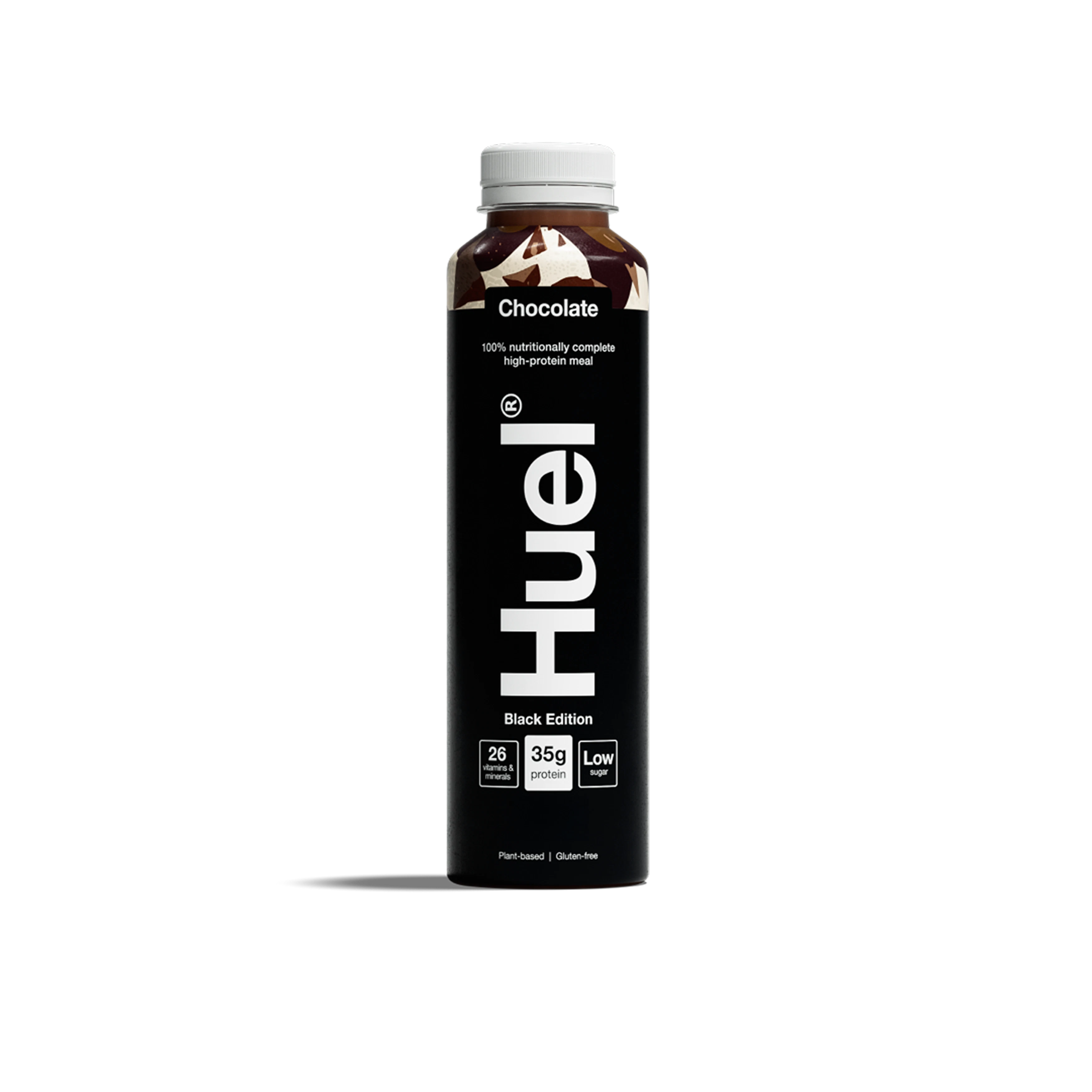

Black Edition Ready-to-drink
High-protein meal shakes
35g protein
400 kcal per bottle

Intermittent fasting (IF) is an eating pattern of cycling between periods of eating and voluntary abstinence from food. It’s much more about when you eat rather than what you eat.
The short version
Intermittent fasting is an eating pattern that alternates between periods of eating and periods of fasting. The focus isn't on what you eat — it's on when.
The main approaches:
Types of Intermittent fasting:
One of the main theories behind IF focuses on circadian biology. The human body has an internal clock that operates on an approximate 24-hour cycle (circadian rhythm) and influences a number of processes, such as sleep. Read more on circadian rhythms here.
Feeding and fasting can affect the body’s circadian clock. The thought is IF is more aligned with this clock than modern eating patterns and so leads to metabolic benefits. Eating the majority of calories earlier in the day rather than late at night may also exert health benefits in much the same way.
Fasting periods can result in the body using up all its glycogen stores. This leads to the body switching from glucose as an energy source to ketones. Ketones are provided by the oxidation of fat, which could help to preserve muscle mass, amongst other roles, hence the theory behind IF providing benefits beyond a reduction in calorie intake.
One of the main reasons people undertake IF is for the purpose of weight loss. A smaller eating period can naturally result in fewer calories consumed over the week. IF could reduce the body’s compensatory mechanisms that cause a decrease in energy expenditure with weight loss through the inclusion of non-fasting days, i.e. days where calories are not restricted. However, this is currently still a theory without sufficient practical data to support it.
A reduction in C-reactive protein (a blood marker of inflammation), total cholesterol and triglycerides have been reported across several studies. The issue is that these positive results are hard to separate from the effects of weight loss, which causes similar changes and occurs in a large proportion of the studies on IF.
Autophagy is linked to life extension and ageing in a similar manner through clearing up damaged components in the body, thereby keeping cells healthy. IF, and calorie restriction in general, can increase the rate of autophagy and reduces oxidative stress.
Animal models provide evidence that calorie restriction and IF could delay the ageing process. The mechanisms for calorie restriction and IF in ageing appear to share several similarities.
Moving the conversation back on to humans, the outcomes are unclear, and due to the restrictions required to study over whole lifetimes, we may never fully know.

IF is not suitable for type 1 and 2 diabetics due to an impaired insulin response and hypoglycaemia. IF can also be a risk factor for relapse in those with a history of eating disorders. Additionally, pregnant and breastfeeding women and people with a diagnosed chronic disease should not attempt IF.
During fasting days, particularly when starting out, some symptoms may arise such as headaches, dizziness and a lack of energy and concentration. These symptoms can be reduced by staying properly hydrated.
Edited by The Digest team
✨ New flavours
High-protein meal shakes
35g protein
400 kcal per bottle
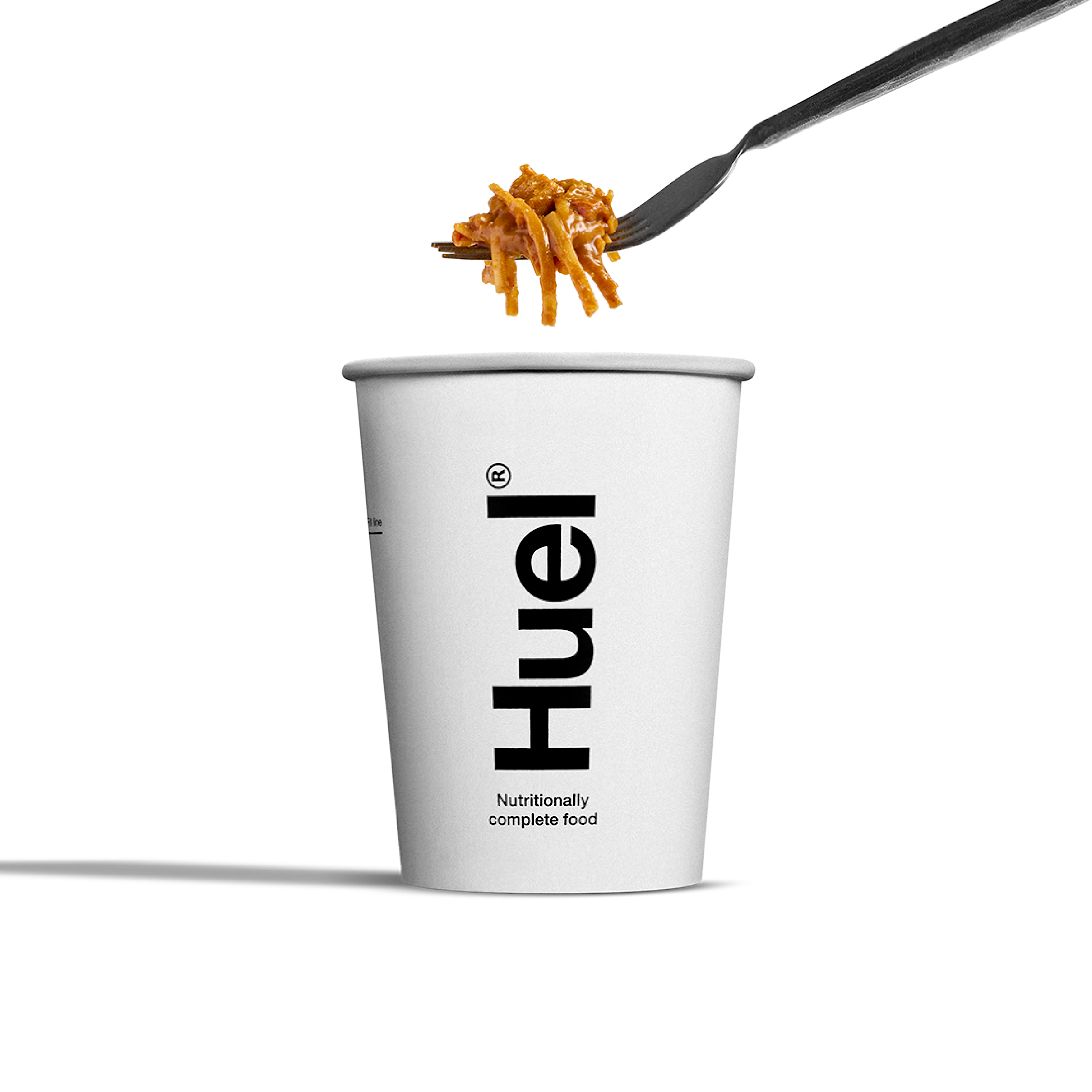

On-the-go instant meals
Up to 25g protein
400 kcal per pot


Complete protein bar
Up to 15g protein
Up to 210 kcal per bar


Sparkling supergreens drink
42 vitamins, minerals & nutrients
25 kcal per can


