🔥 Bestseller
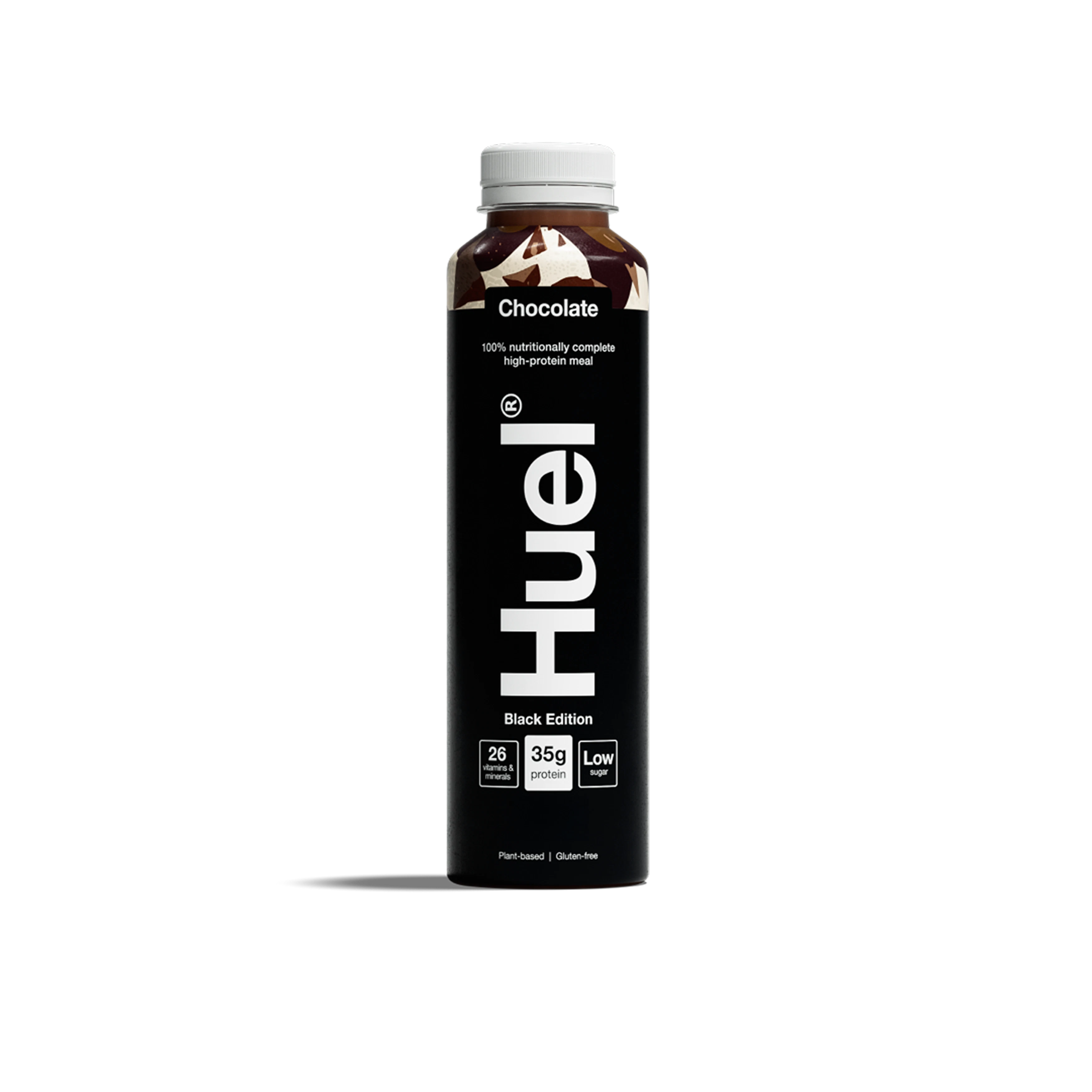

Black Edition Ready-to-drink
High-protein meal shakes
35g protein
400 kcal per bottle

The gap between what you think you're eating and what you're actually eating is usually bigger than you'd expect. Tracking closes it. The problem isn't motivation — it's visibility. You can't adjust what you can't see, and most of us are operating on rough estimates at best.
Diet tracking fixes that. Not by adding rules, but by adding information. Done well, it's one of the most research-backed tools for weight loss, body composition, and simply eating better, consistently.
Here's how to actually do it.
The short version
It works, here's how
Randomised controlled trials show that people who keep a consistent food record are roughly twice as likely to lose weight and maintain that loss compared to those who don't. That's not a small margin.
The mechanism isn't magic. Tracking surfaces the invisible — the handful of crisps mid-afternoon, the oil used in cooking, the portion that crept up over time. It closes the gap between what you think you're eating and what you're actually eating. For most people, that gap is significant.
It also creates a feedback loop. You stop reacting to yesterday and start making better decisions today.
What tracking isn't
Two things worth clearing up:
That said, tracking isn't for everyone. If you have a history of disordered eating, approach it carefully — or skip it in favour of the alternatives at the end of this piece.
The accuracy problem
Even diligent trackers get it wrong. Studies estimate that people underreport their intake by 20–30% on average — not through dishonesty, but through the genuine difficulty of judging portions and remembering everything consumed.
This is actually one of the best arguments for tracking rather than against it. If your instincts are consistently off by that much, you need a reference point.

Decide what you're tracking
Start with your goal:
Calories are your total energy intake. Macros — protein, fat, and carbohydrates — are where those calories come from. You don't need to track all three simultaneously, particularly at the start.
Choose your method
The best tracking system is the one you'll actually stick with.
Apps (MyFitnessPal, Cronometer, etc.) — Large food databases, barcode scanning, and automatic macro calculations make these fast for packaged foods. Slower for home cooking, but manageable once you've logged your regular meals a few times.
A notebook — Underrated. Writing down what you eat — even without precise calorie counts — meaningfully improves awareness. Cross-reference with nutrition labels or a basic online database. Requires more effort but builds a different kind of attention.
A spreadsheet — For those who want flexibility. Track exactly what's relevant to you, in whatever format suits your routine.
How to count calories for weight loss
Weight loss requires a calorie deficit — consuming less energy than you burn. That's the whole mechanism.
A daily deficit of around 500 calories translates to roughly 0.5kg (1lb) of weight loss per week. To find your number: use a validated TDEE calculator to estimate your daily energy needs based on age, sex, weight, and activity level, then subtract 500–750 calories for sustainable fat loss.
A few things that actually move the needle on accuracy:
How to track macros for fat loss
Macros matter when you want to preserve muscle, feel fuller for longer, or manage performance alongside body composition goals.
Common starting ratios for fat loss: protein 25–35%, fat 20–30%, carbohydrates 35–50%. A useful rule of thumb: aim for 1.2–2g of protein per kg of body weight.
Set your calorie target first, then divide between macros. Protein and carbs each provide 4 calories per gram; fat provides 9.
Common mistakes worth avoiding:
What tracking actually changes
The numbers are a side effect. What tracking really does is change your relationship with food decisions.
You notice the mindless eating. You make the implicit explicit. And over time, choices that used to require effort start to become automatic — which is the point.
Research suggests 2–3 weeks of consistent tracking is enough to build meaningful awareness and lay the foundations for new habits. After that, many people maintain their progress with far less frequent logging.
Common mistakes — and how to avoid them
Micronutrients — when they matter
Micronutrient tracking becomes relevant when you eat restrictively (vegan, low-calorie, or limited variety), are pregnant or elderly, or are noticing signs of deficiency: persistent fatigue, poor recovery, brittle nails.
Most apps include micronutrient breakdowns. Alternatively, a simple weekly audit — "am I eating a variety of colours?" — covers the basics without needing precise numbers. If you're genuinely concerned, a registered nutritionist and a blood test will tell you what you actually need to know.
The rest of the picture
Diet is one variable. Poor sleep increases appetite and cravings. Stress affects eating behaviour in ways that show up long before they show up in your log. Activity level changes your calorie needs.
Track the food — but stay curious about the context around it.
Do I have to track forever?
No. Tracking is scaffolding — useful while you're building, not a permanent feature of the wall.
When you're reliably estimating portions and making consistent choices without thinking too hard, try going without. Track new foods or use it to recalibrate after a period of drift. A tool when it's useful, not a rule you can never break.
What if tracking stresses me out?
Then don't — at least not in that way. There are other options: