✨ New flavour
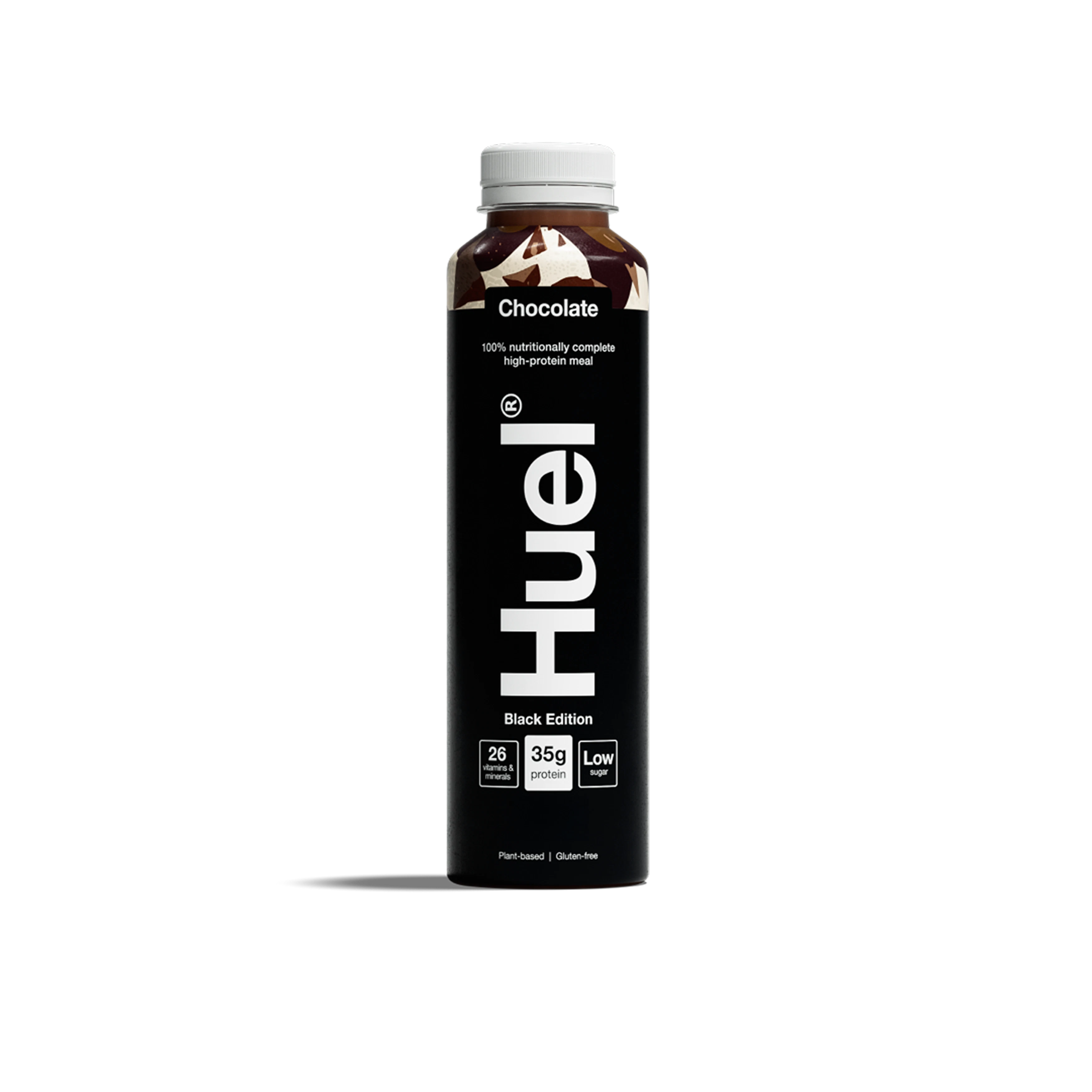

Black Edition Ready-to-drink
High-protein meal shakes
35g protein
400 kcal per bottle

How many hours did you spend outside today?
If you’re like most people in modern societies, the answer is surprisingly low. Research suggests we now spend around 90% of our time indoors. Yet daylight exposure remains quietly essential for our health and wellbeing.
Artificial lighting may be convenient, but it can’t replicate the biological effects of natural light. Daylight influences everything from sleep and mood to productivity and immune function. And when we don’t get enough of it, the effects can show up in subtle ways—fatigue, disrupted sleep, low mood, and difficulty concentrating.
So why does daylight matter more than we think?
In a world lit by screens and overhead bulbs, daylight can feel optional. But natural light does something artificial lighting cannot: it helps coordinate the body’s internal systems.
From regulating sleep cycles to supporting emotional stability, daylight keeps our internal clock aligned with the natural rhythms of the day. When we spend too much time indoors, that alignment can begin to drift.
Understanding how daylight affects the body—and how to get more of it—can make a meaningful difference to daily health and wellbeing.
Our bodies run on a 24-hour cycle called the circadian rhythm. This internal clock regulates sleep, hormone release, metabolism, and immune activity.
Daylight is the main signal that keeps this clock on schedule.
When morning sunlight enters the eyes, it signals the brain’s suprachiasmatic nucleus to begin the day. This cue boosts alertness, raises body temperature, and prepares the body for activity.
Without sufficient daylight exposure, this rhythm can become misaligned—affecting sleep, energy levels, and overall wellbeing.
As evening approaches, the body begins producing melatonin, the hormone that helps initiate sleep.
Exposure to daylight—especially in the morning and early afternoon—helps suppress melatonin during the day and supports a stronger release at night. Research shows regular sunlight exposure can improve sleep onset, sleep quality, and nighttime sleep duration.
When daylight exposure is limited—and artificial light is high in the evening—sleep cycles can become disrupted, often leading to fatigue and restless nights.
Sunlight is also the body’s primary source of vitamin D.
When ultraviolet B (UVB) rays reach the skin, they trigger a process that converts cholesterol into vitamin D, a nutrient essential for bone health, immune function, and more.
Because relatively little vitamin D is obtained from food, sunlight exposure plays a crucial role. Research suggests 5–30 minutes of midday sunlight several times per week is typically enough to support healthy vitamin D production, although needs vary depending on skin tone, geography, and season.

Natural light is closely linked to brain chemistry, particularly serotonin—a neurotransmitter associated with positive mood and emotional balance.
Bright daylight exposure helps increase serotonin activity, which can improve mood and resilience to stress. Studies consistently show that people with higher daylight exposure report lower rates of depression and anxiety.
Seasonal Affective Disorder (SAD), which affects roughly 1 in 15 people in some regions, is a clear example of this connection, as symptoms are triggered by seasonal decreases in natural light.
Simply put, daylight plays a meaningful role in emotional wellbeing.
Not getting enough daylight can have surprisingly broad consequences. Common symptoms of low daylight exposure include:
Office workers, students, and city dwellers—especially those in northern latitudes—are most at risk, often spending entire days under artificial lights with little chance to get outdoors.
Daylight doesn’t just affect how we feel—it also influences how we perform.
Research in schools and workplaces consistently finds that access to natural light improves attention, satisfaction, and productivity. Some studies suggest naturally lit workspaces can boost productivity by up to 40% compared with artificially lit environments.
Students in classrooms with large windows often learn faster and retain more information. Across workplaces, daylight exposure is associated with fewer mistakes, greater motivation, and improved overall wellbeing.
Beyond mood and focus, regular daylight exposure:
Experts generally recommend at least 20–30 minutes of daylight exposure daily, ideally during the morning or early afternoon.
Some people may require more, including older adults, people with darker skin tones, or those living at high latitudes where sunlight is weaker.
Season also plays a role. In winter or cloudy climates, maintaining sufficient daylight exposure often requires more intentional effort.
Our indoor-centric routines are the biggest challenge. Office workers, remote employees, and those in dense urban areas often go days with barely any real sunlight. High-rise buildings, limited access to parks, and reliance on screens all add up. In winter months, shorter days and weaker sunlight compound the problem, contributing to symptoms like sluggishness, irritability, and compromised sleep.
Small, intentional changes can help you reclaim daylight’s benefits:
Even on cloudy days, outdoor light is much brighter than indoor lighting.
When natural sunlight isn’t available (think winter or shift work), artificial alternatives can help—but not all are equal:
Nothing fully replaces the benefits of exposure to natural light, but targeted solutions can fill the gap when needed.
Daylight shapes nearly every aspect of our health—from our sleep and energy to our emotional balance and physical resilience. In a society where we spend most hours indoors, the costs of underestimating natural light are high but often overlooked. By making daylight a daily priority—through conscious routines or simple lifestyle tweaks—you can unlock its full benefits for mind, body, and wellbeing.