.png?auto=format&compress=true&w=3840)

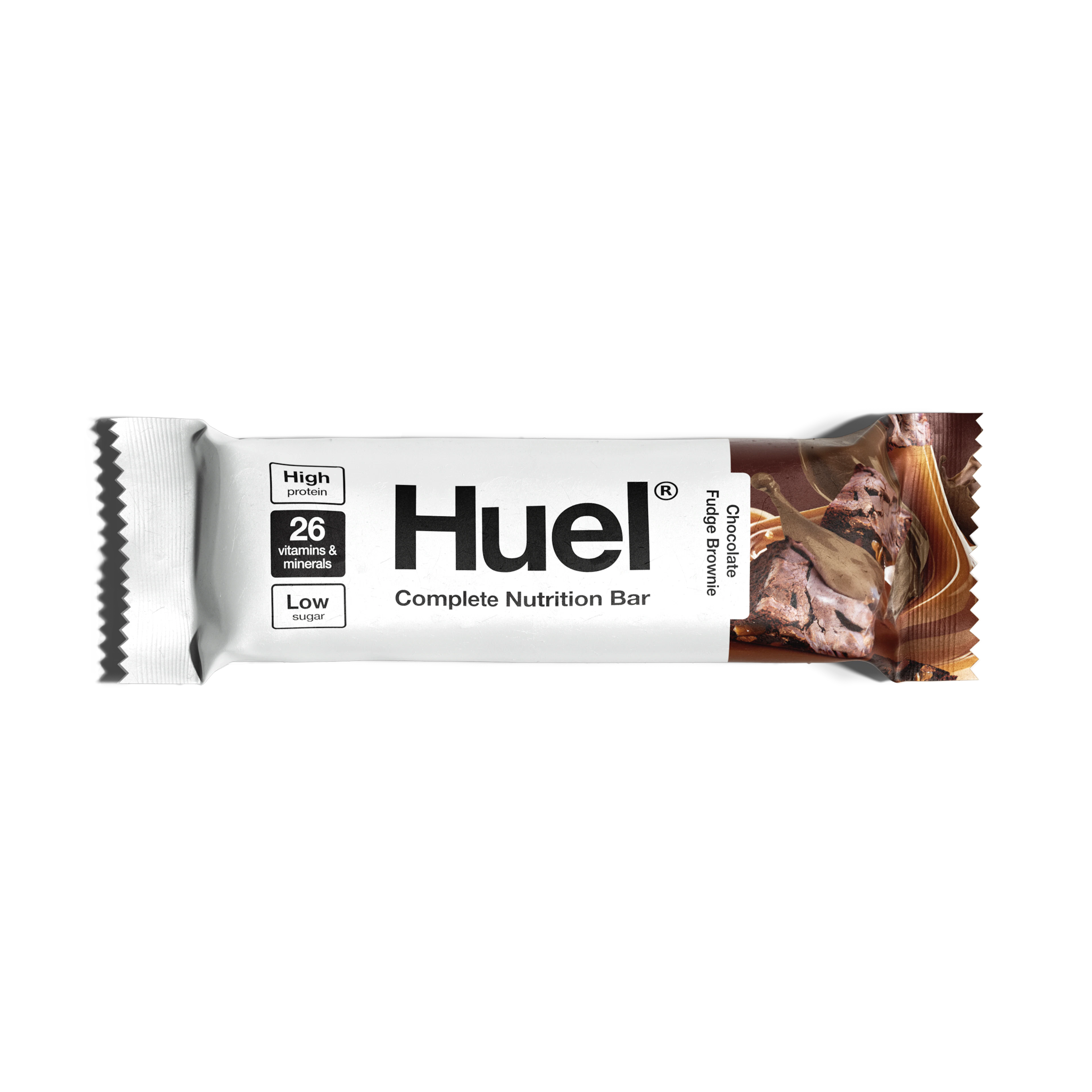
Black Edition Ready-to-drink
High-protein meal shakes
35g protein
400 kcal per bottle
Find mornings difficult? We’ve compiled a list of ideas to help you plan a new morning routine that works for you.

The most stressful time of the day is 7:23 a.m. That strangely precise number comes from a poll of 2000 Brits who were asked about their daily difficulties.
So, if you find the time between hitting ‘snooze’ on your alarm and heading out the door a struggle, you’re definitely not alone.
A good solution to these difficulties at dawn is to implement a morning routine. In this guide, we’ll explore:
In recent years, there has been considerable coverage of the importance of a morning routine for achieving success.
A big catalyst was a 2018 business book entitled My Morning Routine: How Successful People Start Every Day Inspired, which used interviews with dozens of CEOs, celebrities, and politicians to draw conclusions about effective daybreak habits. A quick search on social media will also show up lots of influencers promoting their own practices.
While the wake-up behaviours of the rich and famous might not be relevant to everyone, there is certainly value in thinking about your morning routine:
Essential reading: How to build a better sleep routine
There is no such thing as a perfect morning routine, and what works well for one person would sound horrible to the next. For example, the idea of a morning run with the sun coming up and the streets calm and quiet might sound delightful to you - or it could be your idea of hell!
Here are some general suggestions for planning out a morning routine that works for you:

Depending on what time you need to go to work, uni, or drop the kids off, there are only so many things you can fit into the morning. Use our ideas as inspiration — we’re not saying you must do all (or indeed any) of the following. Instead, pick and choose the suggestions that appeal to you.
As noted above, research shows that waking up at a consistent time is correlated with overall better performance and productivity for the rest of the day. By setting an alarm for the same time (including at weekends/days off), you’ll get your body clock used to following a consistent sleep/wake cycle and are therefore less likely to have crashes later on.
Do you find yourself hitting ‘snooze’ on your alarm several times each morning? Doing so is very tempting, but you then end up with less time to get ready for the day.
In an interesting experiment, people were put into three groups. One group was asked to get out of bed as usual, then do a few squats as soon as they got up. The other two groups were asked to do a task after turning their alarm off (either a maths question or photographing an object), then do the squats.
The results showed that the two ‘task’ groups would get up and do their squats in a much shorter space of time than the group who were left to get up when they wanted.
This research suggests that doing any kind of activity the moment you wake up means you’re more likely to get out of bed sooner. Choose what works for you, but it could be something like:
By engaging your brain on a quick and easy task, you’ll then snap out of that sleepy phase quicker and get on with your morning.
We’ve all done it: Wake up, grab our phone, and immediately begin doom scrolling, feeling jealous of that person’s holiday, or worried about that work email…
According to experts, grabbing your phone the minute you wake up can:
Try leaving your phone in another room overnight so you aren’t tempted to grab it first thing. It can be helpful to buy an alarm clock rather than relying on the one on your device.
Sorry to sound like a nagging parent, but making your bed can definitely be part of a good morning routine. Plumping your pillows, straightening out your duvet, and flattening out any covers can make your room feel calmer. This simple act can also work a bit like ‘closure’ for your sleep stage, and mean you’re mentally prepared for the day ahead.
There hasn’t been tons of research into the topic, but some studies suggest that keeping a generally tidy home is associated with better overall mental health. And in a 2024 interview, one psychologist claimed that making your bed first thing in the morning “can initiate a chain of other positive behaviours throughout the day”.
Mindfulness is a form of meditation where you set aside time to observe your thoughts, your emotions, and how your body feels. It can help set you up for a calmer, more positive start to the day.
One reason to follow mindfulness practices in the morning is that you’re simply more likely to stick with them. A study showed that people using meditation apps in the a.m. continued using them for longer than those who used them at night. And don’t worry - you don’t have to spend ages doing mindfulness to get the benefits - research shows that as little as a few minutes each day has similar effects to much longer sessions.
There are many different approaches you can take to mindfulness. Here are some simple ones to start with:
There are many other ways to be mindful in the morning, too. From journaling to using mindfulness apps, to guided meditation, and much more.
Related: The morning stretch routine that will change your year
Many people swear by doing some simple exercise as part of their morning routine. And fitting it in during the morning is potentially the best time of day to do it. According to an analysis of multiple studies, doing your exercise in the morning (rather than other times of day) could:
Morning exercise doesn’t need to be complex or long — just do what feels right to you.
Options could include:
Set yourself up properly for the day with a breakfast that will nourish your mind and body - it’s called the ‘most important meal of the day’ for a reason. Studies show that:
However, not all breakfasts are made equal. Breakfasts high in refined carbohydrates (that is, sugar) and little protein are more likely to lead to crashes in energy later in the morning.
Jessica Stansfield, Registered Nutritionist and Nutrition Manager at Huel, recommends eating a breakfast that includes all the major food groups and that delivers a good range of vitamins and minerals. “You’re looking for breakfasts that contain carbs, proteins, some fruit or veg, a little dairy, and a little fat,” she explains.
“Something like porridge with some blueberries, nuts, and seeds sprinkled on top is ideal,” she continues. “The oats deliver slow-release energy and fibre, the fruits are packed with vitamins, nuts and seeds provide protein and healthy fats, and milk (or a non-dairy alternative) provides calcium and other minerals.”
Other healthy breakfast options for your morning routine include:
A good morning routine can kick-start your metabolism, provide you with enough energy, and leave you feeling more positive, too. That means you’ll be ready to face the day ahead and get the most out of it - whatever comes your way.
Words by Len Williams