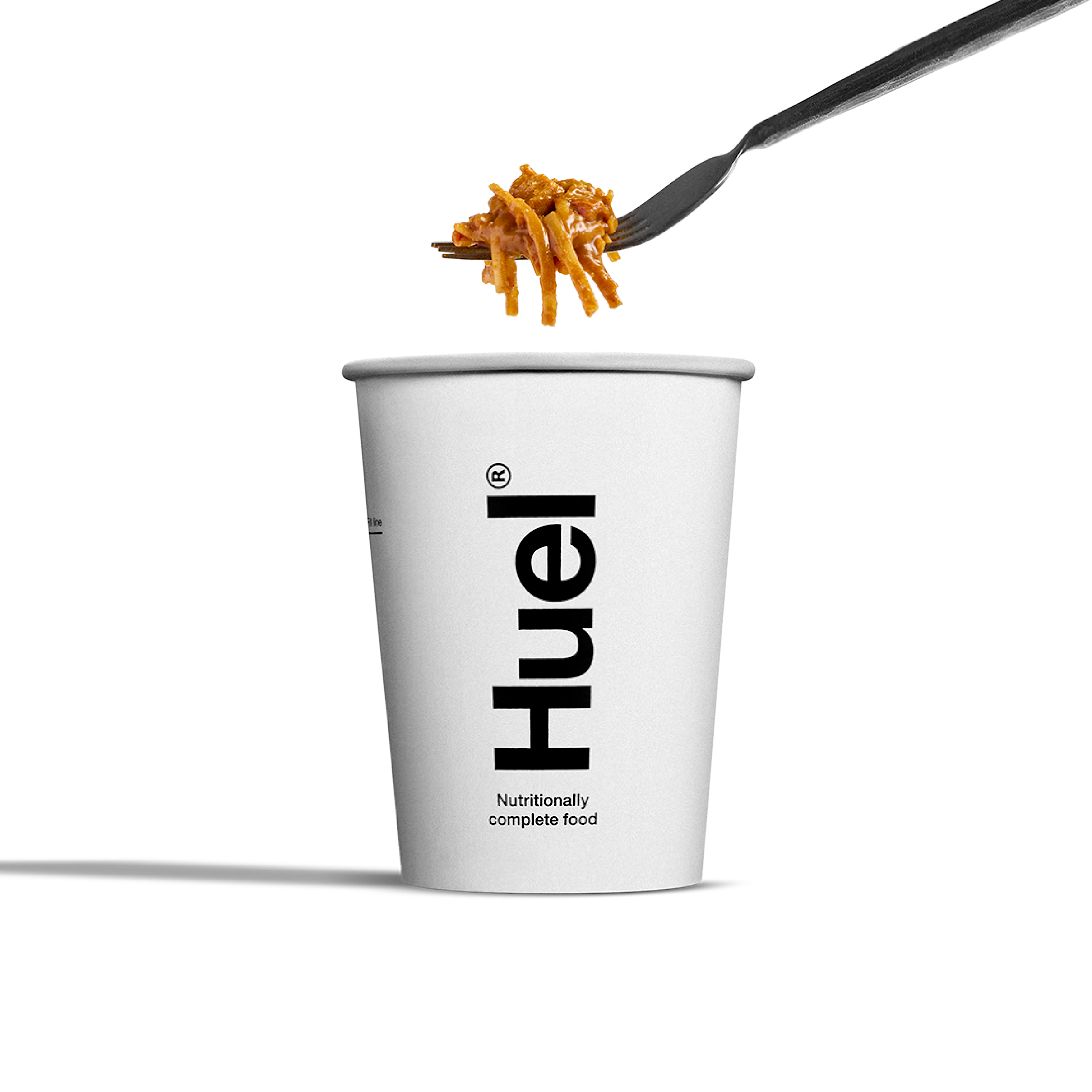
✨ New flavour
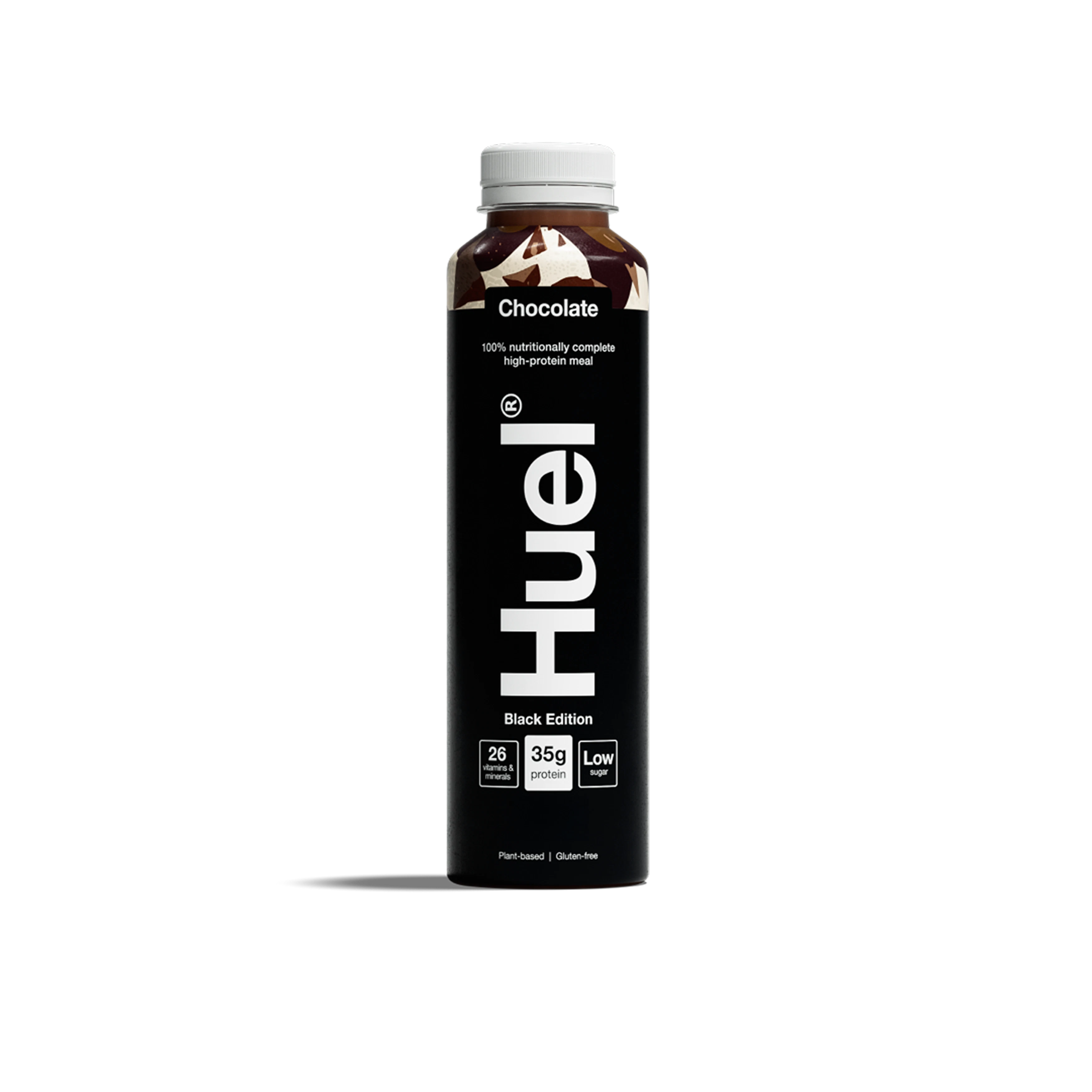

Black Edition Ready-to-drink
High-protein meal shakes
35g protein
400 kcal per bottle

Ready to break a habit that’s not serving you? Here’s a simple, science-backed way to reset your routine — and feel better while you do it.
We all have habits that help life run smoothly, like brushing our teeth, making coffee, or checking our calendar. But some patterns quietly start working against us. The late-night scrolling that wrecks our sleep. The “just one more snack” that turns into three. The constant caffeine cycle that leaves us wired, then wiped.
If you’ve got a habit that’s starting to take more than it gives, you don’t need to overhaul your life overnight. Change happens when you understand how habits work and give your body what it needs to support that change.
This six-step reset plan is designed to help you do exactly that.
If you want to quit bad habits, it helps to understand what’s happening in your brain when one forms.
When you start a new routine—say, ironing a shirt every morning before work—it takes effort. You have to think about it step by step. But over time, your brain creates a shortcut. The action becomes automatic. That’s a habit: your brain’s way of saving energy.
This same process applies to almost everything we do, from brushing our teeth to checking our phones. Habits are efficient, but not all of them serve us. The key is learning which ones to keep—and which to rewire.
Related: How to make and maintain a healthy habit

Before you can change a habit, you have to know what’s fueling it.
Is it boredom, stress, tiredness, or just routine? Track when your habit shows up and what’s happening around it, such as the time of day, your emotions, or your environment. Awareness is your first reset button.
You’ll need more than guilt to stay motivated. Be specific about what’s driving your change. Maybe you want steadier energy, more focus, or just to feel more in control.
Write it down somewhere visible, like your notes app, so it’s harder to forget when temptation hits.
Cutting something out completely often backfires. Instead, swap the old routine for something that gives a similar reward.
If you grab fast food when you’re too tired to cook, try keeping a quick, balanced meal on hand that’s ready in minutes—something that gives you good nutrition without the effort. If you scroll to unwind, try a walk, a podcast, or even a few deep breaths before reaching for your phone.
Habits thrive in familiar spaces. If you always buy a takeaway walking past the same shop, change your route. If you doomscroll in bed, charge your phone in another room.
Make the path to your old habit harder and the path to your new one easier.
You don’t have to be perfect to make progress.
Start by cutting back, not cutting out. Spend 20 fewer minutes on social media, or swap your afternoon energy drink for water twice a week. Small, consistent changes build momentum.
And if you slip up? You’re human. Notice it, reset, and keep going.
Quitting a habit can be mentally and physically draining, so fuel yourself well. Eat balanced meals with plenty of protein and fibre, stay hydrated, and prioritise sleep. If you’re short on time, reach for something that gives your body complete nutrition in one go so you’re not running on empty.
Your body and brain work better when they have what they need.
Breaking a habit isn’t about willpower. It’s about awareness, environment, and support. Be patient with yourself, fuel your body properly, and remember that if you can form one habit, you can form another.
Words by Len Williams & The Digest Team