✨ New flavour
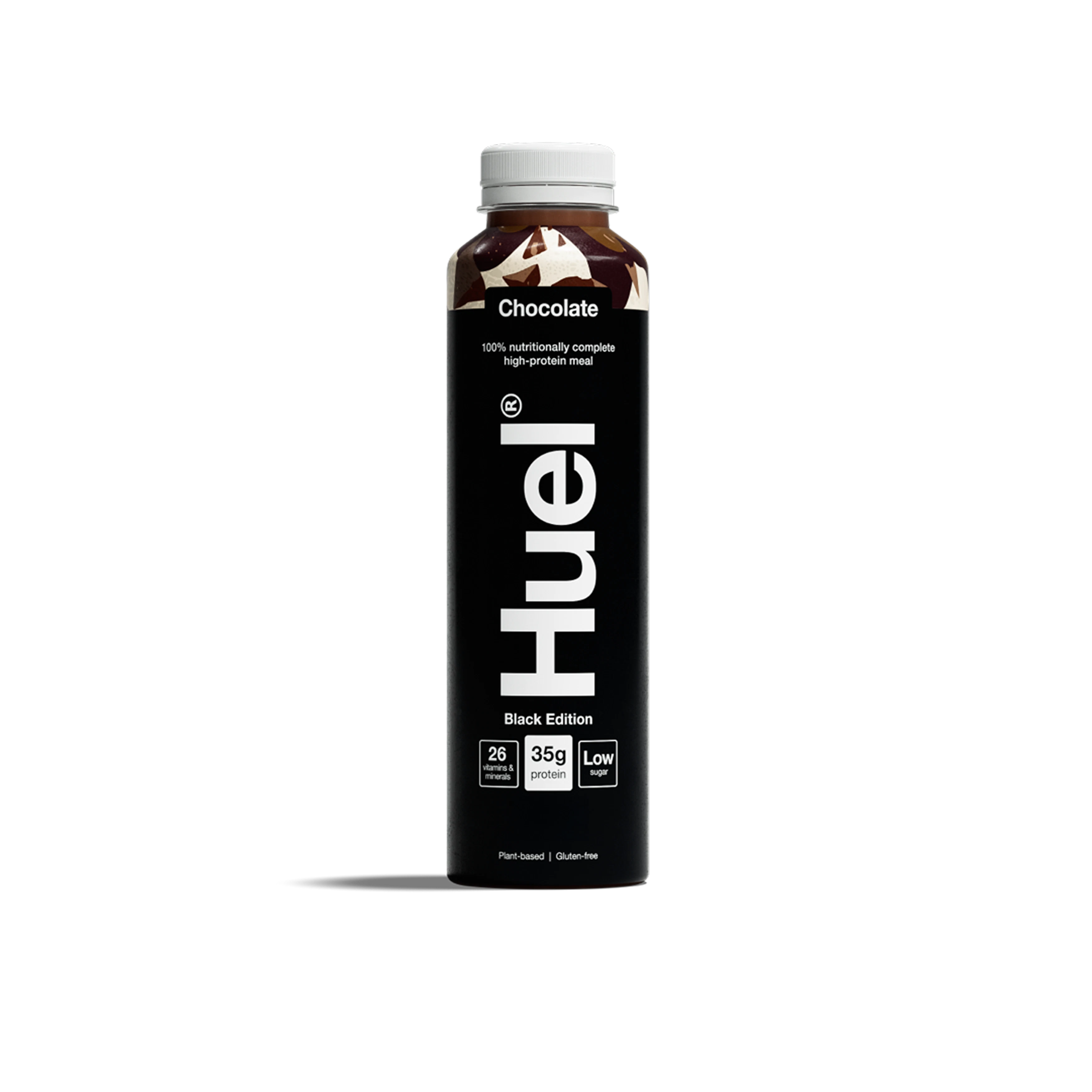

Black Edition Ready-to-drink
High-protein meal shakes
35g protein
400 kcal per bottle

When stress spikes, the instinct is often to push through it or wait for it to pass. Box breathing offers a faster alternative. It's a controlled breathing technique that can shift your nervous system out of a stress response within minutes — no equipment, no training, and no particular setting required. During Stress Awareness Month, it's worth having at least one reliable, evidence-backed tool in your pocket. This is one of the simplest.
TL;DR: Box breathing — also called square breathing or 4-4-4-4 breathing — is a four-part breathing exercise that activates the body's relaxation response within minutes. It's used by Navy SEALs, athletes, and mental health professionals alike, and it's straightforward enough for complete beginners.
Box breathing gets its name from its structure. Each breath cycle has four equal phases: inhale, hold, exhale, hold — each typically lasting four seconds. Visualising a box as you breathe can help: each side of the square represents one phase. This is also why you'll hear it referred to as square breathing or four-square breathing. The 4-4-4-4 pattern is the most commonly used, though the count can be adjusted up or down depending on comfort and experience.
The technique has been used in high-performance military contexts for decades. US Navy SEALs use box breathing as a tool for maintaining focus and composure under acute pressure — conditions where the ability to regulate the stress response quickly is operationally important. From there, it spread to sports performance, clinical psychology, and mainstream stress management, largely because it works and because it requires no resources beyond a few minutes and some attention.
Find a comfortable seated position with your feet flat on the floor and your back reasonably straight. You can close your eyes or rest your gaze softly on a fixed point. Place your hands in your lap if that feels natural.
That's one cycle. Keeping your hands on your belly and feeling it rise and fall with the breath can help maintain focus, particularly when you're new to the practice.
Set a timer for two minutes. Each cycle takes 16 seconds, so two minutes gives you roughly seven to eight complete cycles. That's enough to produce a noticeable shift in how you feel.
If four seconds feels too long initially, try three seconds per phase and build up gradually. If it feels too short, five or six seconds per phase is equally valid. The key is that each phase is the same length — the symmetry is what creates the pattern's effect.
Apps, simple online timers with four-second intervals, or short guided audio tracks can all help with pacing when you're starting out.

The mechanism is well understood. Slow, controlled breathing activates the parasympathetic nervous system — the branch responsible for the body's rest-and-digest state — which counteracts the fight-or-flight response driven by stress hormones like cortisol and adrenaline. The breath holds, and the deliberate pacing of each phase slows the heart rate and reduces physiological arousal in a way that faster, uncontrolled breathing cannot.
A 2024 study published in the Indonesian Journal of Global Health Research (Muhlisoh et al.) found box breathing to be highly effective at improving breathing frequency in patients with COPD, with no adverse effect on oxygen saturation — evidence that the technique produces meaningful physiological changes even in clinically compromised respiratory systems. A 2023 study in Cell Reports Medicine found that structured breathing practices, including box breathing, produced greater improvements in mood than mindfulness meditation alone.
Stress Awareness Month is a useful prompt to examine which stress management habits are actually working and which ones are more aspirational than practical. Box breathing earns its place in that audit because it can be used reactively — in the moment a stress response is building — or proactively, as a brief daily practice that builds resilience over time. Two minutes before a difficult meeting, after a long commute, or as part of a wind-down routine at night are all reasonable entry points.
Regular use of box breathing is associated with reduced anxiety, improved focus, and a more stable mood. By interrupting the physiological spiral of rapid, shallow breathing that tends to accompany anxiety, it breaks one of the most self-reinforcing aspects of the stress response. Some people also find it useful as a pre-sleep practice, particularly when racing thoughts are making it difficult to settle — though individual results vary and it works better for some than others.
Box breathing is safe for most people. Those with respiratory conditions such as asthma, COPD, or heart conditions should check with their GP before practising breath holds. If you feel light-headed or uncomfortable at any point, stop and return to normal breathing. Occasional mild dizziness in beginners is not unusual and typically resolves as the technique becomes more familiar. If dizziness or discomfort persists, consult a healthcare professional.
The technique is versatile enough to fit into almost any part of the day. Common high-value moments include:
There is no ceiling on frequency. A few cycles several times a day is a reasonable starting point, and most people build up naturally as the technique becomes habitual.
Dedicated breathwork apps often include guided box breathing with visual or audio cues. Simple four-second interval timers work just as well. Some people find it helpful to use a visual anchor — tracing a square on a surface, following an animated graphic, or even looking at a literal square shape — to keep the phases distinct and the mind from wandering. A sticky note on a monitor or phone as a simple reminder can be surprisingly effective for building the habit in the early stages.
What is the difference between box breathing and square breathing? There is no difference. Both terms refer to the same four-part breathing pattern — inhale, hold, exhale, hold — with each phase lasting the same amount of time. You may also see it called four-square breathing or 4-4-4-4 breathing, all of which describe the same technique.
Why is box breathing used for anxiety? Anxiety typically involves rapid, shallow breathing that reinforces the body's stress response. Box breathing directly counters this by slowing the breath and activating the parasympathetic nervous system, which brings the body out of fight-or-flight mode. The deliberate focus required also interrupts anxious thought patterns, making it effective both physiologically and psychologically.
Can box breathing help with insomnia? It can, particularly when insomnia is driven by an overactive mind or residual physical tension. The technique slows the body and reduces physiological arousal, both of which support sleep onset. Results vary between individuals, and it tends to be most effective when used consistently as part of a wind-down routine rather than as an occasional intervention.
How many times a day should you do box breathing? There is no fixed prescription. A few cycles several times a day is a sensible general recommendation, particularly for beginners. Building the habit gradually — perhaps starting with one two-minute session and adding more as it becomes natural — tends to be more sustainable than trying to practise intensively from the start.
Are there risks or side effects to box breathing? For most healthy adults, box breathing is entirely safe. Mild light-headedness in beginners is common and usually passes quickly. If you have a respiratory or cardiovascular condition, check with your GP before practising, and avoid the breath-hold phases if they cause discomfort. Stop immediately if you feel unwell.
Is box breathing good for beginners? Yes — it's one of the most accessible breathwork techniques available. The structure is simple, the steps are easy to remember, and the count can be adjusted to suit your comfort level. Most people notice a tangible effect within their first session, which makes it straightforward to stay motivated.
Edited by The Digest team