✨ New flavour
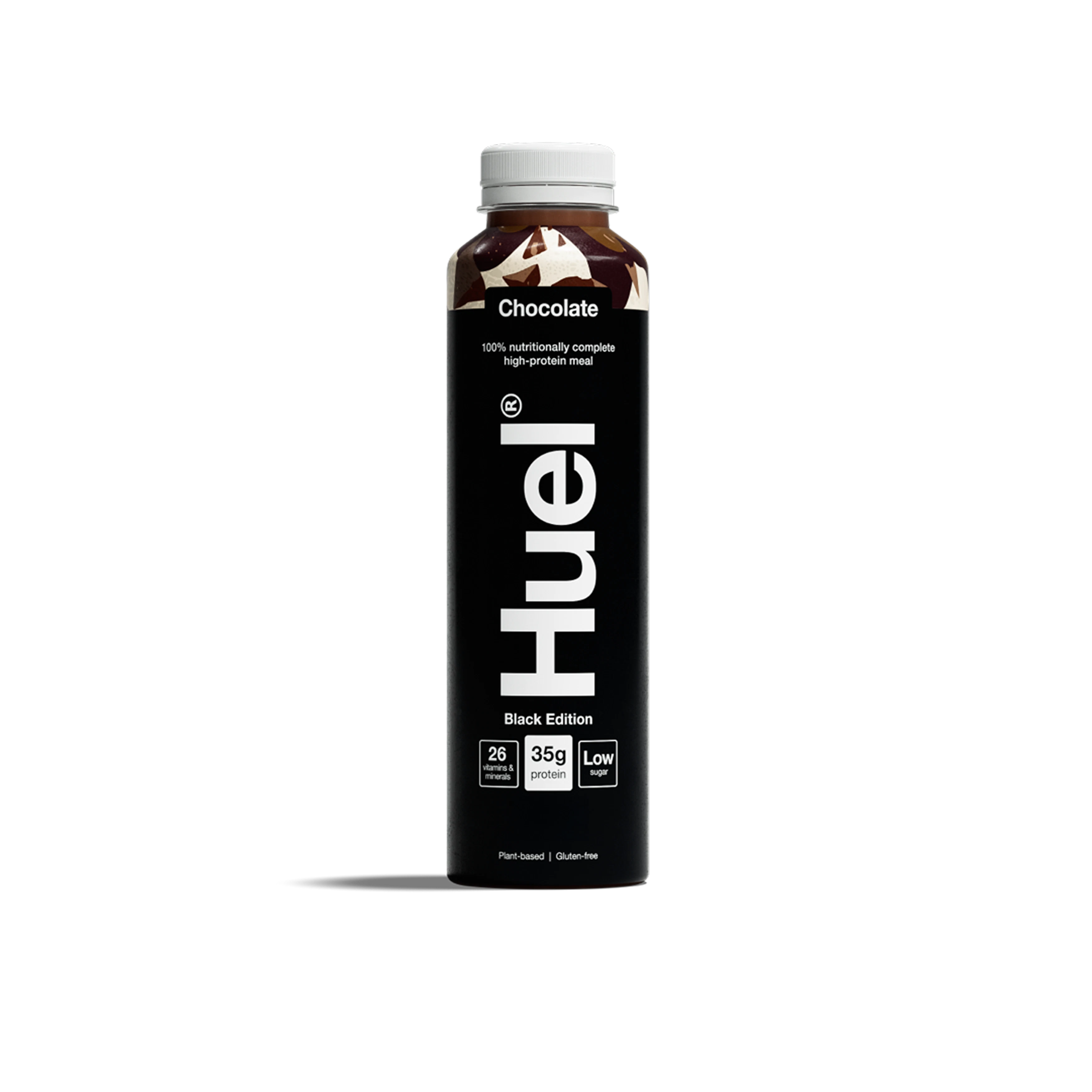

Black Edition Ready-to-drink
High-protein meal shakes
35g protein
400 kcal per bottle

A bank holiday weekend sits in a curious middle ground. It's long enough to feel genuinely restorative, but short enough that most people spend at least part of it aware that Tuesday is coming. The challenge isn't enjoying it — that part tends to take care of itself. The challenge is coming out the other side feeling better than you went in, rather than in need of a weekend to recover from your weekend.
TL;DR: A genuinely restorative long weekend requires actual recovery, not just time off. Movement, sleep consistency, decent food, and real psychological detachment from work all matter more than grand plans. The aim is to come back on Tuesday with more energy than you left on Friday.
Research on recovery — particularly work by Sabine Sonnentag on psychological detachment — makes a useful distinction between absence from work and genuine restoration. Time off is simply not being at work. Restoration involves four specific qualities: psychological detachment (mentally switching off from work-related concerns), relaxation, mastery (engaging in activities that produce a sense of competence or flow), and control (having autonomy over how your time is spent).
Most people achieve time off during a bank holiday. Fewer achieve genuine restoration, often because work-adjacent thinking — checking email, running through Monday's to-do list, mentally unresolved problems — continues throughout the break. The brain doesn't restore itself in the background while you do this; it stays partially activated, producing the familiar feeling of returning from a long weekend and not quite understanding why you don't feel more refreshed.
The practical implication: genuine restoration requires some degree of deliberate disengagement, not just physical absence.
Exercise during a long weekend tends to go one of two ways — either ambitious plans are made and mostly not executed, or nothing happens at all. Neither is ideal. The research on active recovery consistently shows that moderate movement — walking, cycling, swimming, stretching — reduces muscle tension, improves mood, and supports sleep quality without adding to fatigue.
A long weekend is not the time to push a new training personal best. It's a reasonable time for a long walk somewhere unfamiliar, a bike ride, a swim, or simply being on your feet more than usual. The benefit is cumulative and low-threshold — thirty to sixty minutes of moderate movement on each day of the long weekend produces measurable improvements in mood, energy, and sleep quality by Tuesday without creating additional recovery demands.
Getting outside specifically adds benefit. Exposure to natural light, particularly in the morning, anchors the circadian rhythm and improves sleep onset. Even an overcast British morning outside is considerably brighter than indoor lighting, which is why a morning walk — even a brief one — has a disproportionate effect on sleep quality that night.
Bank holidays are social, and social eating is one of life's genuine pleasures. The goal here is not restraint or optimization but avoiding the specific patterns that reliably produce the Tuesday slump: alcohol-disrupted sleep, meals heavy in refined carbohydrates and low in protein, and the dehydration that accumulates when drinks (alcoholic or caffeinated) crowd out water.
A few things that help without requiring much active thought:
Anchor meals with protein. A breakfast or lunch that includes a meaningful protein source — eggs, yoghurt, smoked fish, beans — extends satiety, reduces the likelihood of energy dips, and supports stable blood sugar through the day. This makes subsequent food choices easier and reduces the gravitational pull of snacking.
Alternate alcoholic drinks with water. Not as a health statement but as a practical strategy for feeling better the next morning. Alcohol is a diuretic and disrupts sleep architecture even at modest intake, producing the light, fragmented sleep that accounts for much of the post-drinking fatigue.
Don't skip vegetables because it's a holiday. Including some vegetable content at most meals doesn't require special effort — it just requires not actively excluding it. A salad alongside a barbecue, some roasted veg alongside whatever's being cooked, or a piece of fruit at some point during the day all count.
Sleep is simultaneously the most valuable use of a long weekend and the thing most likely to be disrupted by it. Late nights, alcohol, sleeping in, and irregular meal times all shift the circadian rhythm — which is fine for one night but produces meaningful consequences if it continues across the whole weekend.
The most important anchor is wake time. Sleeping in by an hour or two on a Saturday morning is unlikely to cause meaningful problems. Sleeping in by two to three hours across Friday, Saturday, and Sunday night compounds into something closer to mild jet lag — the Monday morning grogginess that makes the return to Tuesday feel harder than it should.
A reasonable heuristic: allow yourself one lie-in of up to an hour and a half, keep the other mornings within an hour of your normal wake time, and prioritise getting to sleep at a reasonable hour on Sunday night regardless of what the rest of the weekend involved.
The most underused aspect of a long weekend is genuinely switching off. Not consuming different content on the same screens, not staying productive in a different context, but actually disengaging. This is harder than it sounds for people whose professional identity is closely tied to being busy and available.
Activities that tend to produce genuine psychological restoration: spending time with people you actually enjoy, being in a different physical environment, doing something with your hands (cooking a proper meal, gardening, building something), physical movement in natural settings, and creative or playful activities that absorb attention without being work-adjacent.
The aim is to arrive at Tuesday morning having actually used the long weekend — not having survived it or filled it, but having spent some of it in a state of genuine engagement with something other than obligation.
Is it bad to do nothing on a bank holiday? Genuine rest — actually doing nothing, without guilt — is valuable and counts as recovery. The risk is passive non-rest: scrolling, half-watching television, being nominally off but mentally not quite present anywhere. If you're going to do nothing, do it fully and deliberately rather than accidentally.
How do I avoid the Sunday night anxiety before the return to work? Sunday evening anxiety is largely a product of the week ahead feeling unresolved. Writing a brief, concrete list of the first things you'll do on Tuesday morning — not everything you need to do, just the first few — offloads the mental preparation that generates anticipatory anxiety. The brain relaxes when it has a plan, even a minimal one.
Does exercise on a bank holiday help or make Monday harder? Moderate movement helps — it supports sleep, reduces cortisol, and improves mood. High-intensity or high-volume training that produces significant muscle soreness can make Monday feel harder, particularly if recovery nutrition and sleep aren't adequate. Err on the side of enjoyable, moderate activity rather than ambitious training during a rest weekend.
What should I eat on Sunday night to feel better on Tuesday? A meal that's reasonably balanced — some protein, some complex carbohydrates, some vegetables — eaten at a reasonable time (not so late that it disrupts sleep) makes a practical difference. Nothing complicated is needed. The main thing to avoid is a very heavy, late meal combined with alcohol, which produces the kind of sleep that feels like sleep but doesn't leave you rested.