✨ New flavour
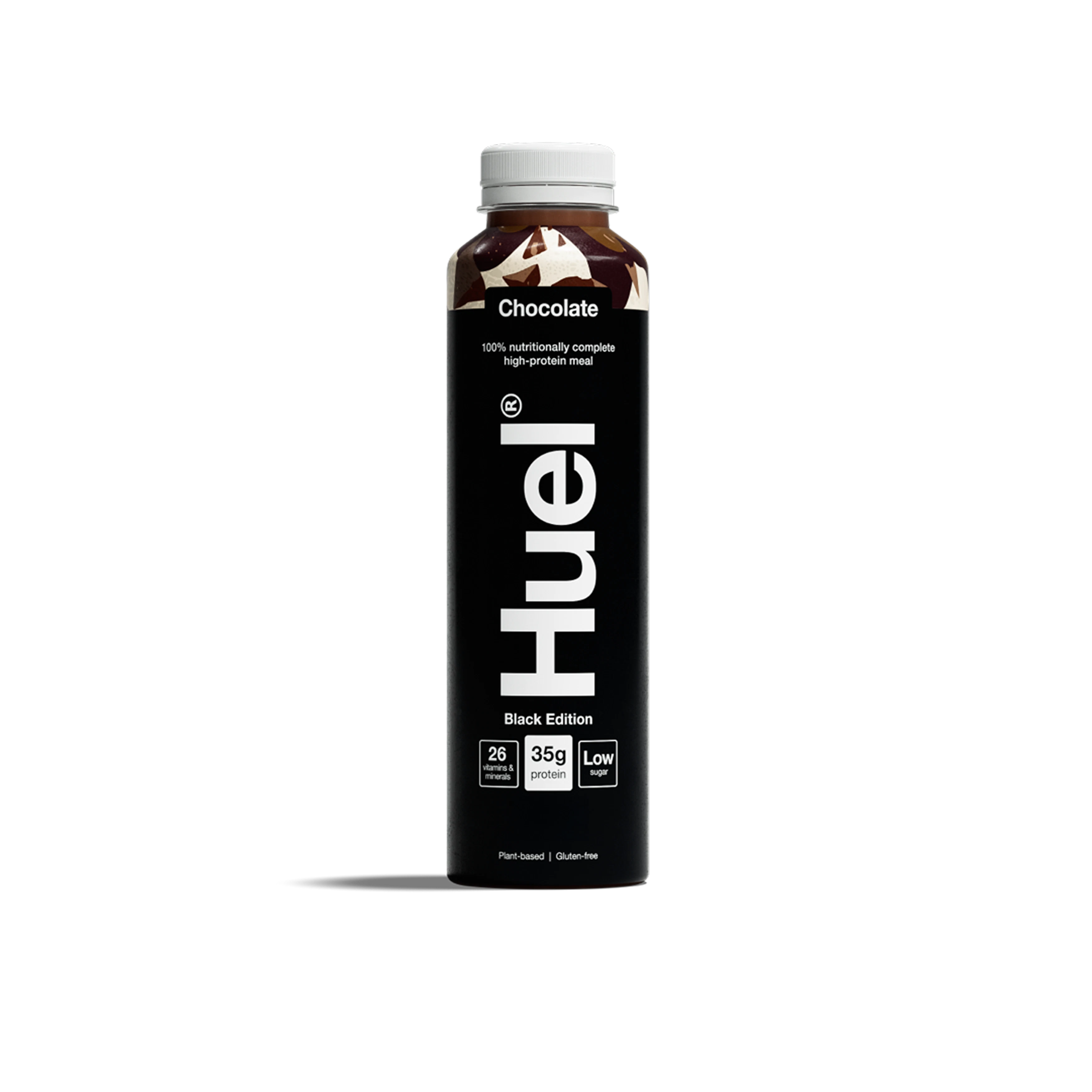

Black Edition Ready-to-drink
High-protein meal shakes
35g protein
400 kcal per bottle

Gluten has become one of the most debated ingredients in modern nutrition. It divides supermarket shelves, fuels food trends, and sparks constant conversation about whether it’s harmful or misunderstood.
So what’s the reality? Is gluten truly a problem for our health, or has its reputation been amplified by diet fads and misinformation?
In this guide, we break down the science behind gluten—what it is, who genuinely needs to avoid it, the facts about gluten-free diets, and how to find safe gluten-free foods.
Whether you’ve been diagnosed with coeliac disease, are considering a gluten free diet, or are simply curious, this article will help you separate fact from fiction.
Gluten isn’t a single ingredient but a group of proteins—primarily gliadin and glutenin—found naturally in grains such as wheat, barley, and rye.
When flour mixes with water, gluten forms an elastic network that gives bread its structure and chewiness. It’s the reason dough stretches, rises, and holds its shape in everything from bagels to pasta.
Common foods containing gluten include:
Because gluten provides structure, binding, and thickening properties, it’s difficult to replicate in baking and processed foods.
When a product is labelled gluten free, it means it contains less than 20 parts per million (ppm) of gluten, according to UK/EU regulations and many global standards.
Many brands go further by seeking third-party certification—such as the Crossed Grain symbol from Coeliac UK—to demonstrate strict testing and minimize cross-contamination risks.
Key points:
Humans have eaten gluten-containing grains for around 10,000 years, since the early days of agriculture in the Fertile Crescent.
Wheat and other cereal grains have long been staples across cultures—from bread in Europe to noodles in Asia. However, modern agriculture and food processing have changed how much gluten many people consume today.
Selective breeding has favoured wheat varieties with higher gluten content, because they perform better in baking. Modern food manufacturing also uses wheat-derived ingredients to improve texture and shelf life.
This means gluten can appear in many processed foods beyond obvious staples like bread or pasta.
Examples include:
Some heritage grains, such as einkorn, may contain less gluten, but the difference compared with modern wheat is relatively modest.
Coeliac (or celiac in the US) disease is an autoimmune disorder affecting around 1% of the global population, although many cases remain undiagnosed.
In people with coeliac disease, gluten triggers an immune response that damages the lining of the small intestine. This can impair nutrient absorption and cause symptoms such as:
Diagnosis typically involves blood tests and an intestinal biopsy. The only effective treatment is a lifelong, strict gluten-free diet.
Even small amounts of gluten can trigger intestinal damage.
Non-coeliac gluten sensitivity (NCGS) is less clearly defined. People with NCGS experience symptoms after eating gluten but do not test positive for coeliac disease or wheat allergy.
Symptoms can include:
Estimates of prevalence vary widely—from 0.6% to over 6% of the population—depending on how it’s measured.
However, research suggests some symptoms attributed to gluten may actually be caused by other compounds in wheat, such as FODMAP carbohydrates.
Some people experience a wheat allergy, an immune reaction to wheat proteins. Symptoms can include hives, swelling, breathing difficulties, and in severe cases, anaphylaxis.
Others with irritable bowel syndrome (IBS) may react to FODMAP carbohydrates found in wheat. Reducing wheat can help symptoms in these cases, but gluten itself may not be the main trigger.

Common gluten sources include:
Always look for ingredients derived from wheat (including spelt, farro, durum), barley (malt or malt extract), rye, or triticale.
Many everyday foods are naturally gluten free, including:
Cooking with whole foods is often the simplest way to maintain a gluten-free diet.
Although many traditional cereals contain gluten, several grains are naturally gluten free.
Examples include:
Oats are only gluten free if specifically certified, as standard oats are often contaminated during processing.
Commercial gluten-free breads usually combine rice flour, cornflour, potato starch, or tapioca flour. Texture and taste vary widely, and homemade options may offer better control over ingredients and nutrition.
Naturally gluten-free snacks include:
Packaged snacks labelled gluten free—such as crackers or snack bars—can also be suitable, but nutrition varies.
Many are high in sugar, saturated fat, or additives, so it’s still worth checking ingredient lists and nutrition labels.
Despite popular belief, research consistently shows no health benefit from avoiding gluten for people without coeliac disease, NCGS, or a wheat allergy.
Claims that gluten causes general inflammation, fatigue, or weight gain in otherwise healthy individuals are not supported by controlled studies.
Much of the gluten-free diet’s “health halo” comes from media trends and celebrity endorsements rather than scientific evidence.
Eliminating gluten without medical necessity may have drawbacks.
Potential risks include:
Nutritional deficiencies
Many gluten free products are not fortified with iron or B vitamins, which are often added to wheat products.
Lower diet quality
Some gluten free alternatives are higher in sugar, saturated fat, and additives.
Higher food costs
Specialty gluten free products are often significantly more expensive.
If you choose to follow a gluten free diet, focusing on naturally gluten free whole foods can help maintain balanced nutrition.
Media coverage, celebrity diets, and wellness trends have helped create the perception that gluten is inherently unhealthy.
Personal stories can be persuasive, but they don’t replace controlled scientific research.
Food companies have also capitalized on the trend, labelling products gluten free even when they offer no additional health benefit.
Scientific studies consistently find no harmful effects of gluten in people without diagnosed gluten-related disorders.
In fact, unnecessarily restricting gluten may reduce dietary fibre intake and limit beneficial whole grains.
Research into non-coeliac gluten sensitivity continues, but controlled studies often show that symptoms attributed to gluten may instead be caused by other components of wheat.
Gluten is a natural protein found in several staple grains that humans have consumed for thousands of years.
For people with coeliac disease, wheat allergy, or gluten sensitivity, avoiding gluten is essential. But for most people, gluten can be safely included as part of a balanced diet.
If you follow a gluten free diet, focus on variety and prioritise naturally gluten free whole foods rather than heavily processed alternatives.
For individualized advice, consult a registered nutritionist or healthcare professional.
Edited by The Digest team