✨ New flavours
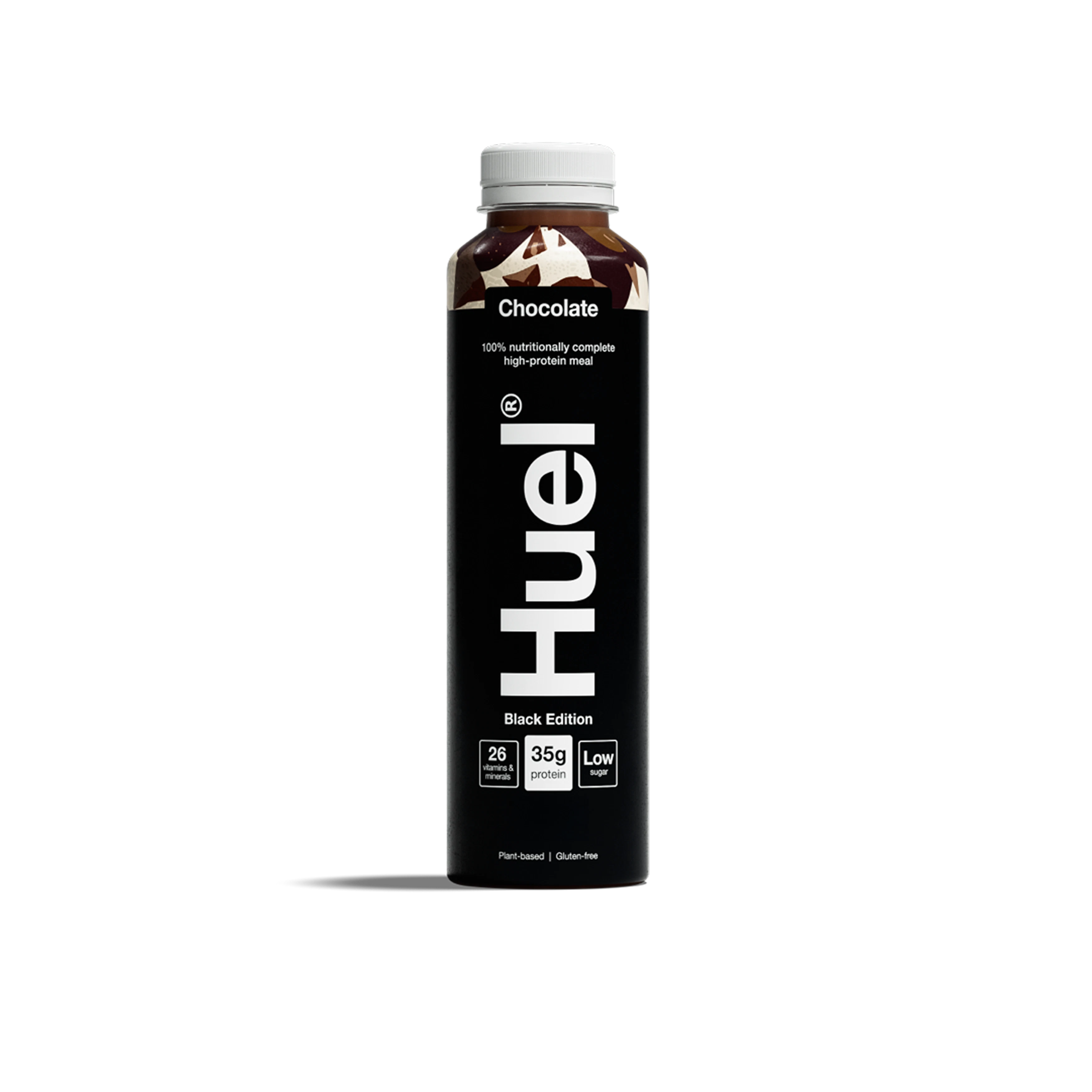

Black Edition Ready-to-drink
High-protein meal shakes
35g protein
400 kcal per bottle

What you need to know about vitamins, minerals, and why they matter.
You hear plenty about macronutrients like protein, carbs, and fat, but what about the little guys? Micronutrients, such as vitamins and minerals, play an equally important role in our health by maintaining bodily functions. However, if we get too much or too little of them, we can experience unpleasant side effects.
Vitamins and minerals act as tiny assistants throughout the body. They regulate our hormones, heal wounds, help fight infection, facilitate metabolism, maintain fluid balance, keep our vision sharp, build healthy bones; they even and even help deliver oxygen to cells throughout our body. We may not need them in large amounts, but they make a big impact.
We get vitamins and minerals from food or supplements. They are then absorbed by our digestive system and distributed throughout the body. Some vitamins and minerals assist each other's absorption, such as vitamin C helps with the uptake of iron. Other vitamins and minerals inhibit absorption; for example, calcium can interfere with the absorption of iron. Some vitamins and minerals (vitamin A, D, E, and K) are fat-soluble, so you can improve absorption of these vitamins by consuming them with fat. You are likely already doing this naturally, for example, if you are eating a salad with a variety of vegetables, you mix it with dressing. The fat from the dressing will help you absorb the vitamins and minerals in the vegetables.
Generally speaking, you don’t have to worry too much about this if you are eating a varied diet. However, if you are deficient and taking a supplement, or need to focus on increasing your intake of a particular vitamin or mineral, you might want to be conscious of the pairings.
Certainly, vitamins and minerals are considered “shortfall nutrients”, which are nutrients that a substantial portion of the population underconsumes. Shortfall nutrients include vitamin A, vitamin D, vitamin E, vitamin C, folate, calcium, magnesium, and potassium (as well as iron for adolescent and premenopausal women). When these nutrients are underconsumed, they can result in negative health outcomes.
There are a few factors that contribute to why a person might not consume enough of a certain vitamin or mineral. The main culprit is inadequate intake of nutrient-dense foods that are rich in micronutrients, such as vegetables, fruits, and whole grains. Other factors include changes in nutrient needs, special diets, or absorption impact by medications or medical conditions.

Eating a varied, balanced diet is the best way to ensure you are getting enough vitamins and minerals. Start with eating at least 2 servings of vegetables and 3 servings of fruits per day, and aim to eat a variety of whole grains, incorporate low-fat dairy or dairy alternatives, and a variety of protein sources. Nuts and seeds are also full of vitamins and minerals, and can be added to dishes like smoothies, oats, and salads. Fortified foods can also help get vitamins that don’t naturally occur in many foods, such as vitamin D. If you have a deficiency or increased needs that require supplementation, talk to your doctor about whether a supplement would be helpful for you.
| Essential Vitamin | Food Sources | Recommended Intake |
|---|---|---|
Vitamin A* | Leafy greens, tomatoes, carrots. | 700-900 mcg/day |
Vitamin E* | Sunflower seeds & sunflower oil, almonds, peanuts. | 15 mg/day |
Vitamin D* | Egg yolks, fatty fish, fortified foods. | 15 mcg/day |
Vitamin K | Spinach, kale, broccoli, edamame. | 90-120 mcg/day |
Vitamin C* | Citrus fruits, peppers, strawberries, spinach. | 75-90 mg/day |
Vitamin B1 (Thiamin) | Fortified breakfast cereals, egg noodles, black beans, trout. | 1.1-1.2 mg/day |
Vitamin B2 (Riboflavin) | Oats, yogurt, beef, fortified breakfast cereals. | 1.1-1.3 mg/day |
Vitamin B3 (Niacin) | Chicken, brown rice, salmon, peanuts. | 14-16 mg/day |
Vitamin B5 (Pantothenic Acid) | Shitake mushrooms, avocado, chicken, russet potatoes. | 5 mg/day |
Vitamin B6 | Chickpeas, tuna, potatoes, bananas. | 1.3 mg/day |
Vitamin B7 (Biotin) | Eggs, sweet potatoes, sunflower seeds, salmon. | 30 mcg/day |
Vitamin B9* (Folate) | Spinach, black-eyed peas, brussel sprouts, fortified breakfast cereals. | 400 mcg/day |
Vitamin B12 | Fortified foods, dairy, salmon, tuna. | 2.4 mg/day |
Choline | Eggs, kidney beans, quinoa, cod. | 425-550 mg/day |
*short-fall nutrients
Values from the Dietary Reference Intakes, based on values recommended for healthy adults ages 19-50. These recommended values are divided by recommendations for men and women in the Dietary Reference Intakes, which is why ranges might be listed.
| Mineral | Food Sources | Recommended Daily Intake |
|---|---|---|
Potassium* | Lentils, potatoes, dried apricots, bananas. | 2,600-3,400 mg/day |
Magnesium* | Pumpkin seeds, cashews, chia seeds, spinach. | 310-420mg/day |
Chloride | Table salt. | 2.3 g/day |
Calcium* | Yogurt, tofu, milk, fortified orange juice. | 1,000 mg/day |
Chromium | Whole grains, green beans, apples, coffee. | 25-35 mcg/day |
Copper | Sesame seeds, chickpeas, millet, salmon. | 900 mcg/day |
Iodine | Seaweed, eggs, dairy, iodized salt. | 150 mcg/day |
Iron* | Fortified grains, artichokes, lentils, beef. | 8-18 mg/day |
Manganese | Whole grains, legumes, nuts. | 1.8-2.3 mg/day |
Molybdenum | Black-eyed peas, bananas, whole grains. | 45 mcg/day |
Phosphorus | Dairy, chicken, nuts, whole grains. | 700 mg/day |
Sodium | Salt. | 1500-2300 mg/day |
Zinc | Dairy, pumpkin seeds, lentils, whole grains. | 8-11 mg/day |
Selenium | Brazil nuts, tuna, oats, dairy. | 55 mcg/day |
*short-fall nutrients
Values from the Dietary Reference Intakes, based on values recommended for healthy adults ages 19-50. These recommended values are divided by recommendations for men and women in the Dietary Reference Intakes, which is why ranges might be listed.
The bottom line: Vitamins and minerals are essential to our diet, and you might not be getting enough of them. Eating a varied diet that is rich in fruits, vegetables, whole grains, and lean protein sets you up for success to meet your nutritional needs.
Edited by Madeline Peck, RDN, CDN, and Senior Nutritionist at Huel
✨ New flavours
High-protein meal shakes
35g protein
400 kcal per bottle
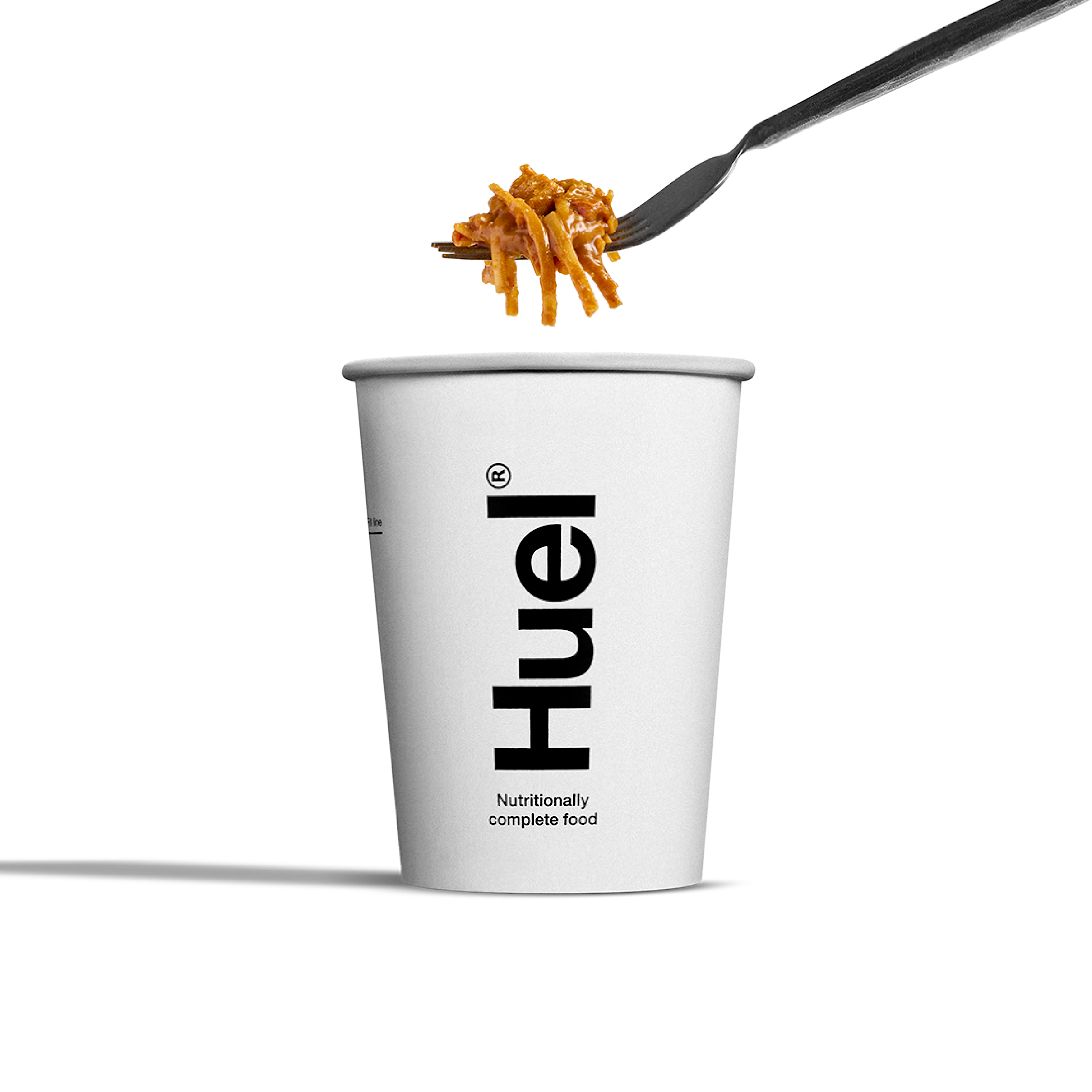

On-the-go instant meals
Up to 25g protein
400 kcal per pot


Complete protein bar
Up to 15g protein
Up to 210 kcal per bar


Sparkling supergreens drink
42 vitamins, minerals & nutrients
25 kcal per can