.png?auto=format&compress=true&w=3840)

Black Edition Ready-to-drink
High-protein meal shakes
35g protein
400 kcal per bottle
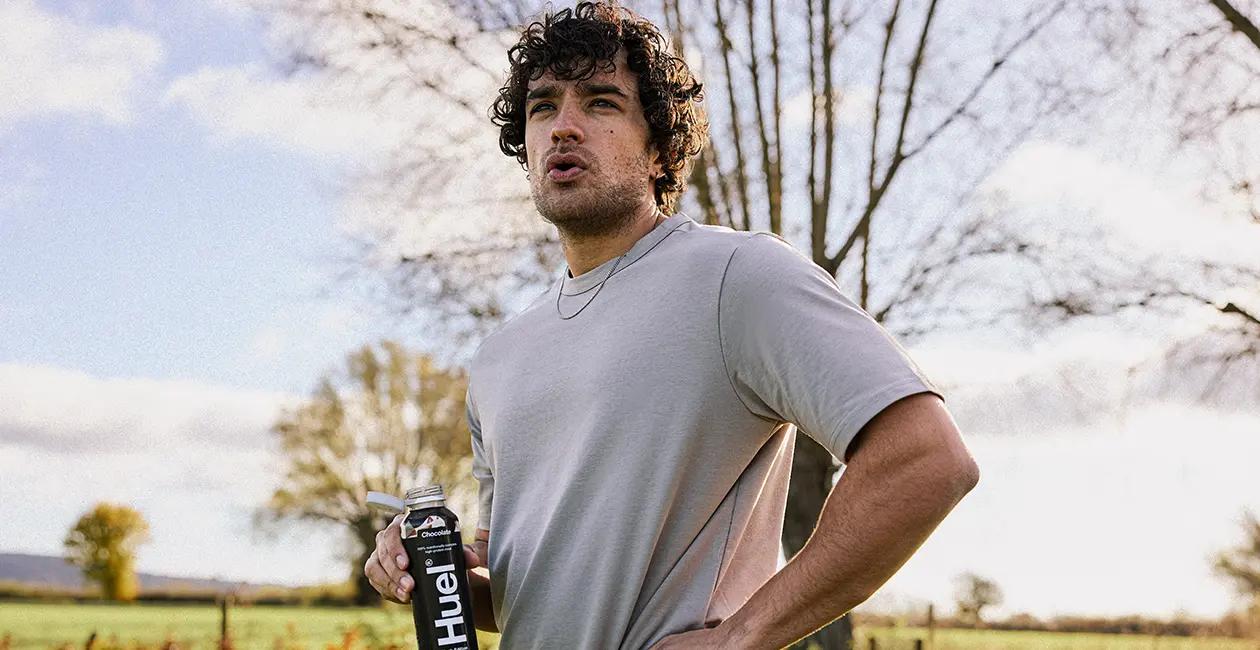
After several glorious weeks of freedom, it’s back to school again. Our nine healthy habits will make this the best school year ever.
Over the course of 12 months, small changes in your behaviour can have big consequences. And that’s especially true for kids and young adults.
According to a recent five-month study, children who did more physical activity and ate healthier food were not only physically fitter by the end, but they also did better in math and language tests.
Whether you’re a parent looking to help your kid, an older teen prepping for a big exam year, or a student looking to smash it at uni, there isn’t just one habit that will make you healthier. Instead, it’s more of a holistic thing — lots of changes in patterns of behaviour that add up to something bigger.
In this article, we’ve listed nine healthy habits that you (or your kids) can follow to get the most out of this school year.
September’s come around. You've got your new school, college, or uni gear ready. And you’re feeling a mixture of nerves and excitement about your first day back.
Here are nine habits that will help you get more out of your school year.
Setting yourself goals for the next school year can be really helpful. They give you something concrete to aim for, as well as that extra push to study or practice — even on days you’re not feeling super motivated.
By setting your sights on specific goals, you’ll start to develop routines that help towards achieving them. And, even if you don’t hit every single target, you’ll still see a big improvement and will have learnt a lot on the way.
Experts generally agree that setting realistic, achievable goals can be really helpful, but they should be child-led. While parents might have certain hopes and dreams for their kids, goal-setting seems to be most effective when targets are chosen by the child themselves.
Everyone’s different, so the goals you set for yourself will vary quite a lot. Here are some examples:
Whatever goals you set, they should be specific, realistic, and achievable. Vague ambitions (“get better at Spanish”) or unlikely goals (“get scouted to play for the national football team despite having never played before”) aren’t so helpful.
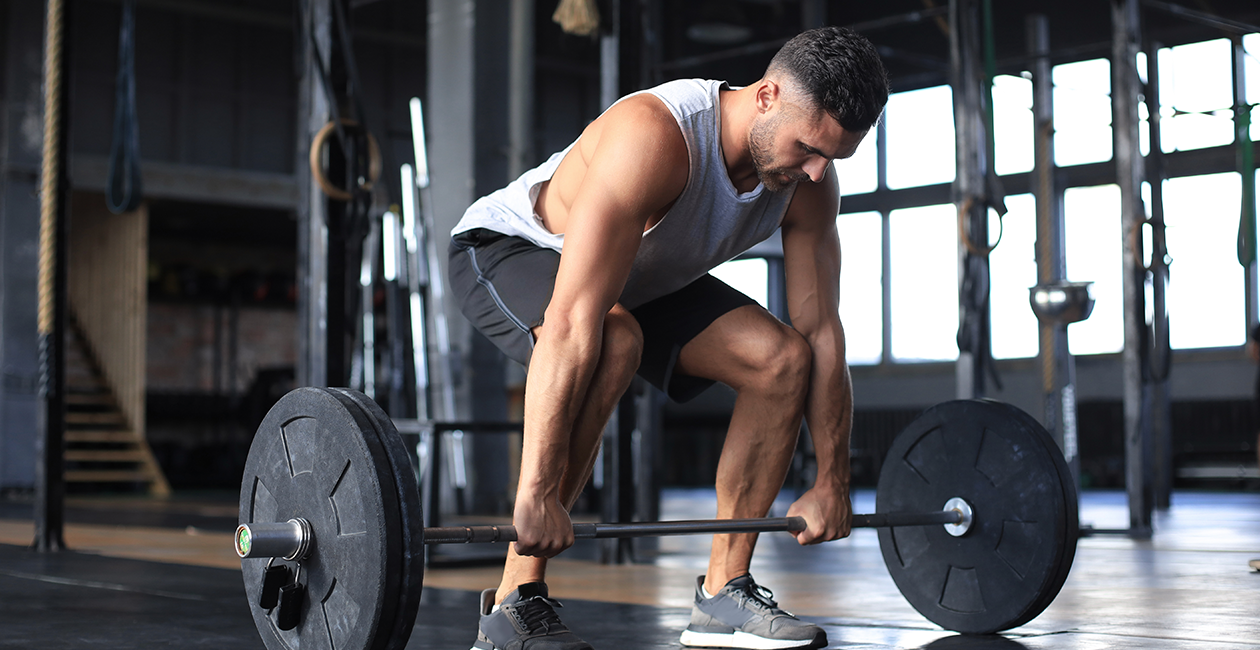
It’s super important for kids to be physically active. In the UK, the NHS recommends that all children and young people aged 5 to 18 get at least 60 minutes of physical exercise a day.
Regular exercise helps improve kids’ coordination skills, boosts bone and muscle density, means they’ll get enough vitamin D (if they exercise outdoors), boosts mental health, and reduces their risk of obesity. Oh, and it’s really fun too!
Sixty minutes might seem like a lot, but it can easily be achieved:

There is a huge amount of evidence that kids do better at school - and life in general - if they follow healthy eating habits.
It’s a big topic, but the essential points are fairly simple to remember:
By getting into the habit of eating healthy meals made with a variety of whole foods, school kids will get the nutrients they need to grow, play, and learn (and achieve their potential).
Learn more: The beginner’s guide to nutrition
Depending on their age, kids need from 1.2 to 2 litres of water per day (though they’ll need more if they’re playing lots of sport or the weather’s warmer).
Drinking enough water is essential for physical health, but it can also help with schoolwork. For example, one study found that on days when kids drank more water, they did significantly better on memory tests than on days they drank less.
To make sure you (or your kid) drink enough water, try to:
Having better study habits can help you get more out of your school year and mean you’re more likely to get the grades you want.
Now, people learn in different ways, so there isn’t a single study habit that works for everyone. But here are some general tips for homework and other kinds of self-directed learning.
Suggested: 7 habits to improve focus
This is a tough habit to change, but there’s quite a lot of evidence that high levels of screen time are linked to worse outcomes at school.
If you spend hours each evening watching videos or chatting with friends, you’re less likely to complete homework assignments or get enough sleep.
Here’s how to reduce your screen time:
Humans are social animals, and we get tons of benefits from spending time in the company of others. And it’s especially important for kids. Socialising boosts confidence, helps develop friendships, and gives you skills for life.
And despite the ability to chat to friends via social media or video games, nothing compares to socialising IRL. While digital communications are an essential part of modern life, real-world socialising helps kids learn to read non-verbal cues, resolve conflicts, and develop things like leadership and collaboration skills.
So, how can you get out there and socialise? There are endless possibilities, but here are some ideas to start:
Depending on their age, kids might need a little more help from their parents when it comes to hygiene and general healthy habits. By making good hygiene an instinct, kids can avoid unnecessary illness and discomfort:
Our understanding of mental health is better than ever, and it’s positive that many kids are learning to discuss their emotions in a way that simply didn’t happen in the past.
So, where to start? Here are some general tips for managing your mental health:
As you get into the swing of the new school year, there’ll be so much going on - from catching up with friends, to getting to grips with the new syllabus and figuring out your timetable. This means it’s often difficult to make changes once school starts up again.
So, by setting aside some time to think about healthy habits for this school year in advance, you’ll be more likely to stick with them and see the difference they make.
Good luck!
Words by Len Williams




Sign up to save £10 on your first order over £60 and be the first to hear about new products, exclusive offers, and more.