🔥 Bestseller
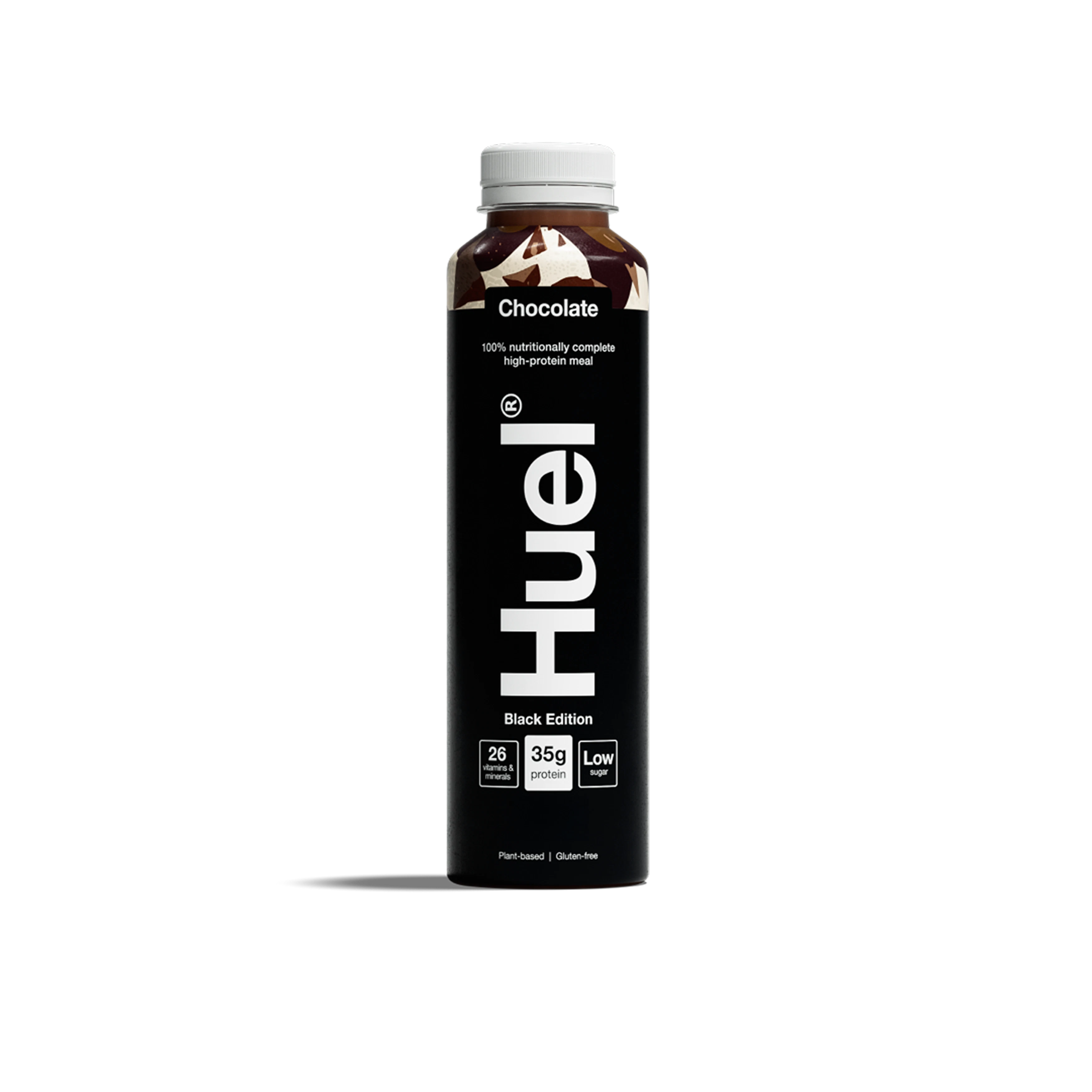

Black Edition Ready-to-drink
High-protein meal shakes
35g protein
400 kcal per bottle

Learning how to appreciate your body isn’t about forcing positivity or ignoring difficult feelings. It’s about developing a steadier, more compassionate relationship with your body — one rooted in respect, gratitude, and care.
In a world full of comparison and unrealistic expectations, body appreciation offers a more grounded alternative. Rather than focusing on how your body looks, it encourages you to value what your body does, how it supports you day to day, and how you can meet its needs with kindness.
This guide explores what body appreciation really means, why it matters, and how evidence-based habits — from gratitude practices to mindset shifts — can help you build self-acceptance over time.
Body appreciation refers to recognising and respecting your body as it is, including its abilities, limitations, and needs. It’s closely related to body image, but the focus is different.
Body image describes how you perceive and feel about your body’s appearance. Body appreciation goes beyond appearance. It centres on valuing your body for its functions, experiences, and role in your life — even on days when you don’t feel positive about how you look.
Unlike some interpretations of body positivity, body appreciation doesn’t require you to love every feature. It allows space for neutrality, mixed feelings, and gradual acceptance.
Research links higher body appreciation with better psychological wellbeing, lower body dissatisfaction, and healthier self-care behaviours.
From advertising to social media, we’re constantly exposed to narrow ideals about how bodies “should” look. Repeated exposure to idealised and edited images has been associated with higher levels of body dissatisfaction, particularly among young people.
Comparison is a natural human tendency, but when it’s fuelled by unrealistic standards, it can undermine self-acceptance and distort how we see our own bodies.
Many people develop habits of self-criticism early in life. Over time, focusing on perceived flaws can crowd out appreciation for what the body does well.
Persistent self-criticism has been linked to increased stress, anxiety, and lower self-esteem, all of which can make it harder to adopt supportive routines around food, movement, and rest.
Body image challenges often intensify during periods of change, such as:
Struggling with acceptance during these transitions is common. Body appreciation doesn’t eliminate those feelings, but it can help you relate to them with more understanding and patience.
Gratitude practices are associated with improved wellbeing and emotional regulation. When applied to the body, they help shift attention away from appearance and towards function.
Simple, evidence-supported approaches include:
Even short, consistent practices can support more positive body image over time.
Self-compassion involves responding to yourself with kindness during moments of difficulty, rather than judgement. Research shows that self-compassion is linked to greater body acceptance and healthier coping behaviours.
Ways to cultivate self-compassion include:
Self-compassion doesn’t mean giving up on caring for your health. It means removing shame from the process.

Body appreciation often grows through everyday care, not through changing how your body looks.
Needs change across different stages of life. Adjusting how you care for your body isn’t failure — it’s responsiveness.
Research suggests that focusing on what the body can do — rather than how it looks — is associated with better body image and higher appreciation.
Functional appreciation might sound like:
This shift doesn’t deny difficulty. It broadens the narrative.
Digital environments can shape body image for better or worse. Being selective about what you consume can help protect body appreciation.
Supportive strategies include:
If scrolling leads to self-criticism, it’s often a sign to pause and redirect attention to something grounding.
Body image struggles are common, but persistent distress deserves attention. Professional support may be helpful if body concerns are:
Therapeutic approaches such as cognitive behavioural therapy and self-compassion-based interventions have evidence supporting their use in improving body image.
Support can also come from trusted friends, peer groups, or community spaces that prioritise inclusion over appearance.
Appreciating your body isn’t about reaching a permanent state of confidence. It’s about developing habits and perspectives that allow respect and care to exist alongside difficult feelings.
By practising gratitude, building self-compassion, and focusing on function rather than appearance, body appreciation becomes something you return to — not something you achieve once.
Every body, at every stage, is deserving of care.
Edited by the Huel Digest team