✨ New flavours
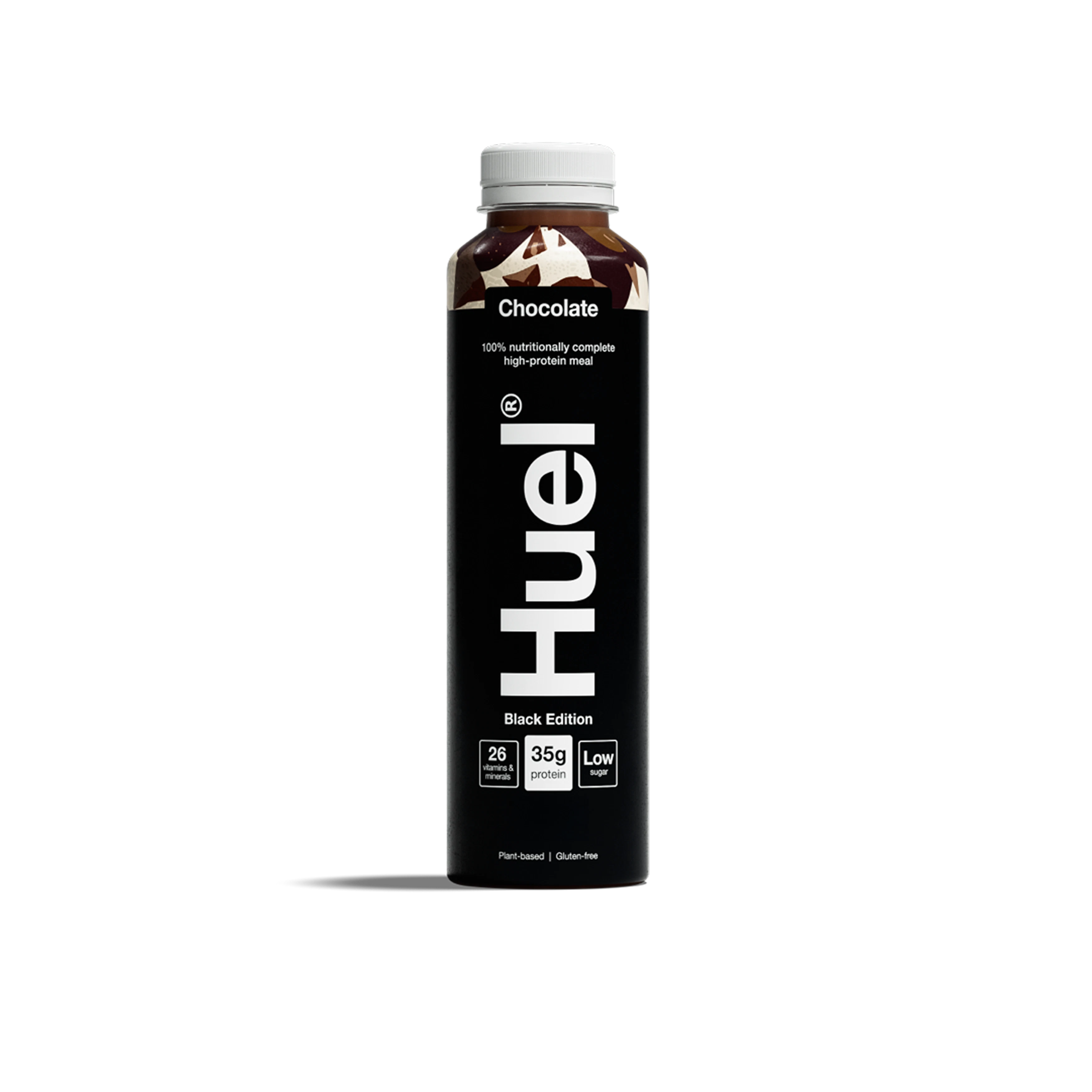

Black Edition Ready-to-drink
High-protein meal shakes
35g protein
400 kcal per bottle

Protein is one of the most talked-about nutrients in modern nutrition. From muscle growth and weight loss to general health, protein is often portrayed as the most important part of a “healthy diet.” But how much do we actually need—and how much of what we hear about protein is accurate?
Between fitness marketing, social media advice, and trendy diets, it’s easy to encounter conflicting claims. Can your body only absorb 30 grams of protein at a time? Are plant proteins inferior? Do you need high-protein foods to lose weight?
In this guide, we separate common protein myths from evidence-based nutrition facts, helping you understand what science really says about protein intake.
Protein myths are common because the nutrient sits at the intersection of fitness culture, nutrition science, and food marketing.
Several factors help keep misconceptions alive:
Supplement and fitness marketing
Protein powders and high-protein products have been heavily promoted since the rise of bodybuilding culture in the 1980s.
Diet trends
Popular diets often elevate protein while discouraging carbohydrates, reinforcing the idea that “more protein is always better.”
Outdated or oversimplified science
Older research findings—especially around protein timing or absorption—are frequently misunderstood or repeated without context.
Cultural perceptions
Large portions of meat are often associated with strength or health, regardless of actual protein needs.
Understanding the evidence behind protein intake helps separate useful guidance from nutrition myths.
Walk through a supermarket, and you’ll find “high-protein” labels on everything from cereal to ice cream. This can give the impression that most people are deficient in protein.
For most adults, protein requirements are relatively modest.
Recommended intake
Examples:
Certain groups may benefit from slightly higher intakes:
Older adults
Approximately 1–1.2 g/kg/day due to reduced muscle efficiency with aging.
Athletes or highly active individuals
Around 1.2–2.0 g/kg/day depending on training intensity.
However, surveys such as the UK National Diet and Nutrition Survey suggest that many Western diets already provide more protein than these recommendations.
While protein is essential, consuming large excesses does not necessarily provide additional benefits.
Potential considerations include:
For most people, meeting—but not dramatically exceeding—daily protein needs is sufficient.
One of the most persistent nutrition myths is that the body cannot absorb more than about 30 grams of protein at once.
In reality, the body absorbs nearly all protein consumed, regardless of meal size.
The myth comes from confusion between two different concepts.
Protein absorption
The digestive system absorbs almost all dietary protein.
Muscle protein synthesis (MPS)
Muscle-building processes may reach a peak stimulation at around 20–40 g of protein per meal, depending on body size and activity.
Protein consumed beyond that amount is not wasted. It may be used for:
While there’s no strict limit per meal, research suggests spreading protein across 3–4 meals per day may support muscle protein synthesis slightly better than consuming most protein in one sitting.
A practical guideline:
However, total daily protein intake remains the most important factor.
Another common misconception is that plant proteins are inferior because they’re “incomplete.”
A complete protein contains all nine essential amino acids in adequate amounts.
Many animal foods are complete proteins, but several plant foods also qualify, including:
Even plant proteins considered “incomplete” can provide all essential amino acids when consumed as part of a varied diet.
Older nutrition advice suggested carefully pairing plant foods (such as rice and beans) at each meal.
Modern research shows this is unnecessary. Amino acids consumed throughout the day contribute to the body’s overall amino acid pool.
As long as a diet contains sufficient calories and a variety of plant foods, protein needs can easily be met without animal products.

High-protein diets are often promoted as a fast track to weight loss. While protein can support appetite control, the effects are usually moderate.
Protein tends to increase satiety more than carbohydrates or fat. This may help reduce calorie intake in some people.
However, the effect varies widely between individuals and often decreases over time.
Large clinical studies suggest the benefits are modest.
For example, the POUNDS LOST trial found that higher-protein diets resulted in only about 1–2 pounds (0.5–1 kg) more weight loss over one year compared with standard diets.
Ultimately, total calorie intake remains the main driver of weight loss.
Protein can support dietary adherence, but it is not a metabolic shortcut.
Fitness culture often promotes protein intakes far above what research supports.
Some recommendations suggest 3–4 g/kg of body weight per day or more.
Scientific evidence suggests otherwise.
Meta-analyses of resistance training studies suggest muscle growth plateaus at approximately:
1.6–2.2 g protein per kilogram of body weight per day
Consuming more protein beyond this range generally provides little or no additional benefit for muscle gain, even for experienced lifters.
Resistance training consistency, progressive overload, and total calorie intake remain the most important factors for building muscle.
High-protein snacks have exploded in popularity, appearing in everything from yogurt and cereals to cookies and candy.
But higher protein content doesn’t automatically make a food healthy.
Some “high-protein” snack foods rely on a health halo while still containing large amounts of added sugar, saturated fat, or refined ingredients. As with any food, it’s important to consider the overall nutritional profile, not just the protein content.
A better approach is prioritizing whole, minimally processed protein sources, such as:
Protein supplements can be convenient tools for meeting protein needs. However, overall dietary quality still matters, and a balanced intake of whole foods or nutritionally complete foods remains important.
Protein is essential for health, but most people do not need extreme intakes or specialized high-protein foods.
A balanced approach focuses on meeting individual needs without overemphasizing a single nutrient.
Some common misconceptions include needing extremely high protein intakes, believing plant proteins are inferior, and thinking the body can only absorb 30 g of protein per meal.
Most adults need at least 0.8 g/kg/day, with higher intakes (around 1.2–1.6 g/kg/day) often recommended for active individuals or healthy aging, with higher needs for athletes and older adults.
Yes. A varied plant-based diet can provide all essential amino acids.
No. Muscle-building benefits generally plateau around 1.6–2.2 g/kg/day.
No. Protein can support satiety, but calorie balance remains the primary factor in weight management.
Understanding the science behind protein intake can help you focus on balanced nutrition rather than nutrition myths or marketing trends.
Edited by The Digest team