Maintaining a healthy heart is essential. It’s the engine that keeps your entire body running. Yet cardiovascular disease remains the leading global cause of death, responsible for around 17.9 million deaths each year [World Health Organization].
The encouraging news is that everyday nutrition choices play a powerful role in heart health, for better or worse. Understanding what to eat, and why, can help you take practical, meaningful steps towards a stronger, healthier heart.
TL;DR: Nutrition for Heart Health at a Glance
- A diet rich in fruits, vegetables, whole grains, healthy fats, and plant proteins supports cardiovascular health
- Core principles include eating more fibre, reducing sodium and added sugar, and prioritising unsaturated over saturated fats
- Replacing saturated fats with unsaturated fats may reduce heart disease risk by up to 30 percent
- Heart-healthy diets from the Mayo Clinic and Heart Associations focus on balanced patterns, not eliminating individual foods
- Aim for less than 2,300 mg sodium per day, ideally closer to 1,500 mg, and at least five portions (400 g) of fruit and vegetables daily
- Sustainable habits such as meal planning, smart shopping, and exploring diverse cuisines make heart-healthy eating achievable
Why Nutrition Matters for a Healthy Heart
Diet influences every heartbeat, from how arteries function to how the body manages cholesterol and blood pressure. Nutrition sits at the centre of both heart disease prevention and long-term cardiovascular health.
How diet influences heart disease risk
Heart disease is not driven by genetics alone. Lifestyle factors, particularly diet, play a dominant role. Research consistently shows that dietary patterns high in processed meats, trans fats, added sugars, and salt increase the risk of heart attacks, strokes, and atherosclerosis, the narrowing and hardening of arteries.
- By the numbers: Cardiovascular disease causes around 17.9 million deaths worldwide each year (WHO)
- What the science shows: Diets high in saturated and trans fats, sugar, and salt raise cholesterol, increase blood pressure, and promote inflammation within artery walls. Diets rich in fibre, unsaturated fats, and plant foods significantly reduce these risks
Population studies comparing traditional Mediterranean-style diets with Western dietary patterns show striking differences in cardiovascular disease rates. The takeaway is simple: food choices matter.
Essential Nutrients for Heart Health
Not all fats, carbohydrates, or calories affect the heart equally. These nutrients have the strongest evidence for cardiovascular protection:
- Fibre: Particularly soluble fibre from oats, pulses, fruit, and seeds helps lower LDL (“bad”) cholesterol and supports blood vessel health
- Healthy fats: Unsaturated fats from olive oil, nuts, seeds, and oily fish improve blood lipid profiles and reduce inflammation
- Plant proteins: Beans, lentils, soy, and other plant proteins are linked to healthier arteries and lower cholesterol levels
- Antioxidants: Found in deeply coloured fruits, vegetables, nuts, and seeds, antioxidants help protect arteries from oxidative damage
- Lower sodium: Excess salt raises blood pressure, a major risk factor for heart disease
- Balanced patterns: Diets focused on variety and moderation outperform chasing single “superfoods” or nutrients
Core Principles of a Heart-Healthy Diet
The strongest evidence supports overall dietary patterns rather than individual foods. Building a heart-healthy routine starts with what you eat most often.
Building your heart-healthy eating pattern
A heart-healthy plate typically includes:
- Colourful fruits and vegetables, at least five portions (400 g) daily
- Whole grains such as oats, brown rice, whole wheat, and quinoa
- Plant-based proteins including lentils, beans, chickpeas, tofu, and tempeh
- Moderate amounts of lean protein such as fish and skinless poultry
- Unsaturated fats from avocado, olive or rapeseed oil, nuts, and seeds
- Low-fat dairy or fortified plant alternatives
Flexibility matters:
- Vegetarian and vegan diets can be highly heart-healthy when well planned
- Omnivorous diets benefit from adding more plant foods and fish while reducing red meat
- Cultural traditions such as Mediterranean and many Asian diets naturally align with these principles
Both the American Heart Association and Mayo Clinic heart-healthy diets promote balanced, plant-forward eating without overly restrictive rules.
Healthy Fats vs Unhealthy Fats
Fat itself isn’t harmful. The type of fat matters most for cardiovascular health.
- Unsaturated fats: Olive oil, rapeseed oil, nuts, seeds, flaxseed, and oily fish support healthy cholesterol levels and reduce inflammation
- Saturated fats: Butter, high-fat dairy, fatty meats, and many processed foods raise LDL cholesterol
- Trans fats: Found in some baked goods, fried foods, and processed snacks, these pose the highest heart disease risk
Simple swaps:
- Butter → olive or rapeseed oil
- Cream → avocado or yogurt
- Processed snacks → nuts or seeds
For people concerned about atherosclerosis, limiting saturated and trans fats is particularly important. Heart-healthy diets for artery health emphasise fibre, fish, and plant oils.
Managing Sodium and Added Sugar
Excess sodium and added sugar quietly undermine heart health.
- Sodium guidelines:
- General adult limit: 2,300 mg per day
- Ideal target: 1,500 mg per day, particularly for those with high blood pressure [AHA]
- Added sugars: Sugary drinks, sweets, some breakfast cereals, and processed foods are major sources. Aim to minimise intake and read ingredient lists carefully.
Practical tips:
- Cook more meals at home to control salt
- Use herbs, spices, lemon, and garlic for flavour
- Compare food labels and choose lower-sodium options
Lean Protein and Fibre-Rich Choices
A heart-healthy diet prioritises plant proteins and fibre:
- Legumes: Beans and lentils provide protein, fibre, and minerals that help lower cholesterol
- Fish: Oily fish such as salmon, sardines, and mackerel supply omega-3 fats that reduce triglycerides and arrhythmia risk
- Plant alternatives: Tofu, tempeh, and edamame are excellent protein sources
- Lean poultry: Skinless chicken or turkey can be included in moderation
- High-fibre foods: Oats, berries, apples, pulses, and flaxseed support cholesterol control
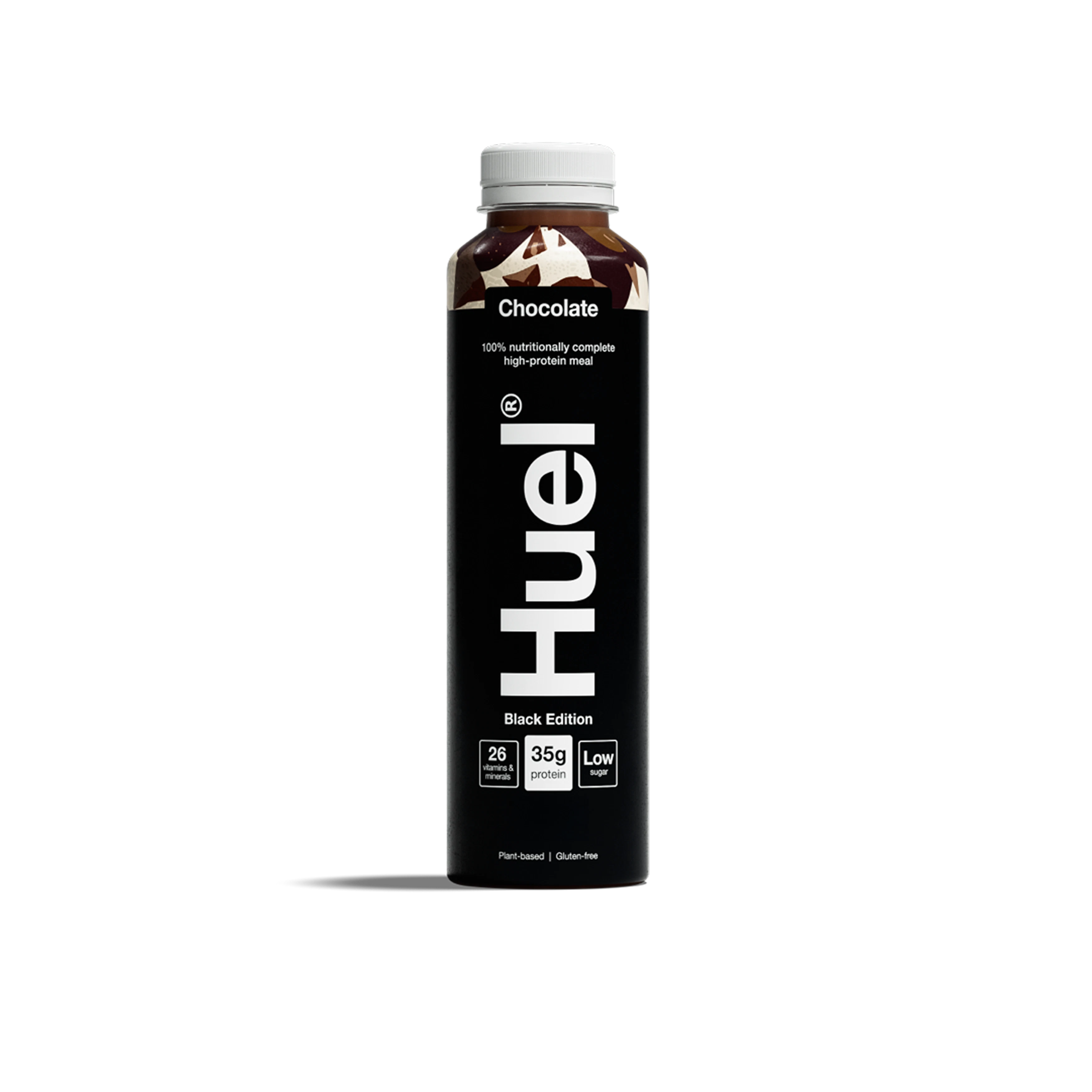
Adding plant protein is simple. Try beans in salads, lentil curries, hummus for snacks, or balanced meal options like Huel.
Heart-Healthy Food Guide: What to Eat and Limit
Foods to prioritise
- Fruits and vegetables
- Whole grains
- Legumes and plant proteins
- Oily fish
- Nuts and seeds
- Unsaturated plant oils
Huel provides balanced macronutrients, plant protein, fibre, essential fats, and vitamins in a convenient, easy-to-track format.
Foods to limit
- Processed meats such as sausages, bacon, and salami
- Fried foods including chips, crisps, and battered items
- Highly processed snacks high in salt, sugar, and unhealthy fats
- Sugary drinks and sweetened beverages
- Full-fat dairy and cream
- Highly refined grains like white bread and pastries
Practical Tips for Heart-Healthy Eating Every Day
- Plan meals ahead with variety in mind, aiming for vegetables to fill half your plate
- Batch-cook soups, stews, and grain salads
- Swap white rice for brown rice or quinoa
- Choose tomato-based or yogurt sauces over cream
- Replace crisps and biscuits with fruit, nuts, or hummus
Eating out, packaged foods, and label reading
When eating away from home:
- Choose grilled, baked, or steamed options
- Ask for sauces and dressings on the side
- Look for cuisines with naturally plant-forward dishes
Reading labels:
- Sodium: Aim for under 120 mg per 100 g
- Saturated fat: Look for less than 1.5 g per 100 g
- Fibre: Choose foods with more than 3 g per serving
- Serving size: Check portion assumptions carefully
Culturally Diverse Heart-Healthy Meals
Heart-healthy eating spans cuisines:
- Mediterranean: Vegetable stews, grilled fish, bean salads, olive oil
- Asian: Tofu or fish stir-fries, vegetables, brown rice, light soy and ginger
- Latin American: Black bean chilli, quinoa and corn salads, avocado
- Middle Eastern: Lentil soup, hummus, tabbouleh, baked falafel
Exploring global flavours keeps meals enjoyable while nourishing the heart.
Common Heart Nutrition Myths Debunked
Is dietary cholesterol always harmful?
For most people, dietary cholesterol from foods like eggs or prawns has a modest impact on blood cholesterol compared with saturated fat intake. Eggs and shellfish can be enjoyed in moderation as part of a balanced diet.
Can one food or supplement reverse heart disease?
No single food or supplement can reverse heart disease on its own. Improvements seen in research involve comprehensive dietary patterns alongside lifestyle changes such as physical activity, stress management, and smoking cessation. Supplements cannot replace a balanced diet.
Getting Started: Your Heart-Healthy Action Plan
Small steps for lifelong heart health
- Start with one or two changes, such as adding an extra portion of vegetables or switching to olive oil
- Track habits with a food journal or app
- Seek guidance from a registered dietitian or trusted resources like the British Heart Foundation, American Heart Association, or Mayo Clinic
- Aim for consistency rather than perfection
The path to a healthier heart is built on small choices made repeatedly over time. Nourish your heart today, and it will support you for years to come.
Key takeaways
- Heart-healthy eating patterns rich in plants, fibre, whole grains, and unsaturated fats are strongly linked to lower cardiovascular risk
- Prioritise unsaturated fats and minimise processed foods, sodium, and added sugars
- Read labels, plan ahead, and enjoy a variety of global cuisines
- Focus on balanced dietary patterns rather than restrictive rules or “miracle” foods
- Small, sustainable changes deliver lifelong heart health benefits
Discover Huel products
Find your favourite Huel products