✨ New flavour
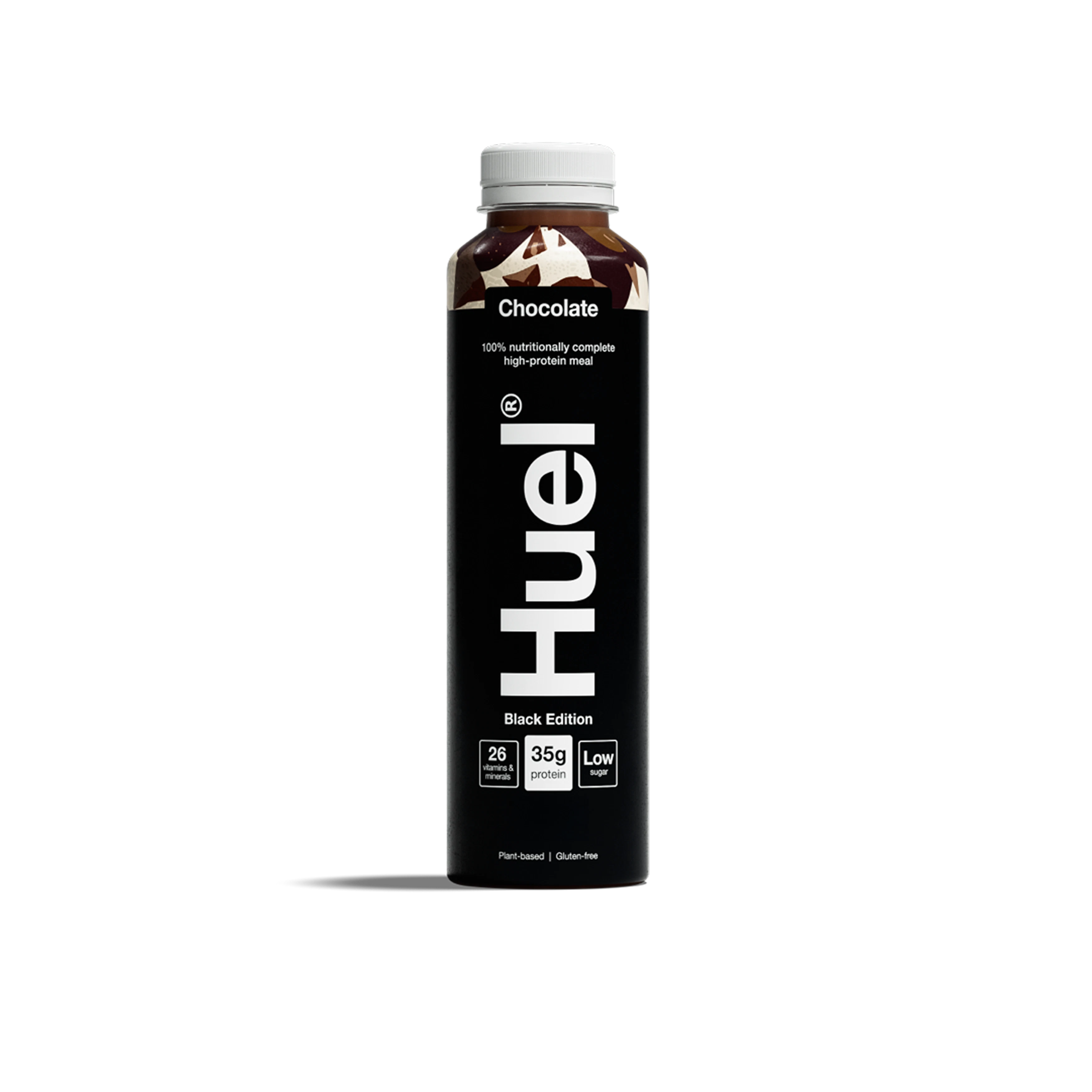

Black Edition Ready-to-drink
High-protein meal shakes
35g protein
400 kcal per bottle

Feeling hungry all the time can be distracting — and confusing — especially if you’re eating regular meals and still don’t feel satisfied.
Persistent hunger usually isn’t about willpower or portion size alone. More often, it’s linked to what you’re eating, how you’re eating, and everyday factors like sleep, stress, and hydration. Occasionally, it can point to something medical.
Here’s how to tell the difference (and what actually helps).
Hunger is your body’s way of asking for fuel — but when it feels constant, it’s worth looking closer at what’s driving it.
Physical hunger builds gradually and comes with signals like low energy, stomach growling, or feeling shaky.
Emotional hunger tends to appear suddenly and is often tied to stress, boredom, habit, or comfort — usually for specific foods.
Feeling “hungry” after eating can sometimes be emotional hunger rather than a genuine need for energy.
Protein tends to be the most filling part of a meal. Meals low in protein or fibre often lead to hunger returning quickly.
Fibre (from vegetables, fruits, whole grains, and legumes) slows digestion, while healthy fats help keep you satisfied.
Examples of filling meals:
It takes time for fullness signals to register. Eating quickly or in front of screens can make it harder to notice when you’ve had enough.
Habits that help:
Poor sleep and chronic stress disrupt hunger hormones, increasing appetite and cravings. Mild dehydration is also commonly mistaken for hunger.
Staying hydrated, managing stress, and prioritising sleep can make a noticeable difference.
New or intense exercise can temporarily increase appetite — especially if recovery nutrition is lacking. Choosing satisfying, balanced meals helps support both energy and recovery.

In most cases, adjusting diet and routines helps. Less commonly, persistent hunger may be linked to a medical issue.
Some medications can increase appetite, including certain antidepressants, corticosteroids, antipsychotics, and antihistamines.
If your appetite changes after starting or changing medication, speak to your doctor or pharmacist.
Speak to your GP if hunger is:
Keeping a short hunger diary can help guide the conversation.
Hunger is information, not a failure. Paying attention to the patterns behind it is often the first step towards feeling better.