✨ New flavour
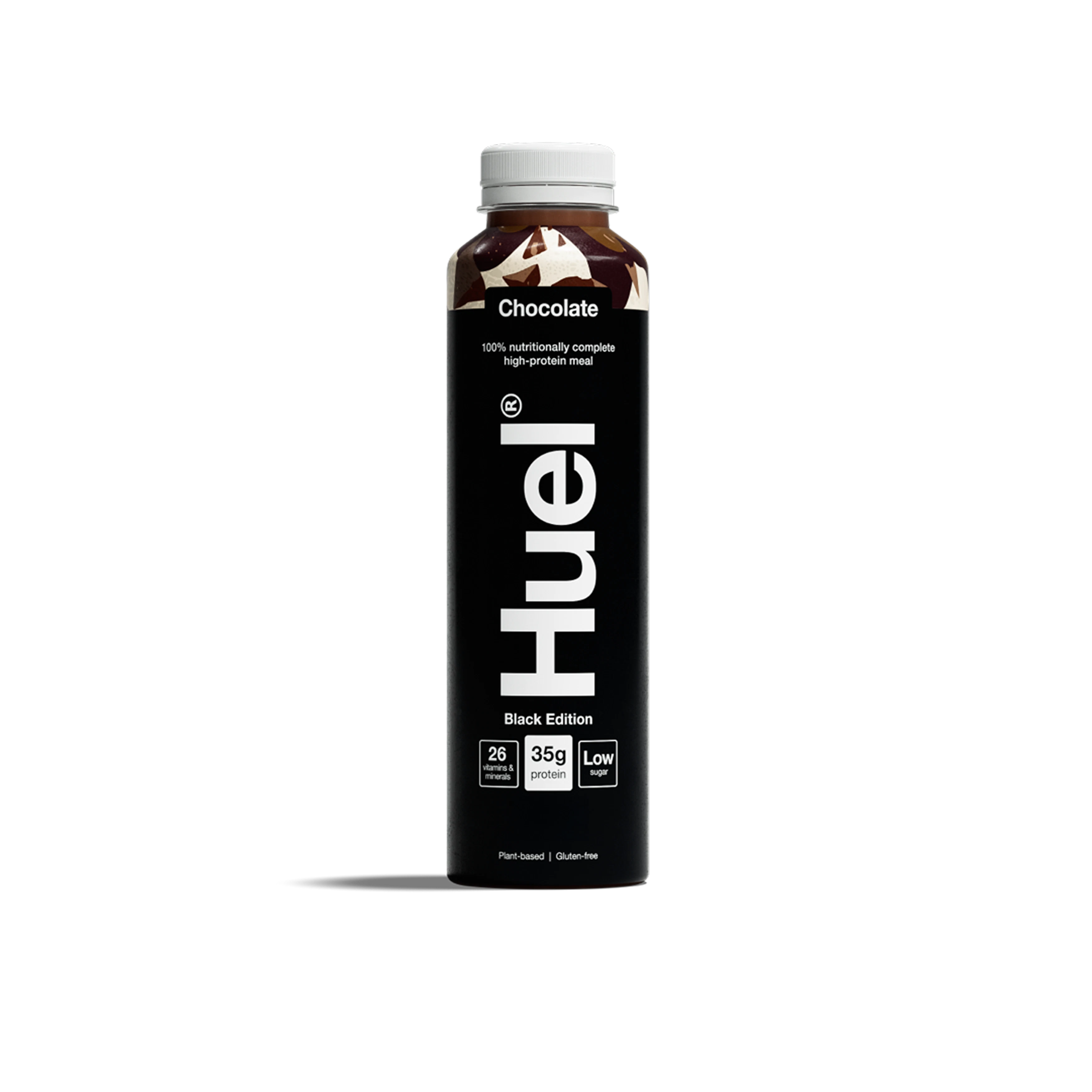

Black Edition Ready-to-drink
High-protein meal shakes
35g protein
400 kcal per bottle

What actually helps after a big night out — and what makes dehydration worse.
If you’ve ever woken up after a night out with a dry mouth, dull headache, and that unmistakable heavy fatigue, you’ve already met dehydration’s calling card.
Alcohol affects hydration in ways that go beyond “not drinking enough water.” To recover properly, it helps to understand what alcohol does to your fluid balance, why electrolytes matter, and how to rehydrate in a way that actually supports your body — not just your willpower.
Alcohol is a diuretic, meaning it increases fluid loss. It does this by suppressing antidiuretic hormone (ADH), which normally tells your kidneys to retain water. When ADH drops, your kidneys release more fluid than usual.
That extra fluid loss often carries electrolytes with it — minerals like sodium and potassium that help regulate hydration, nerve signals, and muscle function. This is why dehydration after drinking can feel more intense than dehydration from exercise or heat alone.
Even mild fluid loss can make you feel noticeably off. Common symptoms include:
After heavier drinking, several of these can show up at once — a sign your body is working to restore balance.

Rehydration isn’t about speed. It’s about steady replacement and retention.
Start slowly and consistently
If your stomach feels unsettled, sipping fluids regularly is more effective than forcing large volumes all at once.
Use electrolytes when needed
Because alcohol depletes both fluid and minerals, drinks with electrolytes can help rehydration work more efficiently. Options include:
Plain water still plays a role — electrolytes simply help your body make better use of it.
Eat something, even if it’s simple
Food helps the body retain fluids and replenish electrolytes. Gentle options include:
If nausea is present, start bland and build up gradually.
Helpful choices
Less helpful choices
There’s no universal number that works for everyone. Instead, use these signs as a guide:
If urine stays dark or symptoms linger, continue hydrating gently.
“Hair of the dog”
More alcohol may blunt symptoms briefly, but it prolongs dehydration and delays recovery.
Caffeine as a fix
A small coffee isn’t forbidden, but caffeine won’t rehydrate you. If you’re already dehydrated, prioritise fluids first.
Quick-fix supplements and IV drips
Electrolyte drinks can help when well-formulated, but most “hangover cures” lack evidence. IV fluids are reserved for medical dehydration and aren’t necessary for most people.
Seek urgent help if you or someone else experiences:
Most hangovers are uncomfortable, not dangerous — but severe dehydration is a medical issue.
Rehydrating after drinking isn’t about punishment or hacks. It’s about supporting your body’s natural recovery process: fluids, electrolytes, simple food, and rest.
Start gently. Stay consistent. And next time, if you can, begin earlier — water before bed and a glass between drinks can make the morning after far kinder.
Edited by The Digest team