✨ New flavour
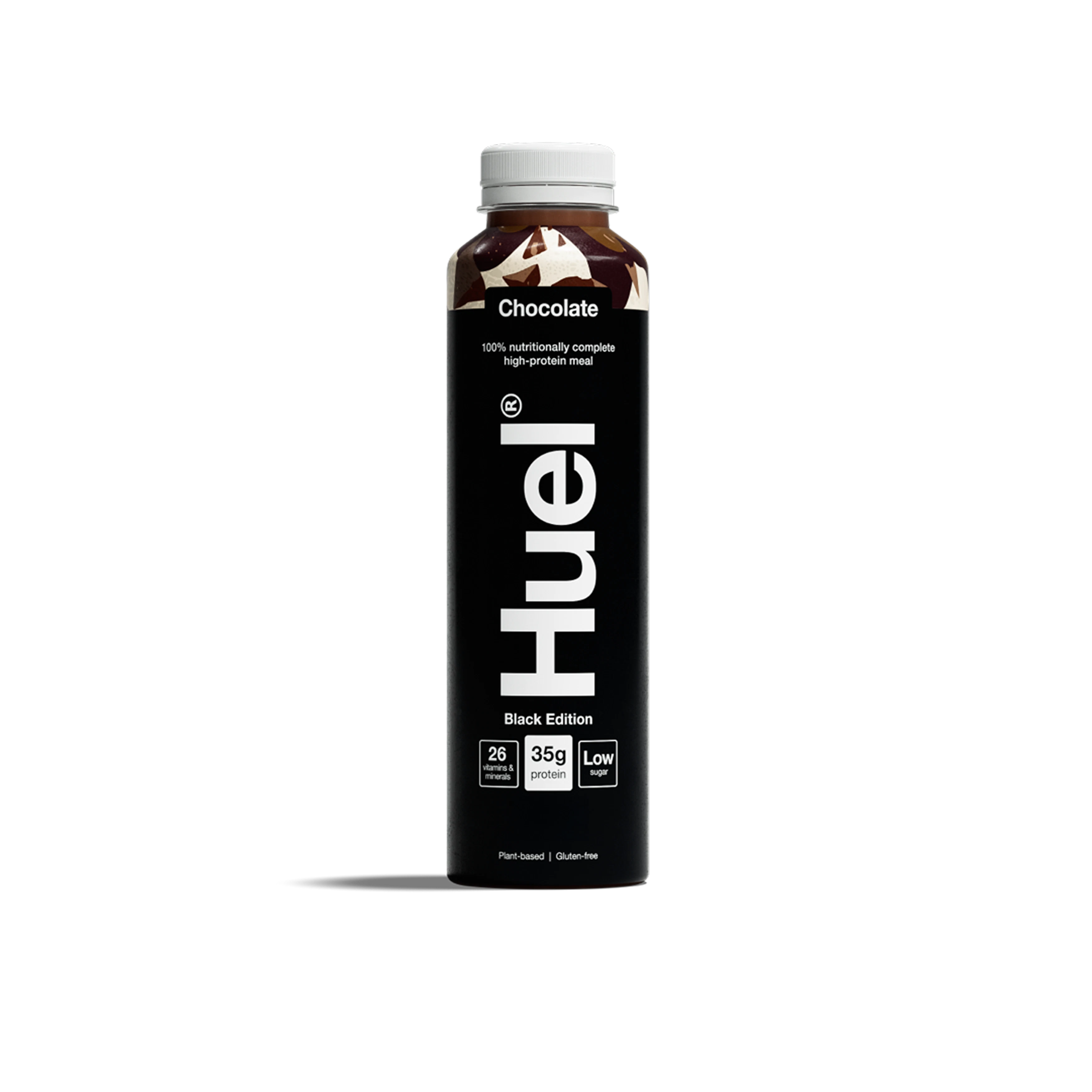

Black Edition Ready-to-drink
High-protein meal shakes
35g protein
400 kcal per bottle
Sunburn is extremely common. While prevention is better than cure, it’s important to know how to heal a sunburn in case it happens to you.
Wondering how to treat it? Keep reading for some science-backed remedies that could help.

You know when it’s happened. If you have pale skin, it’s going an angry red colour. It feels sore and prickly. It’s hot to the touch. And you’re kicking yourself for forgetting to slap on the factor 50.
Most people get sunburnt from time to time. A survey by the charity Melanoma Focus found that 49% of people in the UK experience it at least once per year - so you’re not alone.
But while the immediate symptoms are usually very unpleasant, it’s the long term consequences that are most worrying. Many studies have found a close link between frequent sunburn and a higher risk of developing skin cancer.
It goes without saying, but you should do everything you can to avoid getting sunburnt in the first place. But it’s easy to misjudge the weather, forget sun cream, or fall asleep on a sunlounger. In this guide, we’ll look at how to treat sunburn according to scientific research and trusted experts.
Read on to find out:
Sunburn is an inflammatory skin reaction that happens when your skin is overexposed to ultraviolet (UV) radiation.
Here’s what that means:
It usually takes about 3-5 hours for sunburn to show, and it typically peaks 24 hours after the burn happened.
So, how long should a sunburn last? It really depends on how bad the burn is.
There are three degrees of sunburn, depending on which layer of your skin has been damaged:
First and second-degree burns can usually be treated with home remedies and over-the-counter medication. Second-degree sunburns may sometimes warrant medical attention, especially if the blisters get infected.
We get it, sunburn isn’t a good look, so you’ll want to get rid of it ASAP. Unfortunately, there’s no known method for how to get rid of sunburn redness overnight—or even faster.
The reality is, your body needs time to heal. It has to get rid of the sheet of damaged skin and rebuild a whole new layer. There are no quick fixes here. It will just take a few days, or even weeks.

While it’s not possible to speed up your body’s sunburn repair process, you can help by making its job as easy as possible. Try the following tips and ideas to support your body’s natural processes.
This is easily the most important thing you can do. As soon as you realise you might be getting burnt, cover up and get into the shade.
Remember that it can take a few hours for sunburn to visibly appear - just because you’re not showing signs yet, doesn’t mean you’re not getting burned.
If you do get sunburn symptoms, stay out of the sun until the symptoms have completely cleared up. This can be frustrating (especially if you got burned on day one of a two-week beach holiday), but your newly formed layer of skin is delicate. Further exposure is only going to cause more damage.
If you have to go outdoors, keep your skin covered (particularly over the affected area) and be militant about suncream, hats, and sticking to the shade.
As it recovers from sunburn, your body needs to build a whole new layer of skin. It can do this best while you’re asleep. Try and get as much shut-eye as you can in the days after your sunburn. Eating a healthy diet and including some additional protein gives your body the nutrients it needs to build back efficiently.
That burning sensation you’re feeling is your body’s inflammatory response - and it’s a necessary part of how it repairs itself. Nonetheless, it can be really uncomfortable.
A cool bath or shower (on a low flow), or simply sponging yourself with a damp cloth, can relieve the discomfort.
These treatments won’t heal your sunburn, but they can soothe the sensation of inflammation. Most pharmacies sell various kinds of aftersun that are designed to relieve sunburn, and it’s safest to go with one of these.
Many people swear by aloe vera gels - this succulent plant is known to have anti-inflammatory properties (although there’s some doubt about quite how effective it is).
If you wish to use aloe vera, buy a gel from a reputable brand. While the aloe vera plant you might have growing on your windowsill contains the same stuff, it could also be carrying other bacteria you don’t want anywhere near your damaged skin.
To deal with sunburn, your body draws more fluids to the surface of your skin, where it may evaporate. That means you could become dehydrated more easily. The simple solution is to drink more water than usual. Drinks containing electrolytes can also be helpful, according to the Skin Cancer Foundation charity.
OTC medications can help with how to treat sunburn’s more uncomfortable symptoms. Anti-inflammatories like ibuprofen and pain relief like paracetamol can help with managing the soreness. If you find your skin is especially itchy, you could ask your pharmacist about antihistamines or hydrocortisone lotions. They can reduce the itchiness, meaning you’re less likely to scratch at newly formed skin.
As tempting as it is to pop blisters or pull at peeling skin, you should try your hardest to leave them be.
Popping a blister increases your chances of getting an infection, which could lead to complications. If you accidentally break a blister, wash it with soap and water, then cover it with a moist gauze.
Meanwhile, outer layers of peeling skin are still protecting the new, more delicate layer below. Let nature take its course and wait for it to fall off by itself.
As your skin repairs, it needs to be able to breathe. Choose lightweight, loose, soft and highly breathable clothing - fabrics made of cotton or bamboo are ideal. Avoid anything that fits tight to the skin as this can irritate it. Rough, heavy or scratchy clothing won’t help either.
There are lots of myths and misconceptions about how to get rid of sunburn fast. Here are some of the more important things to avoid:
Over the last few years, a number of studies have been published into the effects of certain foods on sunburn. Specific nutrients as well as entire diets appear to either have a slightly protective effect, or may help with recovery.
It’s important to stress that diet is not recognised as sunburn protection by any health authorities, and should not replace the usual methods (staying in the shade, wearing sun cream, using protective clothing, hats, and sunglasses). But it’s interesting to know that some foods could play a supporting role.
No one is claiming that diet can completely protect against or ‘cure’ sunburn. However, these studies only further support the notion of following a well-balanced, nutritionally complete diet.
Related: Why protein is the skin secret that beats any supplement
Even with the best of intentions, it is easy to get sunburnt. And, while prevention is always better than a cure, it’s valuable to have a plan for how to heal a sunburn if it happens.
By using these tips, you can be prepared in case you do get caught out, and give your body the best chances of a smooth recovery.
Words by Len Williams