✨ New flavour
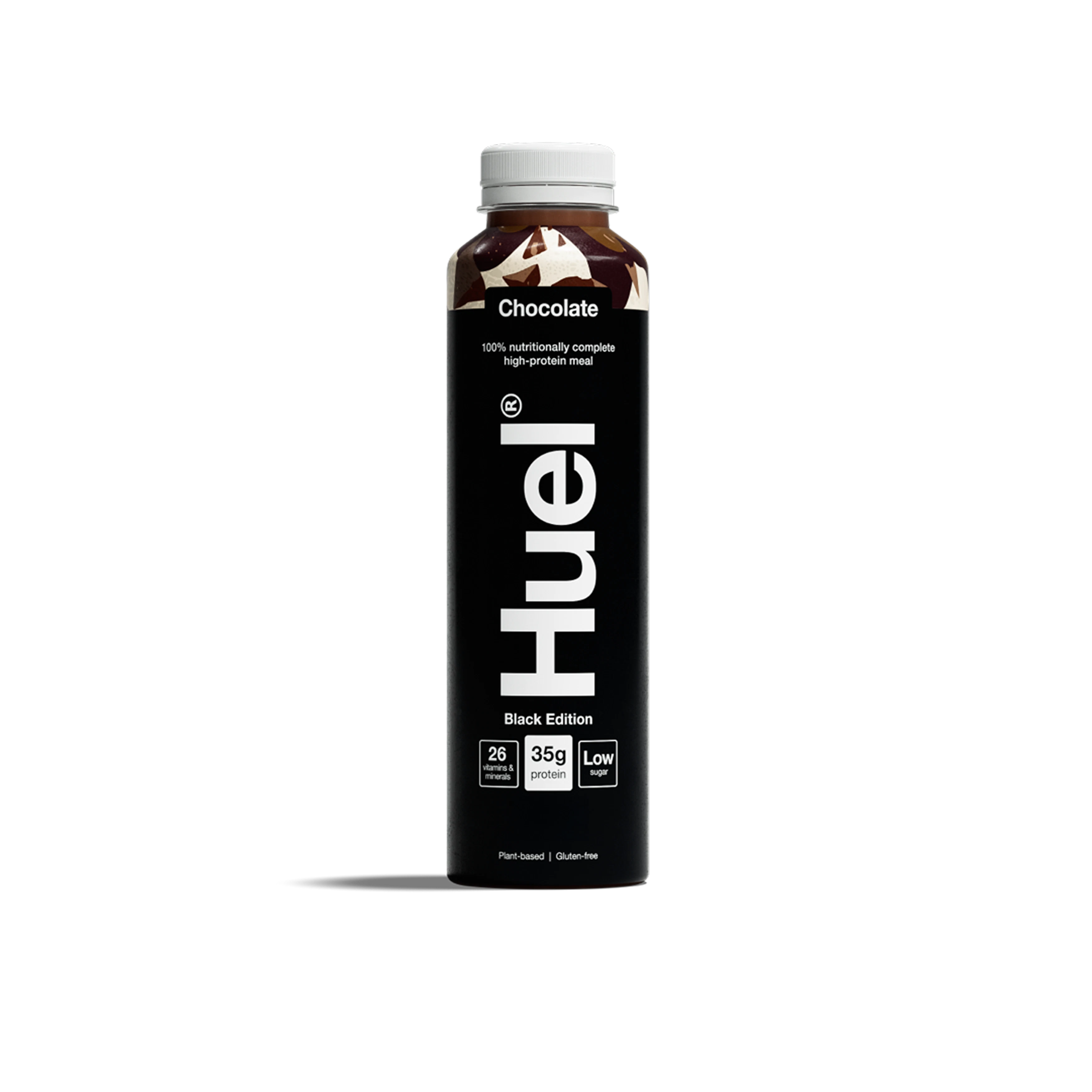

Black Edition Ready-to-drink
High-protein meal shakes
35g protein
400 kcal per bottle

Electrolytes have been getting more attention recently, and for good reason. These essential minerals support hydration, muscle function, and overall well-being, particularly in specific environments or at certain activity levels.
Despite their importance, not everyone needs to supplement them daily. For many people, a balanced diet and adequate fluid intake are sufficient to maintain healthy levels. Let’s break down what electrolytes are, what they do, and when it makes sense to supplement them.
Electrolytes are essential minerals that carry an electric charge when dissolved in fluids like blood, sweat, and urine [1]. They help regulate critical functions such as nerve impulses, muscle contractions, and fluid balance. Key electrolytes include:
🧠Nerve signalling- Electrolytes like sodium and potassium are vital for transmitting electrical impulses between nerve cells. Potassium, in particular, plays a key role in muscle contractions, especially in the heart [2]. Proper nerve function is essential for coordinating movement, regulating heart rhythm, and processing sensory information.
💧Hydration and fluid balance- Sodium and chloride, primarily found outside cells, help to regulate the volume of fluids surrounding cells and maintain blood pressure [3]. Potassium works alongside them to manage fluid balance within the body [2] and support optimal hydration.
💪Supporting muscle function- Calcium is vital for muscle contraction, and too little of it can lead to muscle cramps, stiffness, and reduced mobility [4]. Magnesium works as a counterbalance, helping muscles to relax after they contract [5].
Most of the time, your body, particularly your kidneys, does an excellent job of maintaining electrolyte balance. However, certain situations can disrupt this balance, and a supplement can be helpful. Electrolyte products come in various forms, including ready-to-drink options, tablets, or powders that can be mixed with water. For example, Huel Daily A-Z Vitamins combine essential vitamins, minerals, and electrolytes to help support daily intake.
✅ During prolonged or intense exercise: Sweating leads to fluid and electrolyte loss. Endurance training lasting over an hour, such as long runs, spin classes, or heavy weightlifting, may require electrolyte (and carbohydrate) consumption during or after exercise, potentially offering advantages over water alone [6].
✅ In hot weather or high humidity: Heat and humidity increase sweat loss and therefore sodium loss. Without proper replenishment, this can lead to fatigue, dizziness, or muscle cramps.
✅ During or after illness: Vomiting or diarrhoea can quickly deplete electrolytes. In these cases, a rehydration solution (like an electrolyte drink) can help replace what’s lost.

Most healthy individuals can meet their electrolyte needs through food and water. The following whole foods are excellent natural sources:
Under normal conditions, your body does a great job of regulating electrolyte levels through mechanisms like sweating and urination. However, imbalances, whether too high or too low, can disrupt normal function and cause symptoms such as:
If you experience these consistently, it’s worth consulting a healthcare professional.
The Bottom Line
While electrolyte supplements are widely available, most people don’t need them every day. A balanced diet and proper hydration are usually enough to maintain healthy levels. In certain situations, such as prolonged or intense exercise, hot weather, or illness involving fluid loss, electrolyte supplements can support recovery and performance. They’re not essential for everyone, but in the right context, they can be a smart addition to your routine.
Words: Jessica Stansfield RNutr, Huel Nutrition Manager
References
American College of Sports Medicine, Sawka MN, Burke LM, et al. American College of Sports Medicine position stand. Exercise and fluid replacement. Med Sci Sports Exerc. 2007;39(2):377-390.