Can I Ferment Foods At Home?
Hey Jess! I’m trying to improve my gut health and have been intrigued by the buzz around fermented foods. I'm unsure if I can make them myself at home. Any tips or advice?
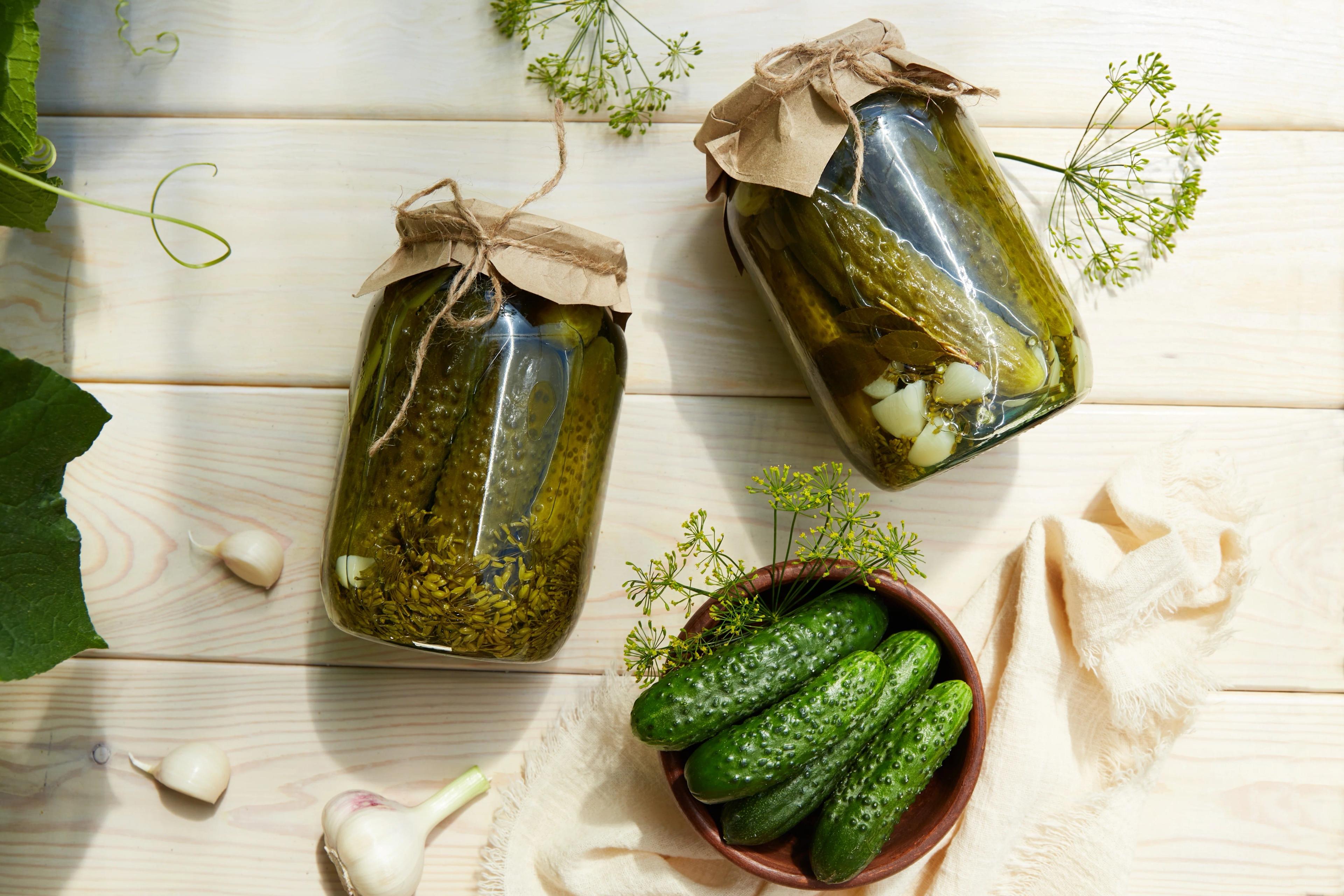
With the rising interest in gut health and the microbiome, fermented foods are getting their moment in the spotlight. Popular products like kefir and kombucha are everywhere these days, you might be wondering if you can join the trend right from your own kitchen!
Fermentation is an ancient preservation technique that uses beneficial microorganisms, like bacteria or yeast, to preserve food. This well-established practice has been used for thousands of years, proving it’s not just a fad. Let’s explore the basics of home fermentation and what you need to get started.
Before you can begin fermenting at home, you’ll need to know the three ways you can go about it:
Lacto-Fermentation:
Lacto-fermentation is a popular and easy way to ferment at home. This technique involves lactobacillus bacteria, which thrive in the acidic conditions created during fermentation. These bacteria convert the sugars in vegetables into lactic acid, preserving them, giving them a tangy flavour, and enhancing their probiotic content. It’s especially effective with vegetables, through two main methods, wet and dry fermentation. Both are a great starting point for anyone looking to try fermentation at home!
Wet fermentation:
Involves submerging vegetables into saltwater brine, creating an oxygen-free environment for lactobacillus bacteria. Think of pickles and kimchi, as classic examples.
Dry fermentation:
Here, you use salt to draw moisture from the vegetables, forming a natural brine in their own juices. This technique is commonly used for making sauerkraut.
Once you’ve chosen your method, it’s time to pick your vegetables.
What vegetables can you ferment?
- Sauerkraut: This classic fermented vegetable dish is made from shredded cabbage and salt. It’s a well-known condiment that’s both tangy and crunchy.
- Pickles: While cucumbers are traditional, you can ferment a variety of vegetables of your choice, carrots, beetroot, and radishes to name a few.
- Kimchi: A Korean staple, made from fermenting vegetables such as cabbage or radishes with spices. This condiment is renowned for its bold, spicy flavors and is a staple in Korean cuisine.
Lastly, you’ll want to make sure you have the right tools at home.
What do I need in my kitchen to ferment foods?
To get started with home fermentation, you’ll need a few essential items:
- Jars or Fermentation Crocks: Glass jars or ceramic crocks are ideal for fermenting. They keep your vegetables submerged and allow for easy monitoring of the fermentation process.
- Lids or Covers: Use airtight lids or breathable cloth covers to protect your fermenting foods while allowing gases to escape.
- Ingredients: Fresh vegetables, sea salt, and water are the basics. Optional additions like spices, herbs, and flavourings can enhance your ferments.
A basic wet lacto-fermentation recipe for you to try at home: Quick Pickles
- Sterilise the jar: Thoroughly sterilise the jar to prevent unwanted bacteria from spoiling your pickles.
- Prepare the vegetables: Slice, dice, shred, or grate your chosen vegetable into your preferred shapes.
- Make the brine: Mix 1-3 tablespoons of sea salt into 950ml (about 4 cups) of water. Adjust the saltiness based on your taste, experimenting to find the perfect balance. You can also add spices like dill, garlic, or peppercorns for extra flavour.
- Add to your jar: Place the vegetables in the jars, packing them tightly. Pour the brine over the vegetables. Since lacto-fermentation is anaerobic (needs an oxygen-free environment) it’s important to keep the vegetables completely submerged.
- Ferment: Seal the jars, and leave them at room temperature for 1-2 weeks, depending on your preference. You should notice bubbles forming, so it’s important to “burp” your jars by opening them slightly to release gas or keep the lids slightly loose.
- Transfer to Fridge: Once fermentation is complete, transfer the jars to the refrigerator.
TL;DR
Using ancient preservation techniques, fermenting foods at home is a simple and rewarding way to enhance gut health. Start with lacto- fermentation, which uses beneficial bacteria to turn vegetables like cucumbers and radishes into tangy, probiotic-rich foods. Essential tools include glass jars, airtight lids, sea salt, and fresh vegetables. To get going, try making quick pickles by submerging vegetables in saltwater brine, letting them ferment at room temperature for 1-2 weeks before refrigerating. There’s plenty to experiment with!
Words: Jess Stansfield RNutr, Huel Nutrition Team