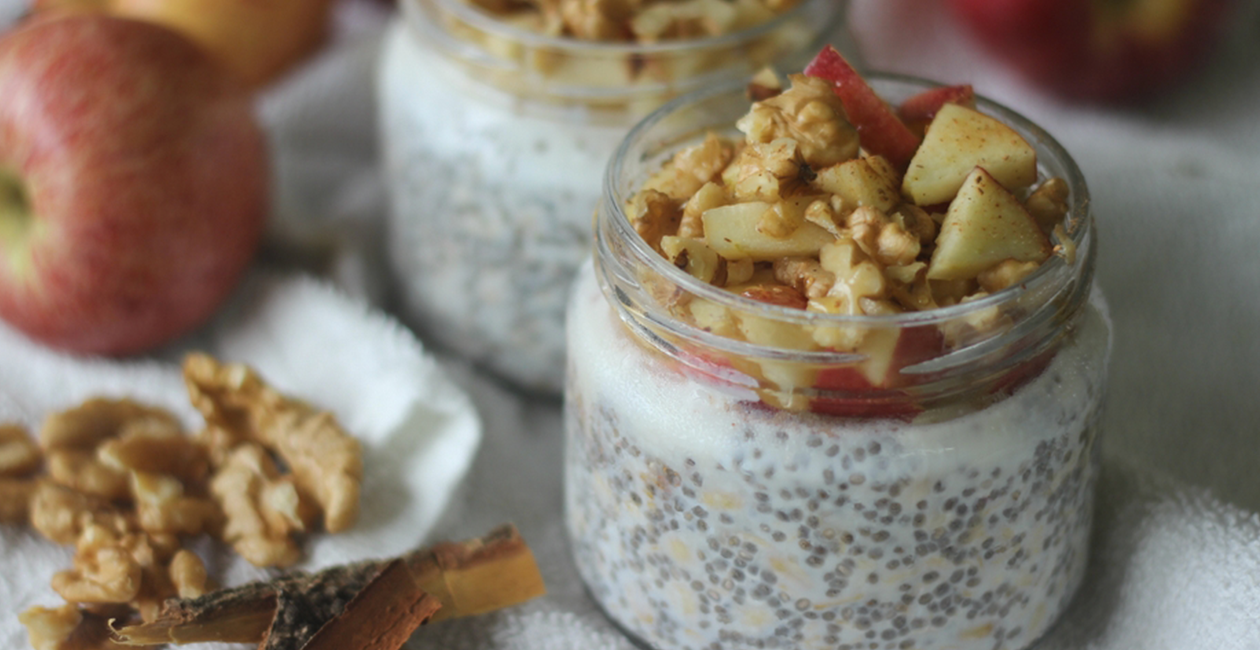
5 Easy Breakfasts for Chilly Autumn Mornings
Cold mornings deserve a proper start. Discover 5 easy autumn breakfasts that are warm, filling, and simple enough to make before you've fully woken up.
Social media hasn't just changed the way we connect with friends. It's also transformed who we look up to for fitness motivation. Fit-fluencers, the fitness creators with millions of followers, now shape workout trends, influence nutrition choices, and affect how we think about health, body image, and well-being. While they inspire millions to get active, their influence also comes with challenges.
Fit-fluencers inspire people to exercise, build healthy habits, and connect with supportive communities. However, they can also contribute to unrealistic body standards and spread misleading fitness advice. Follow creators who promote evidence-based information and a balanced approach to health.
Not long ago, personal trainers and fitness magazines were the main sources of workout advice. Today, that advice is available with a quick scroll. Many fit-fluencers started by sharing their own training routines or fitness journeys online. Over time, they've built huge audiences and now influence everything from workout trends to nutrition choices and confidence.
More than 80% of Gen Z and millennials follow at least one fitness influencer. Platforms such as Instagram, TikTok, and YouTube allow fit-fluencers to reach millions of people every day. Home workouts, nutrition tips, and daily routines can quickly go viral. Because creators share their progress, challenges, and everyday lives, many followers feel they have a trusted coach in their pocket.
One of the biggest benefits of fit-fluencers is their ability to motivate people to move more. Daily workouts, fitness challenges, and transformation stories encourage many people to start exercising or stay consistent with their routines. Whether it's a five-minute HIIT workout or trying weightlifting for the first time, fitness feels more accessible.
Many creators also share the difficult parts of their journey alongside their successes. This helps show that progress isn't reserved for elite athletes and that healthy habits can fit into everyday life.
The comments section often becomes more than a place for likes. Many online fitness communities offer encouragement, practical advice, and accountability. Followers celebrate each other's progress, share experiences, and motivate one another through challenges. These communities help many people feel supported throughout their fitness journey.
Social media often highlights the best moments, best lighting, and best angles. Constant exposure to idealised fitness content has been linked to increased body dissatisfaction, particularly among younger audiences. When creators don't show setbacks or everyday reality, it can create unrealistic expectations about what healthy bodies should look like.
The pressure to always train harder or never miss a workout can negatively affect mental health. Comparing yourself to carefully curated content may lead to anxiety, lower self-esteem, or unhealthy exercise habits. Messages that promote constant productivity or "no days off" don't reflect what most people need for long-term health.
Not every fitness influencer has formal qualifications. Research suggests that many popular fitness creators lack recognised health or fitness certifications. Some workouts may be unsuitable for beginners or based on personal experience rather than scientific evidence. Following advice without proper guidance can increase the risk of injury.
Before following fitness advice, take a look at who is giving it. Qualified creators often share recognised certifications such as REPS, ACSM, or ACE, discuss ongoing education, or collaborate with healthcare professionals. Be cautious of anyone promising quick fixes or dramatic results.
Look for creators who represent different body types, celebrate progress rather than perfection, and speak honestly about challenges. Influencers who prioritise health, strength, and well-being instead of appearance often create more supportive communities.
If you are considering significant changes to your training, diet, or supplement routine, speak to your GP or a registered dietitian first. Social media is a great source of motivation, but it should not replace personalised professional advice.
More creators are choosing to show the realities of fitness rather than only the highlights. Honest conversations about setbacks, mental health, and sustainable habits are helping redefine what fitness looks like. This trend encourages people to focus on feeling healthy rather than chasing perfection.
Artificial intelligence, wearable technology, and personalised fitness apps are changing the way people train. Fit-fluencers continue to influence which products and platforms become popular, but the most valuable creators combine innovation with evidence-based advice.