Mornings often set the tone for the day—but they’re also where some of nutrition’s most persistent myths live. Should you always eat breakfast? Are smoothies and black coffee automatically “good” or “bad”? Is loading up on protein and avoiding carbs the key to morning energy?
The reality is more nuanced. While nutrition advice has evolved over time, simplified rules and social media trends can make mornings feel more confusing than helpful. Understanding what the evidence actually says can help you build a morning routine that works for you.
Below, we unpack common morning nutrition myths, clarify what science supports, and share practical, evidence-informed guidance for a balanced start to the day.
TL;DR: Morning Nutrition Myths at a Glance
- Skipping breakfast isn’t harmful for everyone and doesn’t automatically cause weight gain or metabolic damage ([BMJ, 2019])
- Carbohydrates vary in quality; whole grains and fiber-rich carbs support sustained energy ([Journal of Nutrition, 2013])
- Coffee on an empty stomach is generally well tolerated by most healthy adults when consumed in moderation ([EFSA, 2015])
- Smoothies can be nutritious, but some are high in added sugars and low in protein or fiber ([USDA, 2022])
- Starting the day mildly dehydrated is common, and hydration supports cognitive and physical function ([Frontiers in Nutrition, 2020])
- Supplements aren’t necessary for most people unless addressing a diagnosed deficiency
Why Morning Nutrition Myths Persist
Nutrition advice around mornings is everywhere—from cereal ads to diet books to viral videos. Many myths persist because they’re simple, memorable, or rooted in older research that has since been refined.
Why these ideas stick
- Catchy messaging: Phrases like “breakfast is the most important meal of the day” are easy to remember, even if they oversimplify the evidence
- Diet trends: Intermittent fasting, low-carb diets, and other approaches can lead to conflicting advice about morning eating
- Evolving science: Nutrition science advances over time, but public recommendations often lag behind new findings
- Habit and culture: Morning routines are deeply ingrained, making long-held beliefs harder to question
Understanding this context makes it easier to evaluate advice critically—and adapt it to your needs.
Myth 1: Breakfast Is Always the Most Important Meal of the Day
Where the Idea Comes From
The idea that breakfast is essential for everyone gained popularity in part through early public health messaging and food marketing—not solely from strong scientific consensus.
What the Evidence Shows
- Mixed benefits: Regular breakfast consumption may support nutrient intake and concentration in children and adolescents.
- No universal rule for adults: A 2019 BMJ meta-analysis found no consistent evidence that skipping breakfast causes weight gain or metabolic harm in adults. Overall dietary quality across the day appears more important than any single meal.
Bottom line: Breakfast can be beneficial—but it isn’t mandatory for all adults. Hunger, lifestyle, and preferences matter.
Myth 2: Skipping Breakfast Is Bad for You
It’s often claimed that skipping breakfast slows metabolism or leads to fat gain. Research does not support this as a universal outcome.
What studies suggest
- Metabolism: Controlled studies show no consistent metabolic disadvantage from skipping breakfast in healthy adults ([BMJ, 2019]).
- Individual response varies: Some people feel low energy or overeat later; others feel no negative effects.
Who may benefit from eating breakfast
- Children and adolescents
- People with diabetes, hypoglycemia, or certain medical conditions
- Those who train intensely in the morning
Takeaway: If you’re hungry, eat. If you’re not, it’s reasonable to wait. Consistency and overall intake matter more than timing alone.
Myth 3: You Should Avoid Carbs in the Morning
Carbohydrates often get blamed for energy crashes, but the type and context matter more than timing.
Smarter carb choices
- Whole grains and fiber-rich carbs (oats, whole grain bread, fruit) digest more slowly and support steady energy ([Journal of Nutrition, 2013]).
- Balanced meals: Pairing carbs with protein and fat can help moderate blood sugar responses.
- Limit refined carbs: Sugary pastries or highly refined grains are more likely to cause short-lived energy spikes.
Conclusion: Carbs aren’t the enemy. Thoughtful choices support sustained morning energy.
Myth 4: Coffee on an Empty Stomach Is Harmful
For many people, coffee is the first thing they consume in the morning.
What the evidence says
- Digestive effects: Coffee does not appear to cause ulcers or significant harm in healthy adults, though some people experience stomach discomfort.
- Cortisol: Caffeine temporarily raises cortisol, but regular consumers typically adapt.
- Safety: Up to ~400 mg of caffeine per day is considered safe for most adults ([EFSA, 2015]).
Practical advice: If coffee causes jitters or discomfort, pair it with food. Otherwise, moderate intake is generally fine.
Myth 5: Smoothies Are Always a Healthy Breakfast
Smoothies can be nutritious—but they vary widely.
What to watch for
- Added sugars: Juice-heavy or sweetened smoothies can contribute excess sugar without much fiber ([USDA Dietary Guidelines, 2022]).
- Lack of protein or fat: These nutrients help promote fullness and steady energy.
How to build a balanced smoothie
- Use whole fruits instead of juice
- Add vegetables for fiber and micronutrients
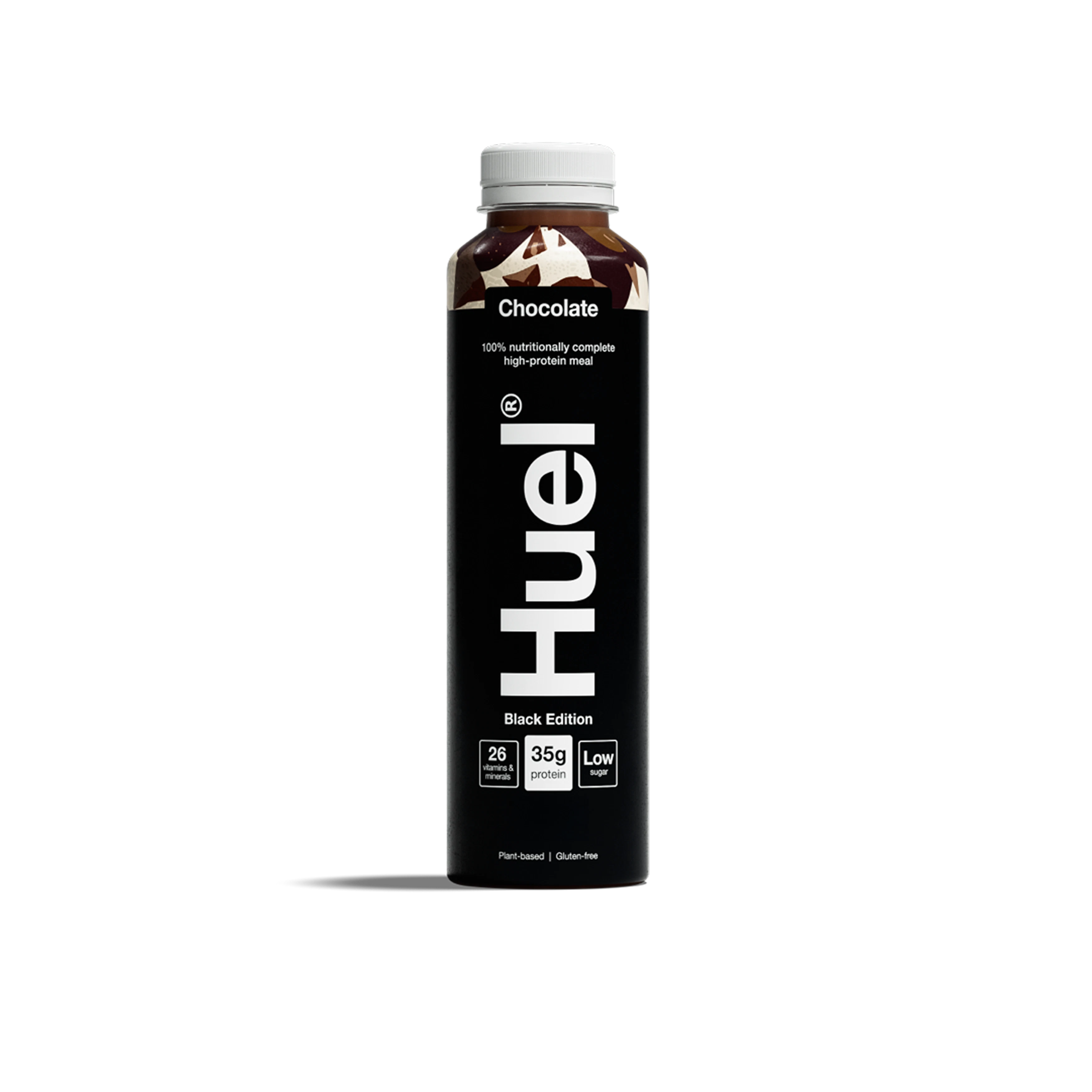
- Include protein (Greek yogurt, tofu, protein powder)
- Add healthy fats (nuts, seeds, avocado)
Summary: Smoothies can be part of a healthy breakfast when thoughtfully composed.
Myth 6: Small Morning Mistakes Ruin Your Energy
Hydration and variety matter
- Hydration: Mild dehydration after waking is common, and adequate fluid intake supports attention and physical performance ([Frontiers in Nutrition, 2020]).
- Diet diversity: Repeating the same foods or focusing narrowly on macros can leave micronutrient gaps over time.
Helpful habits
- Drink water soon after waking
- Rotate breakfast foods across the week
- Aim for balance, not perfection
Myth 7: Supplements Are Essential for a Good Start
Whole foods first
- Most people can meet nutrient needs through a varied diet.
- Supplements may be appropriate for specific deficiencies (e.g., vitamin D, B12, iron) when advised by a healthcare professional.
- Protein powders can be convenient but aren’t required for everyone.
Rule of thumb: Supplement based on need, not habit.
Evidence-Based Morning Nutrition Tips
- Start with hydration
- Eat when hungry, not by obligation
- Build balanced meals with carbs, protein, fat, and fiber
- Limit added sugars
- Prep ahead for busy mornings
- Rotate foods for nutrient variety
- Keep caffeine moderate
Conclusion: Building a Healthier Morning Routine
Morning nutrition isn’t about rigid rules—it’s about flexibility, awareness, and evidence. By letting go of outdated myths and tuning into your body’s needs, you can create a routine that supports energy, focus, and long-term well-being.
Key Takeaways
- Breakfast benefits some people, but isn’t mandatory for all adults
- Skipping breakfast doesn’t inherently slow metabolism
- Carbohydrate quality matters more than timing
- Moderate coffee intake is safe for most people
- Smoothies vary widely—composition matters
- Hydration and variety support better mornings
- Supplements should address specific needs, not assumptions