.png?auto=format&compress=true&w=3840)
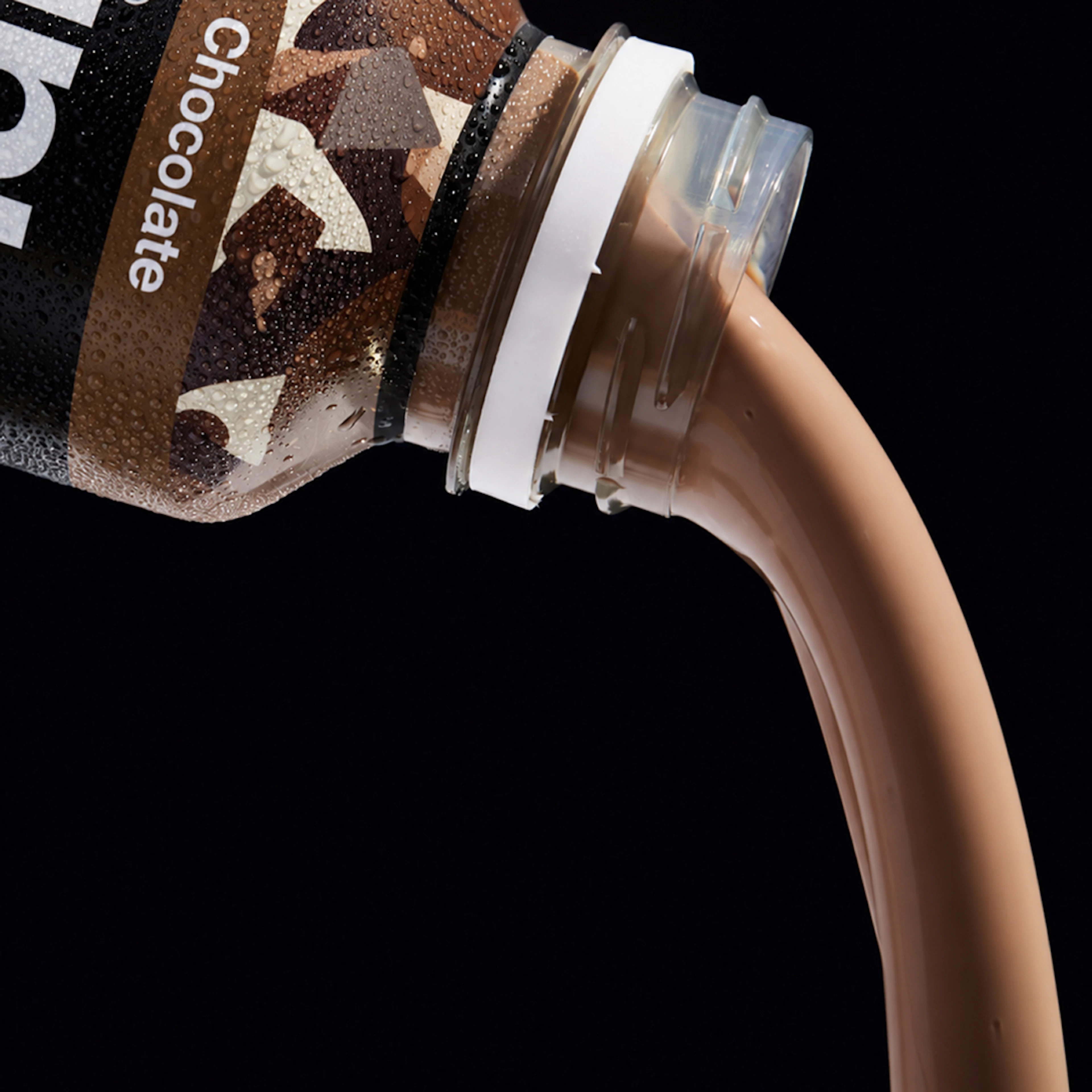
Black Edition Ready-to-drink
High-protein meal shakes
35g protein
400 kcal per bottle
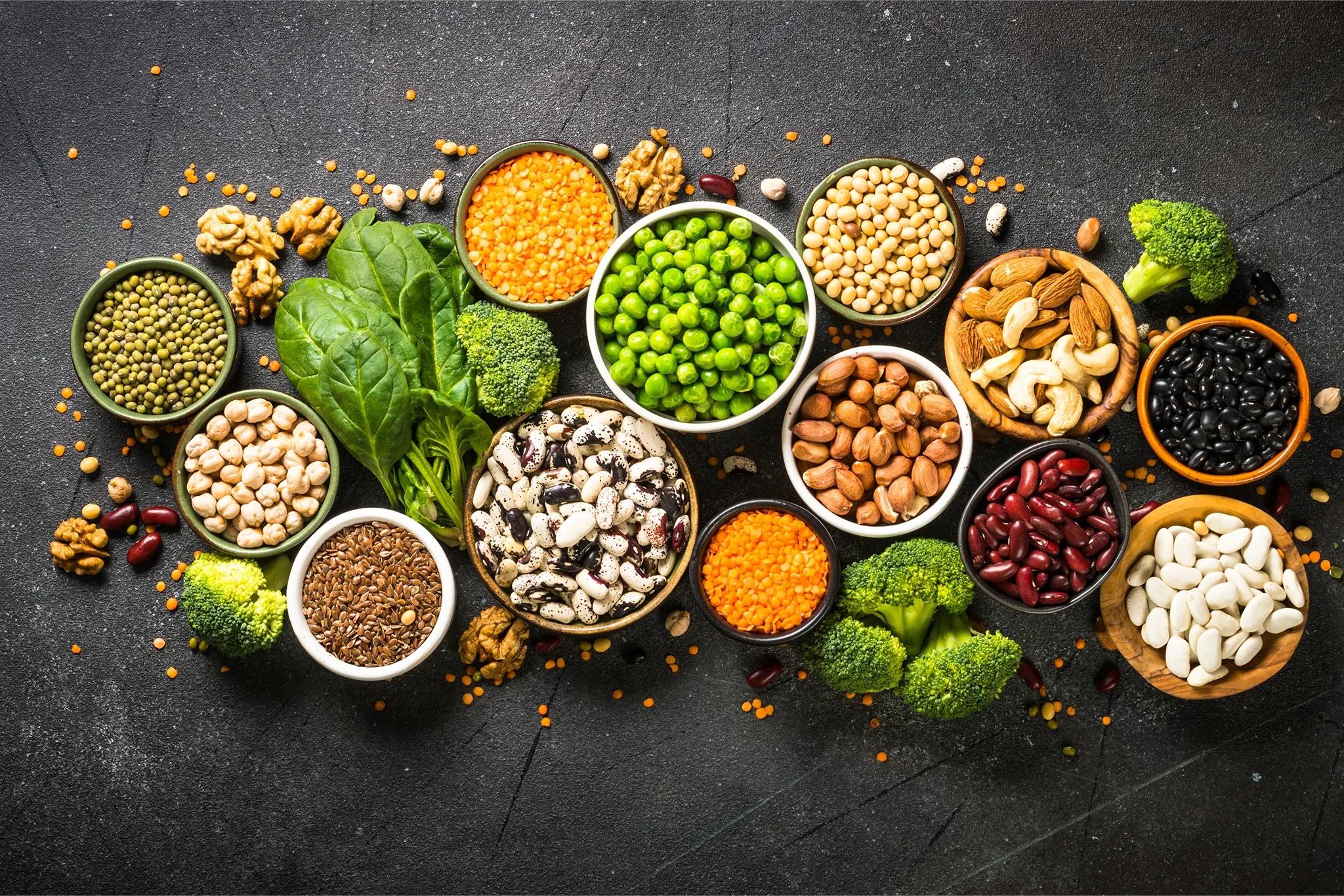
In the last few years, cellular nutrition has emerged as a health, wellness, and anti-ageing trend. What is it, how does it work, and do you need it?
Your body is made of trillions of microscopic cells that work together to keep you alive and kicking. To keep working optimally, your cells need energy and a wide variety of nutrients. Without the right nutrition, cells—and the chemical reactions that happen inside them—won’t work as effectively.
And this is where the increasingly popular concept of cellular nutrition comes in. Several companies have emerged in recent years that supply testing kits that aim to check the health of your cells and see if you have any deficiencies. If you’re short of anything, you can order personalised dietary supplements.
We sat down with Madeline Peck, RDN, CDN, and Senior Nutritionist at Huel, to learn more about this concept.
In this article, you will learn:
“Generally speaking, ‘cellular nutrition’ refers to the concept that our diet supplies the cells in our body with the essential nutrients they require to function optimally,” says Madeline.
She points out that: “Nutrition, at its core, is cellular nutrition, in the sense that both are about providing our bodies (and therefore cells) with the nutrients it needs to function properly”.
So, technically speaking, cellular nutrition isn’t any different from regular nutrition. In some ways, it’s a bit of a buzzword.
Does this mean it’s just a fad? Not exactly.
What’s unique about cellular nutrition is the focus on the needs of your cells. Proponents of cellular eating argue that, among the general public, there’s a lack of awareness about what our cells need to thrive and be healthy. If people know more about what their cells need, they’ll be more likely to eat things that support them.
When most people think about healthy eating, they often think about a plate with the five main food groups (fruit and veg, carbs, proteins, dairy, and fats). This is fine if you have a very varied diet. However, many people can eat all five food groups, but still be missing out on certain nutrients they need at the cellular level.
For example, your cells need Omega-3 fatty acids—they’re used to support your cells’ membranes (a barrier around each cell). Omega-3 primarily comes from oily fish, as well as certain nuts and seeds. However, if you don’t eat fish, nuts, or seeds, you’ll potentially be deficient in this important nutrient at the cellular level - even if your diet appears otherwise healthy.
The food you eat can have an enormous impact on the health of the trillions of cells in your body.
Madeline explains that: “The nutrients we get from our diet play all kinds of roles in maintaining the health of our cells, and therefore our bodies. Fats help make up our cell membranes, potassium helps maintain appropriate fluid balance in our cells, proteins are the building blocks of things like enzymes and hormones, antioxidants help protect our cells from free radicals,” and much more.
The easiest way to understand cellular nutrition is to think about deficiencies. If you don’t have enough of a specific nutrient, it will cause problems in how your cells work.
A well-known example is anaemia (AKA iron deficiency). Your cells use iron to create haemoglobin, a substance that allows your red blood cells to carry oxygen. If you don’t have enough iron in your diet, your blood cells don’t produce as much haemoglobin. That means they can’t transport oxygen as easily, and you’ll end up feeling tired, weak, and easily fatigued. A cellular healing diet would focus on increasing the amount of iron in your diet, so your red blood cells can produce haemoglobin effectively.
More nutrition: The importance of nutrition for your immune system

To understand cellular nutrition, it’s valuable to know how nutrients, minerals, and vitamins actually get into your cells and how they’re used.
Here’s a simplified breakdown of the process:
Related: A beginner’s guide to nutrition
As mentioned above, some cellular nutrition companies offer testing services that are intended to determine if you’re deficient in certain nutrients. They’ll then recommend cellular healing diets or provide personalised supplements based on your needs, age, gender, and other factors.
Some people find this a helpful and convenient way of ensuring they get all their essential nutrients, minerals, and vitamins for cell repair and general health.
Thinking about cellular nutrition might be particularly useful for certain kinds of people. For example:
Madeline explains that, when it comes to nutrition, “the first priority should be to make sure you are consistent with the basic pillars of a generally healthy diet.” While it can be interesting to dig down into the cellular level, it’s crucial to get the basics right first.
She points out that “only 5% of Americans are meeting daily fiber intake recommendations, and about 10% meeting fruit and vegetable intake recommendations, so finding ways to meet these needs is generally a good place to start in terms of eating to support your health. This means consuming a diet that prioritizes nutrient-dense foods (vegetables, legumes, lean protein, nuts, fruits, seeds, etc.) and limits foods that contain excessive amounts of added sugars, saturated fat, and salt.”
For Madeline, a “food-first approach is ideal when meeting your nutrient needs.” By following a varied, well-balanced diet, you should be able to get all the vitamins and minerals your cells require. If you’re generally eating well, you probably don’t need to worry too much about cellular eating.
However, she does agree that “additional supplements can be helpful if you are required to for a specific condition, have a vitamin or mineral deficiency, or have inadequate intake/absorption of certain vitamins and minerals.”
Using a cellular nutrition service is certainly an option here. However, it’s always best to check with your GP for advice first.
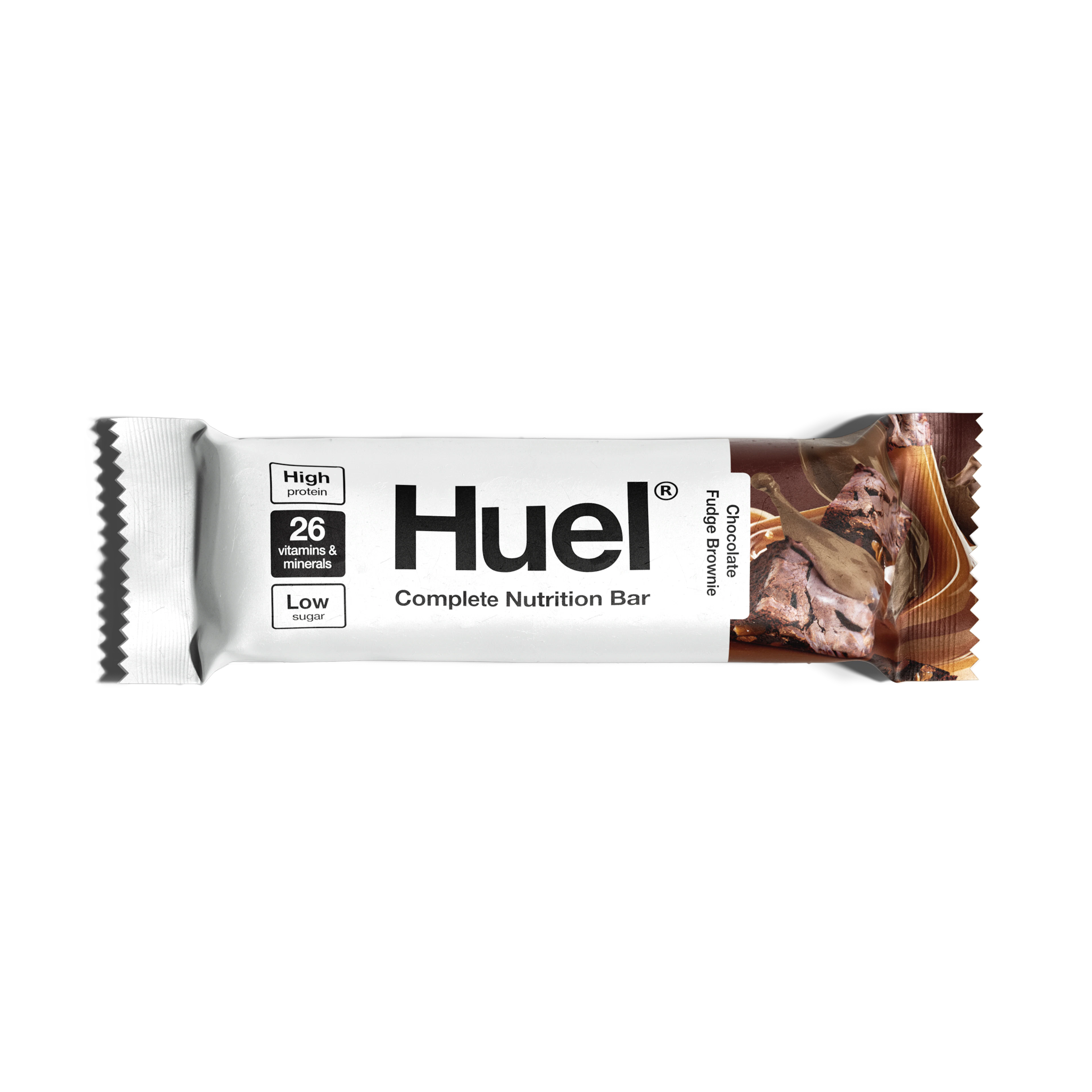
At Huel, all our meals are nutritionally complete. This means they contain all the macronutrients and micronutrients your body needs, including at the cellular level. They provide an ideal balance of carbs, protein, fibre, and essential fats, as well as 26 essential vitamins and minerals.
Generally speaking, we recommend a food-first approach and prioritising home-made meals produced with whole foods. However, Huel can really help if you’re short on time, are on the go, or don’t feel like shopping for, prepping, and cooking lots of different ingredients. In these situations, Huel gives you a better alternative to fast food or many kinds of shop-bought meals.
Whether you’re focused on cellular nutrition or just want another meal option, explore our range of nutritionally complete food for a simple, effective way to give your body what it needs.
Words by Len Williams