✨ New flavours
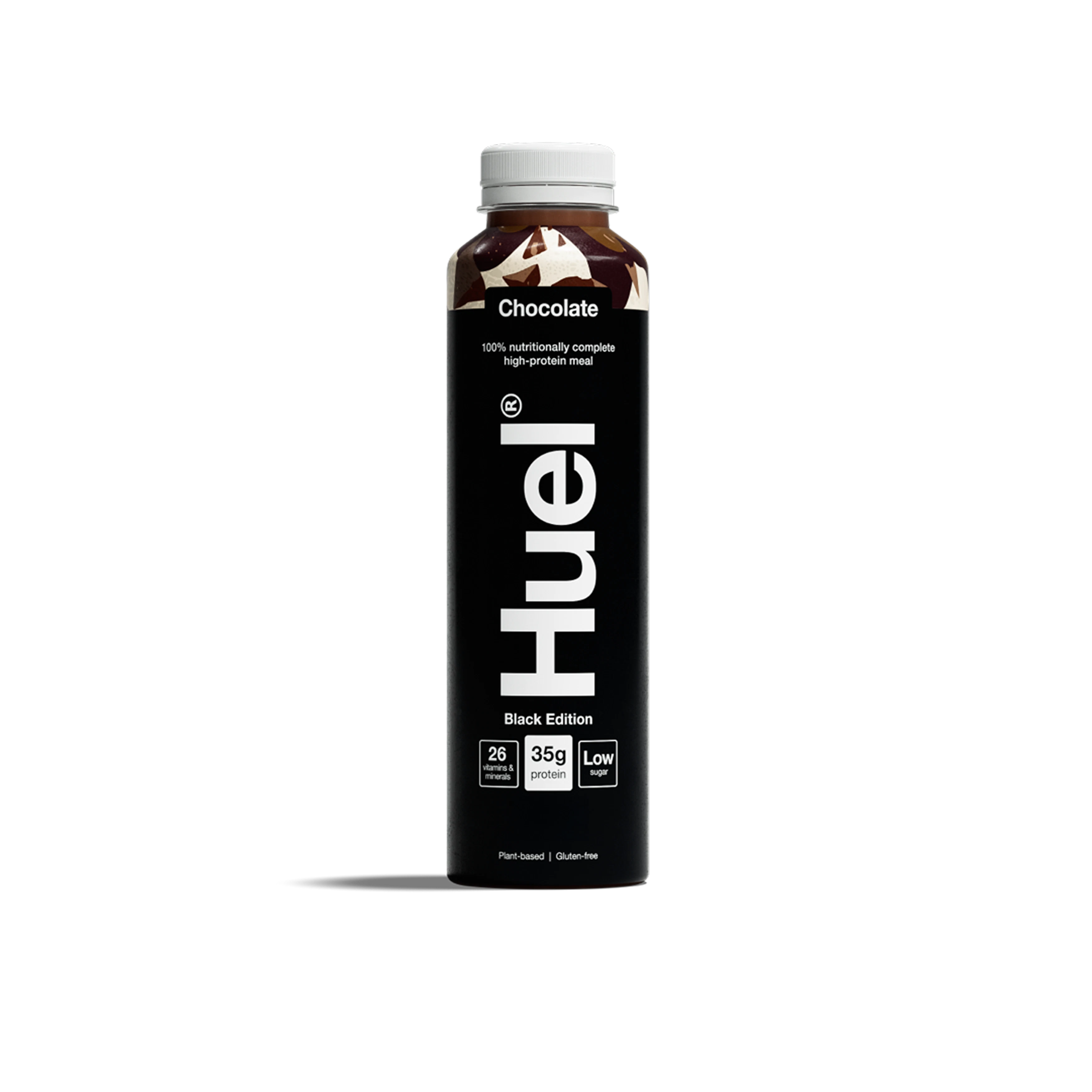

Black Edition Ready-to-drink
High-protein meal shakes
35g protein
400 kcal per bottle

The science behind daily habits, from your body clock to your cravings, plus simple ways to build rhythms that actually stick.
There’s a particular kind of tired that comes from chaos. Not the satisfying, “I did a lot today” tired — the other one. The scattered, slightly wired fatigue you feel when your sleep is all over the place, meals happen whenever, and your days have no clear edges.
If that sounds familiar, your body isn’t being dramatic. It’s biological.
Humans are rhythm-based creatures. We run on internal timing systems that like a predictable pattern: light and dark, wake and sleep, eat and digest, move and recover. When your days start to drift, those systems have to work harder to keep you steady — and that’s when you might notice energy slumps, mood swings, stronger cravings, and sleep that never quite feels “deep.”
Here’s what’s going on beneath the surface, and how to use it to your advantage.
Routine isn’t about living the same day on repeat. It’s simply regular cues your brain and body can rely on.
In short, routine isn’t rigid. It’s supportive.
The biggest driver here is your circadian rhythm — your internal 24-hour body clock. It coordinates a huge range of functions: sleep and wake patterns, body temperature, alertness, digestion, and the timing of hormones like melatonin (sleep) and cortisol (morning energy).
Your circadian rhythm takes its strongest cues from:
When these cues are relatively consistent, your body clock stays in sync. When they’re erratic — late nights, bright screens at bedtime, skipped breakfasts, unpredictable meal times — the signals get muddled. You can still function, but it often feels like running a phone on low battery while keeping ten apps open.
A disrupted routine doesn’t “break” your body, but it can make it harder for you to feel your best.
Sleep can suffer first. Inconsistent bedtimes can make it harder to fall asleep, stay asleep, and wake feeling restored.
Appetite and cravings may spike. Irregular sleep and meals can affect hunger hormones and blood sugar regulation, which may lead to stronger cravings — especially for quick energy.
Mood can feel more fragile. When your days lack structure, stress can creep in quietly. Routine provides small moments of certainty that act like psychological handrails, especially during busy or emotionally loaded seasons.
And importantly, none of this is a moral failing. It’s simply your body responding to the signals it’s getting.

Habit formation isn’t just about willpower. It’s about repetition.
When you repeat an action in the same context — a walk after lunch, a protein-forward breakfast, a short wind-down before bed — the brain starts to automate it. Over time, the behaviour requires less mental effort, which is why routine can make healthy habits feel more natural and less like a constant negotiation with yourself.
If you’ve tried routine before and it felt too strict, the answer isn’t to give up. It’s to go smaller and more flexible.
Start with one anchor.
Pick one thing to stabilise first: wake time, a consistent breakfast, or a 10-minute evening wind-down.
Use “bookends,” not a minute-by-minute schedule.
A simple morning and evening rhythm is often enough to steady your day.
Keep meal timing gently consistent.
You don’t need exact hours. Aim for a general pattern your body can anticipate.
Get outside early if you can.
Even a short dose of daylight in the morning supports your body clock.
Plan for imperfect days.
A sustainable routine has a version you can do when you’re busy, travelling, or low-energy.
Routine is often framed as restrictive. In reality, a good routine gives you more freedom — because you spend less energy constantly starting over.
You don’t need a dramatic overhaul. You need a few steady cues that tell your body, “You’re safe. We’ve got a rhythm again.”
Edited by The Digest team
✨ New flavours
High-protein meal shakes
35g protein
400 kcal per bottle
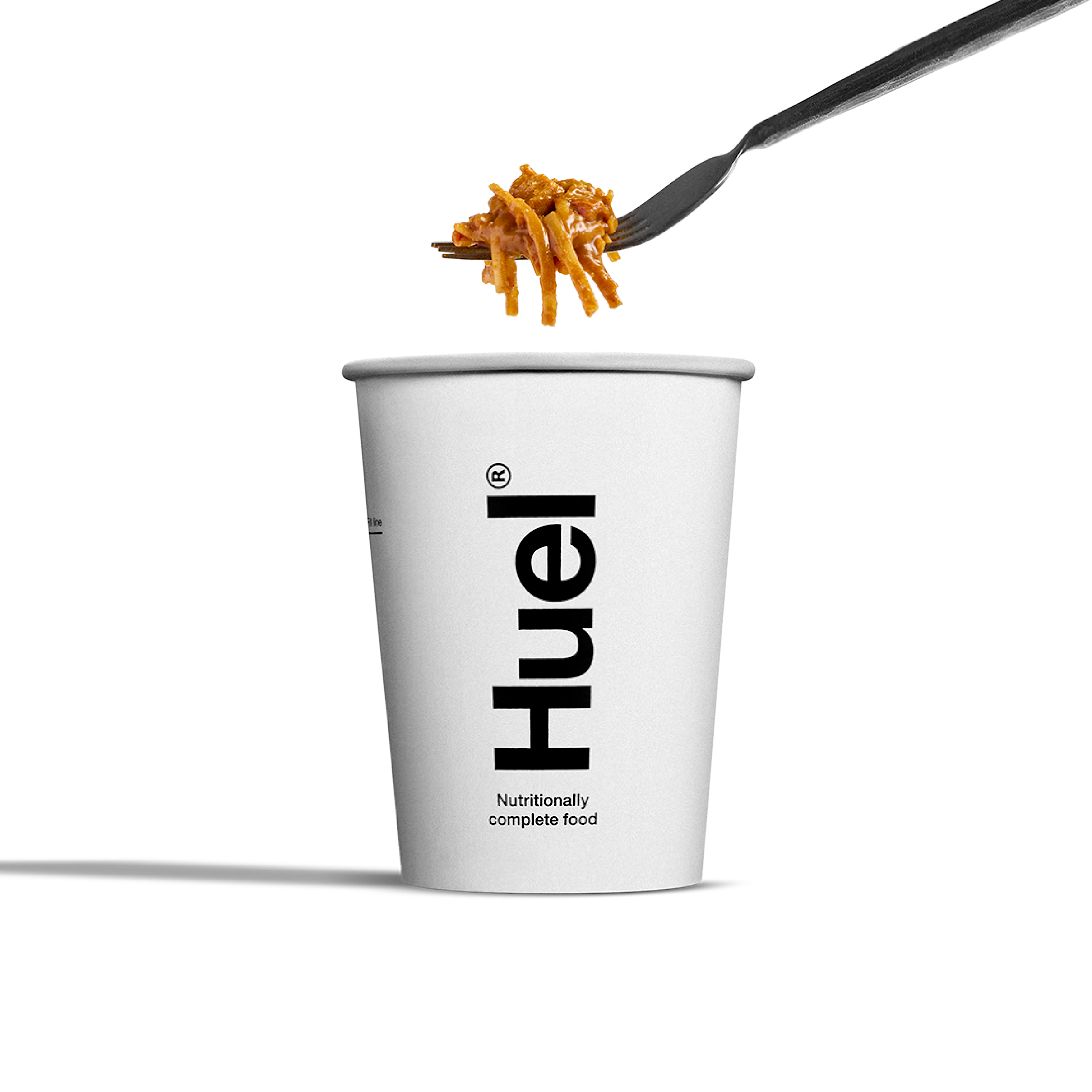

On-the-go instant meals
Up to 25g protein
400 kcal per pot


Complete protein bar
Up to 15g protein
Up to 210 kcal per bar


Sparkling supergreens drink
42 vitamins, minerals & nutrients
25 kcal per can


