Eating healthy on a budget is totally possible with a bit of planning. This guide provides tons of practical ideas and tips for doing so.
In the last few years, the price of food has risen dramatically in many countries around the world. For example, in the UK, food prices have risen by almost 40% since 2020. As a result, 55% of people told a recent government survey they’re “highly concerned” by the issue.
And if you’re trying to follow a healthy diet, these costs are especially challenging. In 2022, researchers at the University of Oxford crunched the numbers to work out the daily price of a normal diet vs. a healthy diet. When they did the study, the daily cost of regular eating was £6.82 per person, whereas following a healthy diet cost £7.48.
All the same, you definitely can eat healthy on a budget. In this guide, we’ll look at:
- Why eating healthy can be more expensive
- How to plan to save money
- Know the cheaper food alternatives
- Smart shopping tips to cut spending
- Ways to cook that cost less
- How Huel can be part of your plan
Why is healthy eating on a budget so hard?
Healthy eating is about following a balanced diet, which means your body gets all the nutrients it needs to function optimally — but without consuming more than you need. In the UK, the government’s Eatwell Guide provides a template for how to eat healthily, based on the best scientific evidence available.
Essentially, eating healthily is about:
- Consuming the right proportions of food from all five food groups (fruit & veg, protein, carbohydrates, dairy, and fat)
- Consuming foods that provide all the minerals and vitamins you need (micronutrients)
- Staying hydrated
Unfortunately, eating healthy on a budget can be harder than following less wholesome habits.
Unhealthy foods (containing lots of sugar, salt, and fat) are often mass-produced, cheap, and come in attractive packaging. They’re also often easier to prepare - microwave meals give you a quick dinner, but might not be very nutritious. The layout of supermarkets is designed to tempt you to spend more, too.
Fortunately, with a bit of planning and preparation, eating healthy on a budget is totally possible.
Learn more: How to make your diet healthier
Know how to eat healthy on a budget
We’ve broken down our healthy eating plan on a budget into the following four topics:
- Preparing in advance
- Knowing the cheaper alternatives
- Smart shopping
- Cooking tips on a budget
1. Preparing in advance
This is, arguably, the most important step. One of the main reasons people spend more than they planned when shopping is that they head to the supermarket without a shopping list and pick up tempting items that cost more.
- Check what you already have: Before you do anything, check what you have in your fridge, freezer, and store cupboards. This saves you from buying food you’ve already bought in the past (tinned tomatoes, beans, cheese, sauces, and frozen peas are classic examples of things people buy that they often already have). It also means you can base your meal plans around food that you currently have in.
- Weekly meal planning: Decide on which meals you’re going to have for the week ahead. Meal planning means you’ll only buy ingredients for those specific meals and always have enough. It also reduces the chance of you not having any food in, and therefore being tempted to get a (pricey) takeaway.
Weekly meal planning is harder if you work unpredictable hours - but stocking up on long-life and tinned goods means you can still eat nutritious food when you’re at home.
- Make a shopping list: If you’re eating healthy on a budget, grocery lists are a must. Writing out a shopping list means you’ll only buy what you need. This reduces the chance of making impulse purchases that often cost more.
- Know what’s in season: Buying fruit or veg in season is usually cheaper, since there’s more of it at the time of harvest. Not sure what’s in season right now? The National Trust has a handy month-by-month list for the UK. Try planning your meals around seasonal ingredients.
- Be smart with coupons: Supermarket coupons can be a good way of saving money at the till. But be savvy - sometimes the things on offer aren’t necessarily the cheapest version of the item in store (and coupons often promote less healthy foods). Only use coupons if the items are already on your shopping list — otherwise, you’re just spending more money than you otherwise would.
Suggested: A plant-powered meal plan for one week
2. Know what alternatives are cheaper
You can often eat healthy on a budget by swapping out expensive products with cheaper alternatives that are just as delicious and nutritious.
- Reduce meat consumption: Meat is often the most expensive item in a shopping basket. By cutting back on meat or replacing it altogether, you’ll notice a significant drop in the final price of your shopping. Plant-based protein from lentils, beans, tofu or grains such as quinoa can help you meet most of your protein needs.
- Dried, tinned, and frozen: Whole foods that are dried, tinned, or frozen are practically always cheaper, last longer, and are just as nutritious as fresh alternatives.
- Buy a lunch box: Buy a durable lunch box and make your meals at home. If you work in an office with a microwave, you can heat up leftovers from last night’s supper for free. Homemade sandwiches are also way cheaper than shop or cafe versions.
- Buy own brand: Most supermarkets have budget, own-brand options that taste just as good as the fancier stuff, and are equally nutritious.
- Buy in bulk: It often works out much cheaper to buy in bulk. Some staples, such as rice, pasta, and oats, for instance, are far less costly when you buy large bags. The upfront cost might be more, but they can last you several months and are much cheaper in the long run.
- Avoid convenience stores: If you’re trying to eat healthy on a budget, it’s usually best to avoid convenience stores or smaller local branches of big supermarket chains. They tend to stock more expensive items, and there’s less choice of cheaper alternatives (such as frozen or bulk food). Head to the big shops instead.
- Visit budget supermarkets: Budget supermarkets are often (but not always) cheaper. They might be less attractive inside, but if you’re buying whole foods, there really won’t be much difference in terms of quality between these stores and other chains.
- Try farmer’s markets or farm stores: If you live near a farm store or there’s a local farmer’s market near you, they can be cheaper than supermarkets (since you’ve cut out the middleman). But be savvy - sometimes prices at farmers’ markets can actually be vastly more inflated than at supermarkets.
- Avoid breakfast cereals: Boxes of cereal are often extremely expensive (and sugary) when compared to other kinds of breakfast made with whole foods. Try replacing them with porridge, overnight oats, toast with peanut butter and a sliced banana, or other breakfasts you make yourself.
3. Smarter shopping for eating healthy on a budget
Everyone’s done it. Paid a visit to the supermarket, was tempted by all the delicious products, and spent more than they planned.
Here are some tips for managing your spending at the supermarket itself.
- Don’t shop when hungry: Tons of research have shown that people tend to spend more money when they’re hungry. For example, a recent study in the US found that hungry people spend $26 more at the grocery store than people who are well fed. Head to the supermarket after lunch or breakfast, or have a healthy snack before walking through those sliding doors.
- Check price by weight: In the UK, all major supermarkets are legally obliged to show the price of products by weight. This helps you quickly work out which products are best value.
For example, a large bag of fancy pasta might be priced at £2.50 (at £6.00/kg), whereas an own-brand bag might be going for £4.50 (at £1.50/kg). So, while the ticket price of the fancier spaghetti is lower, you’d actually get far more pasta if you bought the own-brand alternative.
- Shop when you’re not rushed: If you visit the supermarket when you’re short on time, you’ll have less time to search for the cheaper alternative. That means you’ll grab whatever you see first - and accidentally spend more.
- Look up and down: Supermarkets usually place the most expensive products in the most attractive packaging at eye level, so you’re more likely to pick them up. Cheaper, but equally healthy alternatives can often be found on the top and bottom shelves.
- Look for deals (but always check value): Supermarkets often put promotions at the end of aisles, and these can be a bargain. However, it’s always worth walking down the aisle and just checking if there isn’t an alternative product that’s less costly than the promo.
- Check the discounted section: Supermarkets often have a discounted section where they sell food with superficial damage (e.g., slightly squashed packaging or dented cardboard), but which are still perfectly safe to eat. Many supermarkets discount fresh food that’s approaching its sell-by date towards the end of the day too.
4. Cooking tips for healthy eating on a budget
The way you prepare, cook, and store food can also save money and reduce waste. The following cooking and food prep tips can help.
- Cooking with whole foods is easier than you think: It is often much easier than people think to cook up healthy meals with whole foods that are cheap and tasty. From pasta sauces to baked potatoes to curries, cooking popular foods from scratch often only requires a few ingredients and free recipes from the internet. If no one’s ever taught you how to cook from scratch, it can feel intimidating. But give it a try - you’ll be amazed at how easy most dishes are to make yourself.
- Batch cook: Batch cooking is when you simply cook more than you’ll need for tonight’s meal. You then freeze or refrigerate extra portions. If you batch cook, you can buy ingredients in bulk, which tends to make it cheaper.
- Cook and clean efficiently: Lots of cooking hacks can save energy when cooking, thereby reducing your overall bills. Use the right-sized pan for the hob you’re cooking on, put a lid on boiling water to speed up cooking, soak pans with hard-to-clean burnt bits (rather than scrubbing for ages in hot water), and so on.
- Weigh out staples: People often cook far too much of staples such as pasta or rice, and end up throwing lots away. It kind of depends on the meal you’re making, but you’ll typically need about 90 g of pasta or 50 g of rice per serving with most dishes. By weighing it out first, you’ll only cook what you need.
- Practically anything can be made into soup: From leftover roast vegetables, to cauliflower leaves, carrot tops, or even potato peelings, practically anything can be turned into a healthy soup and reheated for tomorrow’s lunch. Simply saute some onions and garlic, add your leftovers/offcuts and some stock, then blend it up.
- Understand use-by and best-before dates: Many foods will have a ‘use by’ or a ‘best before’ date on the packaging, and it’s good to know what these mean.
The ‘use by’ date is mainly found on fresh food, and you should respect it - the product could be dangerous to eat after that date. But ‘best before’ dates (on packaged or tinned food) are generally more flexible. The food might gradually lose some of its nutritional value and not taste as good, but it will typically still be perfectly fine to eat for quite some time after the ‘best before’ date. Obviously, you should use your own judgement here.
Dig deeper: 13 hacks to reduce your kitchen food waste
Eating healthy on a budget with Huel
At Huel, our mission is: “To make nutritionally complete, convenient, affordable food, with minimal impact on animals and the environment”.
So, a big part of our ethos is helping people eat healthy on a budget. All our meals are nutritionally complete (and approved by qualified experts), which means they contain all the macronutrients and micronutrients you need to thrive.
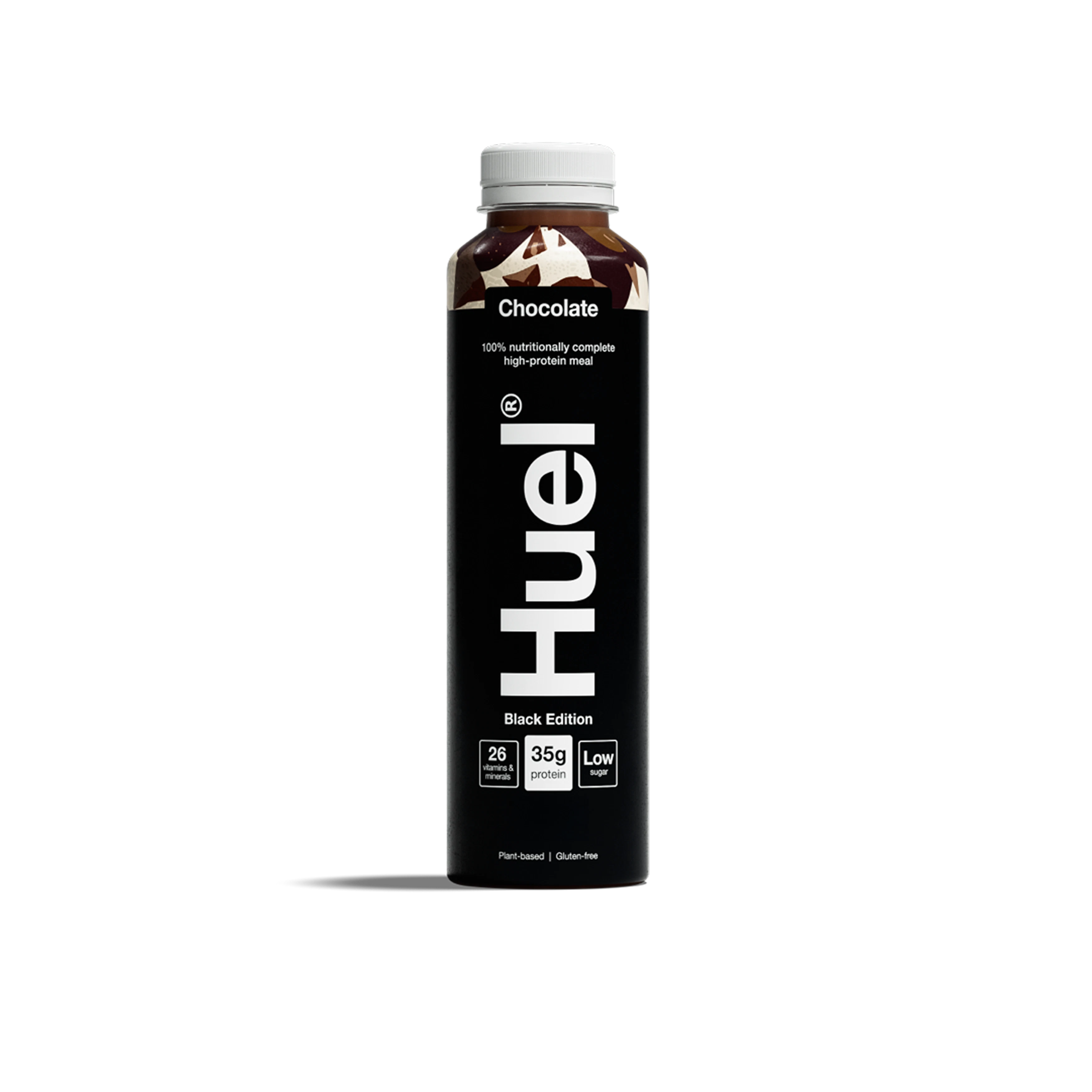
But they’re also very affordable. Essential Powder, which is our lowest cost meal, works out at just £1.09 per serving. Even our most premium product, Huel Black Edition, works out at just £1.99 per meal.
As the Oxford University study we mentioned above pointed out, in 2022, eating a healthy diet worked out at £7.48 a day on average. Eating Huel would be far cheaper, while still providing all the nutrition you need. What’s more, since you don’t need to use any gas or electricity when preparing our meals, they don’t add to your energy bills either.
Now, we don’t by any means advocate for replacing all your meals with Huel. Generally, we believe it is best to cook for yourself with whole foods as much as possible.
However, Huel can definitely be an option if you’re looking to eat healthy on a budget. Whether you just want to use it as an affordable backup when you don’t feel like cooking or as a replacement for your weekday breakfast, it’s easy to make and can flex to your needs.
Eating healthy on a budget made easier
We believe that anyone can eat healthily on a budget. While it is true that cheaper food options are often less healthy, this doesn’t always have to be the case.
With a bit of planning - and some changes to your shopping and cooking habits — you’ll be amazed by how much money you can save, while still powering your body with the nutrition it needs.
Frequently asked questions about healthy eating on a budget
How do you eat healthy on a budget?
To eat healthy on a budget, the first step is to plan your meals. Find recipes for breakfast, lunch and dinner that use a range of whole foods and make sure the meals you plan include all five food groups. Then, use these recipes to make a shopping list.
Visit budget supermarkets and stick to your shopping list while filling your basket. Keep an eye out for promotions, but also always check the value of products by weight to make sure you’re getting the best deal.
When it comes to cooking, we’d recommend batch cooking since this often works out cheaper per portion (freeze leftover portions in tubs). You should also weigh out ingredients to make sure you don’t prepare more than you actually need.
Can you provide an eating healthy on a budget grocery list?
Obviously, it depends on what you actually want to eat, but the following list contains a range of whole foods that are usually cheap and which will mean you can still get a varied and balanced diet.
Carbohydrates:
- Large bag of whole wheat penne pasta
- Large bag of brown rice
- Loose baking potatoes x 2
- Loaf of supermarket own wholemeal bread (get sliced so you can freeze it and defrost individual pieces when you need)
Protein:
- Tins of beans in water x 4
- Large bag of dried red lentils
- Tins of chickpeas in water x 4
- Tins of sardines/pilchards/mackerel in low salt sauce x 4
- Bag of frozen chicken thighs/drumsticks or turkey mince
- 12 pack of small/medium eggs
Fruit and veg:
- Onions, loose x 4
- Garlic cloves, loose x 1
- Seasonal leafy greens (cabbage/kale/spinach, brussels sprouts, etc.) x 1
- Seasonal root veg, loose (carrots, parsnips, beetroot, etc.) x 4
- Locally grown seasonal fruit (berries, apples, pears, etc.) x 4 or 1 punnet
- Tinned fruit in water x 2
- Bag frozen peas
- Bag frozen sweetcorn
- Multipack tinned tomatoes
Dairy:
- Store-brand cheddar cheese
- Long life dairy milk cartons x 4 (or buy fresh then freeze)
- Store-brand yoghurt
Fats:
- Unsalted butter
- Rapeseed oil (or olive oil if on offer)
How much does Huel cost per meal?
It depends on the specific meal you buy. Prices can go up and down, but Huel Essential — our cheapest, nutritionally complete meal — works out at just £1.09 per serving, at the time of writing.
Words by Len Williams