.png?auto=format&compress=true&w=3840)
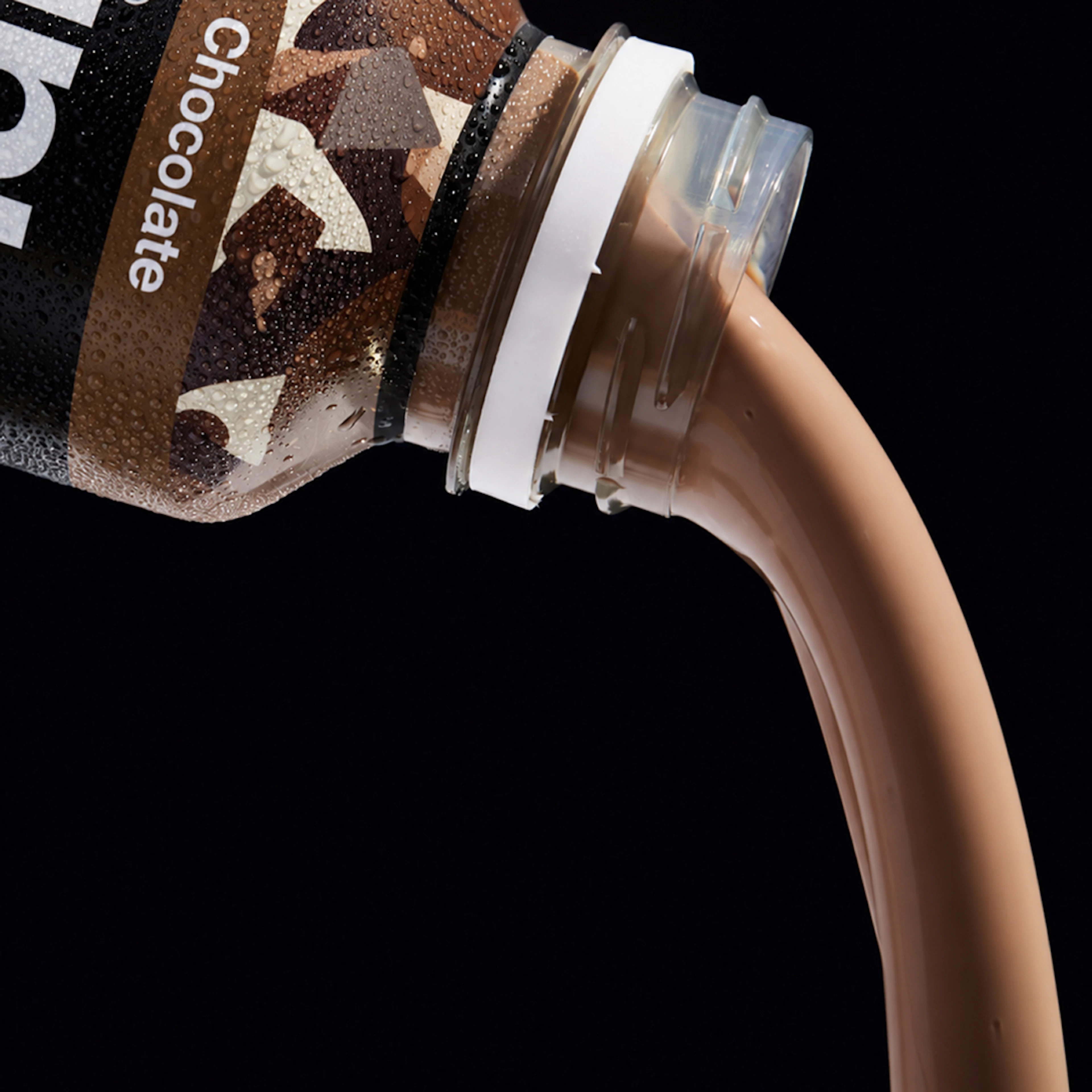
Black Edition Ready-to-drink
High-protein meal shakes
35g protein
400 kcal per bottle

Building a healthy daily eating routine can be tough. But it is totally doable. This guide, put together with input from Huel’s nutritionists, looks at some of the ways to do it.
Most of us know we should be eating more healthily. But the reality is that changing your habits and introducing a healthier new routine is far from easy.
Part of the problem is the way information about healthy food choices is presented. In the UK, public health campaigns focus on things like eating five fruit and veg a day, or the ‘traffic light system’ on packaged goods. These are undoubtedly good things, but the evidence suggests these approaches aren’t terribly effective. And despite these efforts, people may be eating even less well than in the past.
So, if you want to change your eating habits and create healthy daily eating routines, where should you start? We spoke with Huel’s in-house nutritionists for ideas. Some of the tips are simple, others unusual, and - surprisingly - a lot of the advice isn’t actually about food at all.
Note: There is a vast amount of information out there about what constitutes healthy eating, so we’re not going to repeat that in this article. Rather, we’re going to look at ways to change your habits so your routine itself becomes healthier
Before we look at ways to build a healthy daily eating routine, let’s quickly define what we’re actually talking about.
Jessica Stansfield, an AfN-registered nutritionist Nutrition Manager at Huel says: “Healthy eating is simply about following a balanced diet. So, what’s a balanced diet? It’s one that contains all five food groups (carbs, protein, fats, dairy and fruit and veg) in recommended proportions. It should also be varied, so you get a wide range of the micronutrients - that is, vitamins and minerals - that your body needs to thrive”.
If you’re unsure about what a balanced diet is, the NHS EatWell guide is a good place to start.
It’s also important that we recognise that there are quite a lot of obstacles to eating healthily.
Jessica points out that “few people actually want to eat stuff that’s bad for them - and many people know that a poor diet increases their risk of various diseases. But our modern society is set up in a way that makes the unhealthy choice the easy choice”.
Obstacles to healthy eating include:

There isn’t a single path towards building a healthy eating routine that works for everyone. But the following ideas - suggested by Huel’s nutritionists - might just help you on the way.
One of the most effective ways of changing your daily eating routine is to go on your own journey of learning about nutrition and its effects on the body. That’s a key finding from an Australian study that looked into how people made sustainable, long term dietary improvements.
Essentially, people who achieved long term changes spent a fair amount of time reading articles and books, listening to podcasts or watching documentaries to learn about how their food is produced, how it affects the body, and how to eat healthier alternatives.
No amount of public health campaigns or - sad to say - recommendations from nutritionists will change your routines. In the end, it’s got to come from you. “If you’re open to learning about the effects of food on the body, there is tons of information out there” Jessica points out (including on Huel’s blog!). But that information will only make any difference to your diet if the learning is led by you.
Before you start changing your daily eating routine, it’s helpful to know what your current diet actually looks like. This might sound strange - after all, you already know what you eat.
But the idea is to get a bit more rigorous about this. Many of us eat more unhealthy food than we realise (or admit to ourselves). To track what you’re currently eating, keep a food diary where you simply make a quick note of everything you consume each day on a typical week.
You want to note down:
This isn’t about calorie counting. Rather, it’s about trying to figure out what your real eating habits are. Without knowing this, it’s much harder to make the change.
“When you get people to do food diaries, they are often surprised by their own habits” notes Jessica. At the end of a week, you might discover you’re having a lot more snacks, or drinking many more sugary drinks than you realise.
Once you’ve identified the unhealthy habits you have, you can find ways to cut these out, or replace them with healthy alternatives.
As mentioned above, the world around us encourages unhealthy choices when it comes to food. So, a key way to implement a healthy daily eating routine is to change the environment as much as you can (within reason).
Here are some suggestions:
“Cooking your meals at home, from scratch, using a variety of whole foods, is essential for healthy daily eating” says Jessica.
By preparing your own food, you know exactly what ingredients have gone into it, and how much.
There are lots of ways to make your home cooking healthy:
The ways that many of us eat nowadays can also encourage unhealthy behaviours. Changing your patterns of behaviour around food can make a big difference.

No one is claiming that changing your habits and building a healthy daily eating routine is easy. Nonetheless, it is most definitely possible.
By learning more about your food, prioritising home cooking, and making changes to how you eat, you’ll have the motive and the means to change your routines.
Huel powders and hot & savoury meals can also play a part in your new healthy eating routine. All our meals are nutritionally complete - meaning they contain all the macro and micronutrients your body needs. Whether you use Huel for a quick breakfast, as a snack, or to replace some weekday lunches or dinners, you can be confident the food you’re eating aligns with your wider healthy eating goals. Try it out today.
We answer your common queries about healthy daily eating.
It can be expensive to eat healthily every day, since healthy ingredients and food items often cost more than less healthy alternatives. For example, a bag of nutrient rich roasted nut and corn snacks at a local supermarket in the UK might cost around £1.50, whereas a bag of fried potato crisps might be closer to £0.80.
However, healthy food isn’t always more expensive, and there are lots of ways to eat healthily without breaking the bank. Seasonal veg and fruit are often very cheap indeed, while tinned and dried beans, lentils and pulses are also inexpensive. You can often find deals on healthy foods online. And some foods like Huel Powder are also very affordable - costing as little as £1.59 for a filling, tasty and nutritionally complete meal.
There are many reasons that people struggle to eat healthily. Too often, the emphasis is put on individuals’ choices - the implication being that people who eat unhealthily are completely responsible. While there is certainly an element of personal choice that comes into unhealthy eating, it’s a bit more complicated than that. Factors such as your level of education about food, your psychological state, your personal finances, the environment you live in and the way you were raised, your exposure to advertising, where you live, how much free time you have and tons of other things come into it and make healthy eating harder or easier.
We’d recommend starting with a look at what you’re currently eating - and why. What unhealthy foods do you eat, and when do you eat them? You’ll also benefit from doing some research about what ‘counts’ as healthy eating and learning about the effects of different kinds of food on your health and wellbeing.
You can then create a practical plan for making your routine healthier. Techniques like batch cooking meals with whole foods or learning to cook some new dishes are also valuable. You might also want to change your environment to reduce the temptation to eat unhealthily. Try to eliminate things that will be tempting - such as keeping a bag of biscuits in the house for guests, if you know you’re likely to snack on them.